With countless suppliers claiming expertise in precision mold components, distinguishing reliable partners from the rest requires looking beyond glossy brochures and focusing on demonstrated capabilities. Reliability isn’t about flashy equipment or aggressive pricing—it’s about consistent execution that ensures components perform predictably in high-stakes injection molding environments. Many buyers focus on equipment and pricing, while overlooking process stability and engineering judgment. A reliable precision mold components manufacturer is defined by manufacturing discipline and engineering consistency—not by equipment lists or promises. Supplier reliability in precision mold components manufacturing is built on controlled processes and repeatable outcomes. As a senior tooling consultant who’s advised OEMs on supplier qualifications for over two decades, I’ve seen mismatched choices lead to production delays, increased scrap, and escalated costs. This article provides a rational framework to evaluate manufacturers based on technical merits, helping mold designers, purchasing managers, and engineering teams make informed decisions grounded in real-world performance.
Why Choosing the Right Mold Components Manufacturer Matters
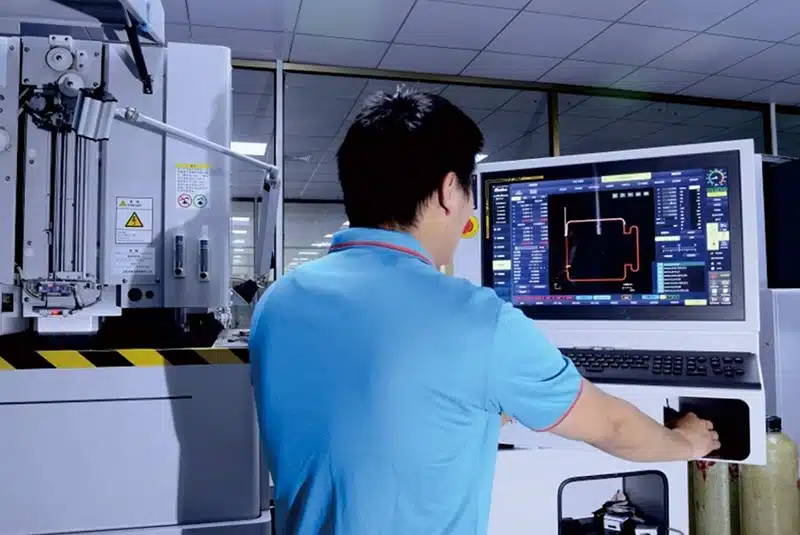
Choosing the right mold components manufacturer profoundly influences mold performance and overall lifecycle costs, as inconsistent suppliers can introduce variability that erodes efficiency over time. Subpar components might fit initially but degrade under thermal cycling, leading to defects like flash or warpage that spike rework expenses—I’ve consulted on automotive projects where a unreliable partner’s tolerances drifted, doubling maintenance outlays. The risks of inconsistent manufacturers are multifaceted: delayed deliveries disrupt production schedules, while quality lapses force emergency sourcing, inflating total costs by 20-30%.
Switching suppliers mid-project is particularly costly, often requiring re-validation of tooling and potential redesigns to accommodate variances in fits or materials. In high-volume operations, this choice isn’t transactional—it’s strategic, directly tying to yield stability and long-term competitiveness.
Manufacturing Capability Beyond Equipment Lists
Manufacturing capability in precision mold components extends far beyond listing advanced machines; it’s about how those tools are integrated into controlled processes that deliver repeatable results across runs. Owning a 5-axis CNC doesn’t guarantee precision if setups vary or fixturing lacks standardization—true reliability shows in process metrics like CpK values above 1.33 for critical dimensions. Integrated capability means seamless flow from CAD import to final verification, minimizing handoffs that introduce errors.
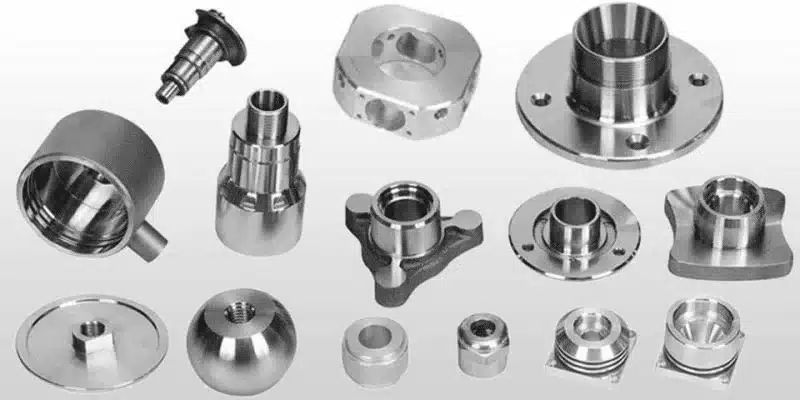
In my evaluations of Asian and European facilities, the differentiator is this holistic control, ensuring components like cores and sliders align without adjustments. When assessing custom parts manufacturing, look for evidence of system-level integration that supports consistent output, not just isolated machine specs.
CNC Machining Expertise as a Reliability Indicator
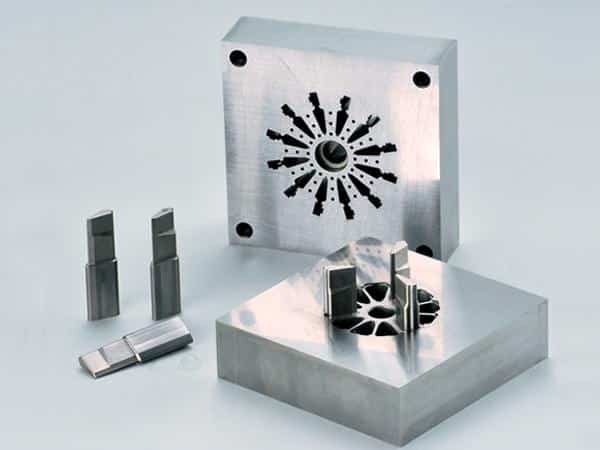
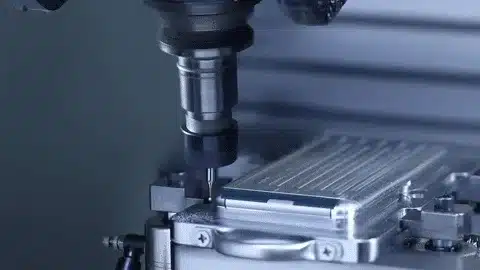
CNC machining expertise serves as a key reliability indicator for precision mold components manufacturers, as it reveals their ability to handle complex geometries with the repeatability needed for mold assembly. Competent shops optimize tool paths for materials like H13, maintaining tolerances through adaptive controls that counter deflection—poor execution here leads to inconsistent features that fail in multi-cavity setups. The focus should be on managing variables like thermal expansion during long runs, ensuring parts remain interchangeable without rework.
Manufacturers who excel demonstrate this through case studies of intricate sliders or inserts, where multi-axis precision supports stable performance. For insights into this foundation, exploring CNC machining for precision mold components highlights how expertise translates to dependable delivery.
Tolerance Control and Engineering Judgment
Tolerance control in precision mold components requires sound engineering judgment, as pushing all specs to extremes inflates costs without functional gains—reliable manufacturers advise on what’s achievable and necessary. Not every feature demands ±0.002 mm; non-critical surfaces can tolerate ±0.01 mm to optimize lead times, but overlooking this leads to over-engineering that strains budgets. A capable partner evaluates drawings for intent, suggesting alternatives like geometric dimensioning to enhance fit without excess precision.
From sourcing audits, I’ve noted that true reliability shines in this advisory role, preventing issues like assembly mismatches. Delving into precision mold component tolerances provides a benchmark for assessing a manufacturer’s grasp on practical limits.
Material Knowledge and Performance Responsibility
Material knowledge defines a reliable manufacturer’s performance responsibility, as selecting alloys like P20 or 420 stainless isn’t just about meeting specs but understanding how they behave under heat treatment and cycling. Following client directives is baseline; excelling means anticipating long-term stability—such as recommending pre-hardened steels to minimize warping. The difference lies in ownership: a dependable partner tests for compatibility, ensuring components resist corrosion or fatigue in humid molding environments.
In my consulting, suppliers who differentiate specs from performance—advising on heat-treat cycles to balance hardness and toughness—build lasting trust. Reviewing mold component materials aids in gauging this depth of expertise.
Quality Control as Proof of Reliability
Quality control acts as tangible proof of a manufacturer’s reliability, extending beyond spot inspections to encompass verification systems that track variability and drive corrections. Inspection alone falls short if it lacks statistical backing—reliable shops use gage R&R and process capability studies to confirm repeatability, not just conformity. Corrective actions reveal maturity: how they handle non-conformances, like recalibrating for drift, separates consistent performers from reactive ones.
From qualifying vendors for medical tooling, I’ve prioritized those with layered QC—dimensional, surface, and functional tests—for reduced risks. Examining quality control in precision mold components underscores this as a cornerstone of dependability.
Reliability Proven Through Injection Molding Results
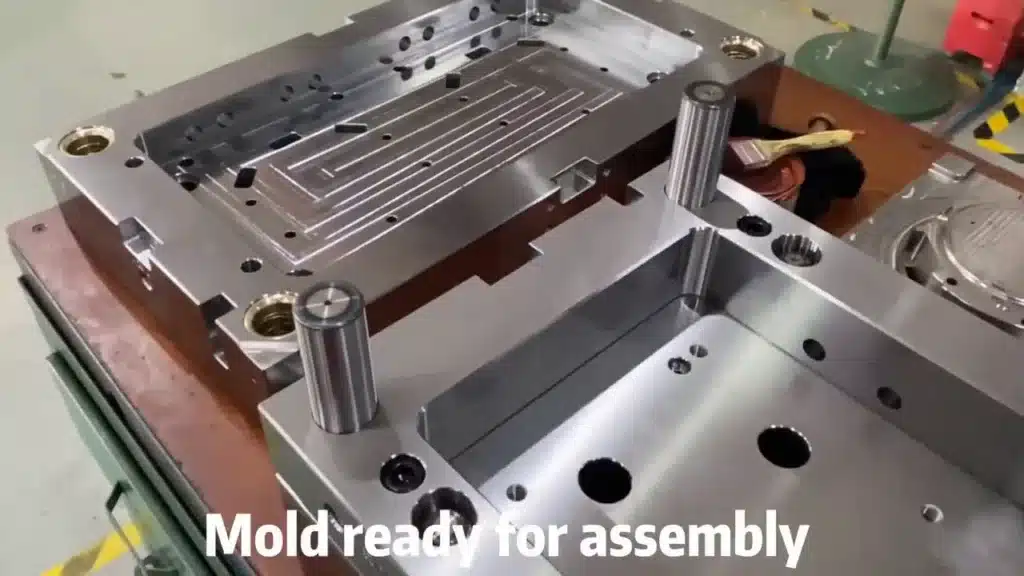
Reliability in precision mold components is ultimately proven through injection molding results, where consistent components yield stable cycles and minimal defects over extended runs. Tooling that holds alignments prevents issues like uneven fills, but unreliable suppliers introduce variability that manifests as warpage or flash after 50,000 shots. The relationship is clear: stable mold components support uniform cooling and ejection, directly impacting yields.
Evaluate manufacturers by historical performance in similar applications, not isolated samples. Connecting this to injection molding quality emphasizes outcome-based assessment.
Common Mistakes Buyers Make When Selecting Manufacturers
A frequent mistake is equating lowest price to best value, ignoring how cut-rate suppliers often compromise on materials or QC, leading to higher lifecycle costs through failures. Another: assuming certifications guarantee consistency, when they outline frameworks but don’t enforce daily execution—I’ve seen certified operations deliver variable batches due to lax monitoring. Finally, one successful order doesn’t ensure long-term reliability; test with escalating complexities to reveal true capability.
These errors stem from short-term focus; sustainable choices prioritize evidence over allure.
How to Build Long-Term Partnerships With Mold Component Manufacturers
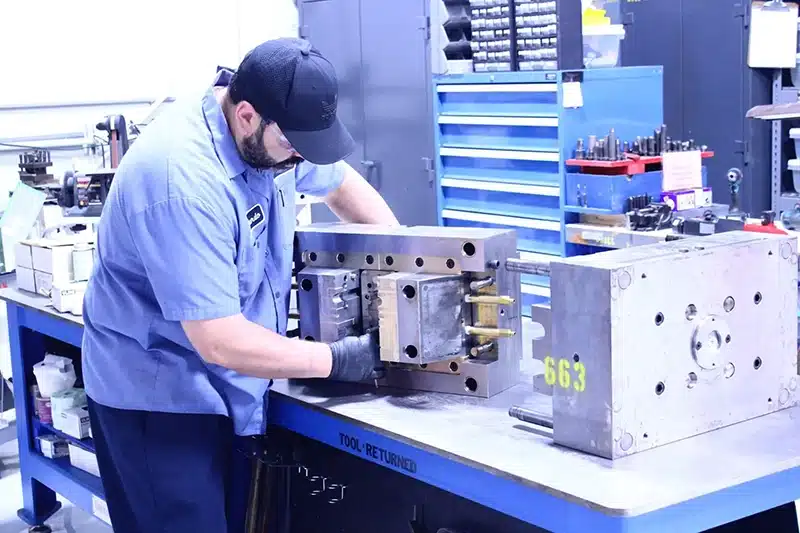
Building long-term partnerships with mold component manufacturers hinges on establishing communication and feedback loops that foster mutual understanding of requirements and challenges. Share detailed specs early, including functional contexts like resin types, to enable tailored advice on tolerances or materials. A shared improvement mindset—regular reviews of performance data to refine processes—turns suppliers into collaborators, reducing iterations over time.
This approach, from partnerships I’ve facilitated, emphasizes reciprocity: provide clear timelines, and expect transparency on capabilities for enduring, efficient relationships.
Conclusion — Reliability Is Demonstrated, Not Claimed
In conclusion, choosing a reliable precision mold components manufacturer demands scrutinizing how quality, process control, and engineering judgment are consistently demonstrated through verifiable outcomes. Prioritizing long-term consistency over short-term cost ensures stable tooling that minimizes risks and supports efficient production. Choosing a reliable precision mold components manufacturer requires evaluating how quality, process control, and engineering judgment are consistently demonstrated over time—it’s the foundation for sustainable success.