Another key decision that is most dangerous in any injection molding project: Mold supplier selection would have a direct impact on the value of initial tooling and its subsequent efficiency in terms of production. Quite a number of tooling issues such as part dimensions, premature wear of the tool, frequent downtime, etc. do not manifest themselves until the tool has been shipped and installed, usually owing to poor decisions made during the sourcing process. The problem of mold often causes many buyers to think that the technical complexity of a product is a cause of the problem and in most cases it is due to ineffective selection of the supplier.
The downstream risks caused by selecting the wrong supplier in terms of making molds cannot be solved simply by negotiation of prices or even in paperwork. Majority of the failures in mold sourcing are not due to bad design of the mould, but are due to preventable errors which occur during the selection of the supplier of the mold making.
Treating Mold Making as a One-Time Purchase

The main mistake that puts projects at undue risk is to take mold making as a transaction that is basic, one-time only. This attitude in my advisory positions has resulted in suppliers who perform and vanish on matters that go wrong.
Why Mold Making Is Often Mistakenly Treated as a Transactional Purchase
Customers often treat it as it is done with commodities where the specifications and quotes are considered and not the need over the long run. This is irrespective of the fact that molds need to be adjusted in trials and maintenance over their life.
How Lack of Long-Term Responsibility Increases Tooling Risk
A lack of a loyal supplier only exposes the buyer to the risk of dealing with problems such as ejection failures, cooling inconsistencies, etc, which increases the risks during the production process. This can be reduced by choosing partners custom mold design and manufacturing services because accountability is assured past delivery.
Focusing on Price Instead of Supplier Capability
It is tempting to accept the best offer on the basis of lowest bid but this tends to back fire and will require a growing cost. As practice demonstrates, what gets selected by price does not follow the discipline required to give reliable results.
Why Lowest-Price Suppliers Often Lack Process Discipline
Low bidders can also save on corners during quality check, material verification or trained labor which results to the production of inconsistent molds which break down during high volume demand.
Hidden Costs Created by Rework, Delays, and Unstable Molds
Redo work will increase schedules by 2 times and unstable moulds will stop production- expenses way beyond original savings. This is a cliché in mold sourcing risks; one should look at the selection of the appropriate mold making supplier based on ability tests and not on quote only choosing the right mold making supplier through capability assessments rather than quotes alone.
Confusing a Supplier With a Long-Term Manufacturing Partner
Confusion between a simple supplier and a manufacturing partner establishes the wrong kinds of expectations such that the immediate delivery leads to the forefront of the long-term assistance. I have managed groups in the aftermath of this misunderstanding.
Difference Between a Transactional Supplier and a Manufacturing Partner
Individual orders are processed by suppliers, joint reviews and trial and iteration in collaborative DFM by partners and the shared ownership of outcomes.
Why Partnership Mindset Reduces Tooling Risk
A partner will preempt needs, meaning there will be less surprises such as material incompatibilities. The method is fundamental in the selection of suppliers of injection molding; knowledge of what constitutes an ideal custom custom mold manufacturing partner partner will assist in the focus on making a swap between transactions and trusted partnering.
Misunderstanding Responsibility Between Design and Manufacturing
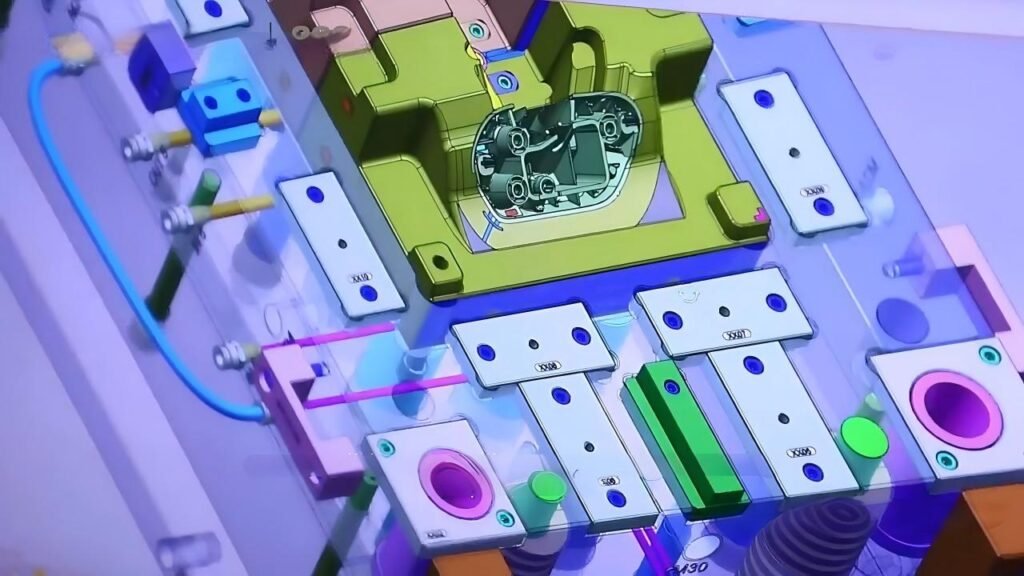
The lack of clarification of the responsibility between design and manufacturing phases results in some gaps that appear at the crucial stages. This is a mistake that is common in complicated projects that I have revised.
Why Separating Design From Manufacturing Creates Responsibility Gaps
Where design is outsourced independently, there are mismatches which include; impractical features which are only realized in the fabrication and thus, there is blame-shifting.
Typical Problems During Trials and Corrections
The trials expose such problems as the lack of proper fill balance which needs expensive repairs with no obvious proprietor. To prevent this in the evaluation of mold suppliers, the differences between injection mold manufacturer vs mold design company roles for better alignment.
Underestimating the Importance of Experience in Precision Mold Making
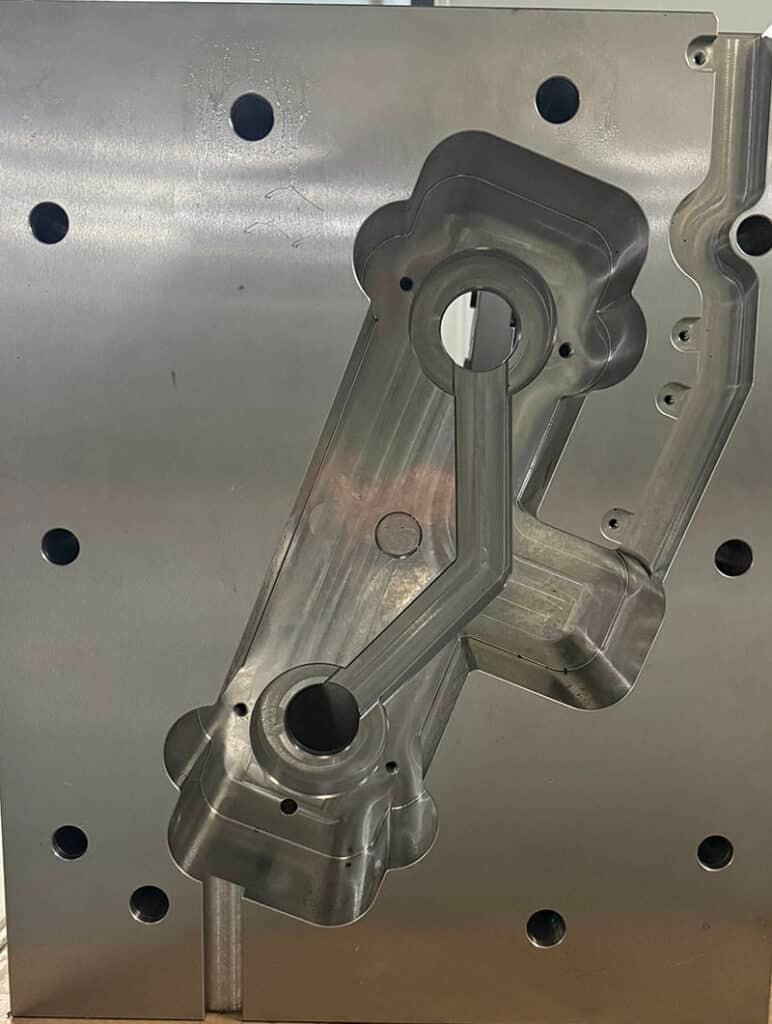
The diminishing of a supplier experience in favor of a modern equipment minimizes the aspect of judgment that helps to avert minor failures. Precision applications, which is the case with my sourcing consultations, have been identified to be differentiated by experience.
Why Experience Enables Early Risk Identification
Experienced suppliers identify possible problems such as thermal stresses during checks avoiding the problems that are not realized by the novices.
How Inexperienced Suppliers Rely on Trial-and-Error
This method adds ups and downs on the cost; the experienced one relies on the past project to achieve efficiency. To reduce the errors of the mold making suppliers experience in precision mold manufacturing is key to minimizing mold making supplier mistakes.
Ignoring the Real Cost Drivers Behind Mold Pricing
Ignoring the realities in mold pricing results in wrongful comparisons, and purchasers pursue illusory value. Practice demonstrates that the actual costs go way beyond the quote.
Difference Between Mold Price and Total Tooling Cost
The quote includes such fundamentals as steel and machining, but the entire expenses consist of trials, shipping and downtime, which are usually obscure until the future.
Why Buyers Often Misjudge Cost Structure
They concentrate on initial numbers without having to explore the content quality or warranty terms. By knowing injection mold cost drivers, injection mold cost drivers reveals these layers, helping avoid inflated long-term expenses.
| Cost Category | Visible at Quotation | Typically Hidden |
| Mold base & machining | Yes | — |
| Design changes | Sometimes | Often |
| Trial rework | Rarely | Frequently |
| Production downtime | No | Yes |
This table brings to light the fact that there are secret factors in the risks of sourcing the molds that may overtake without early action.
How OEMs Can Avoid These Supplier Selection Mistakes
OEMs may avoid such traps by taking a systematic, forward-thinking assessment method that places more emphasis on data rather than assumptions. This logical system has assisted numerous teams that I have been counseling.
Structuring Supplier Evaluation Rationally
Start by auditing projects and references of the past and evaluating how they match your complexity requirements.
Prioritizing Responsibility and Process Discipline
Demand explicit warranties and written procedures to be repeated.
Avoiding Short-Term Decision Bias
Go beyond quotes to such long-term data as client retention and defect rates.
| Evaluation Dimension | Key Question |
| Responsibility | Who owns tooling performance after delivery? |
| Experience | Has the supplier solved similar problems before? |
| Process control | Are standards repeatable and documented? |
The checklist is a helpful option to evaluate the mold suppliers in a detailed manner.
Conclusion — Most Mold Problems Start With the Wrong Supplier
Speaking about the numerous projects, it becomes obvious that errors in the evaluation of suppliers could be avoided mostly due to careful evaluation. Via the prioritization of responsibility, experience, and capability over price, buyers are able to achieve stable tooling relationships. Improper evaluation of the supplier is one of the most crucial decisions that can be made in any injection molding project as most of the mold making problems could be linked to the mistakes made during the early selection of suppliers. This concentration not only eliminates risks but helps in effective predictable production in the case of OEMs.