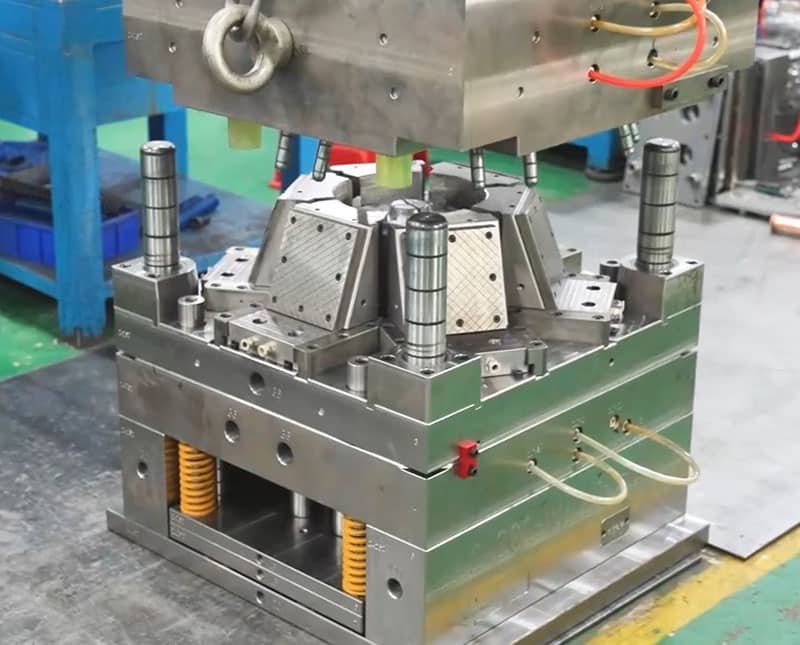
Not only the initial accuracy but also long-term workability under the real production conditions is important to precision mold making, which contrasts with the general mold manufacturing where such aspects as thermal expansion, wear, and alignment should be kept under control. Precision should be regarded as a product of a system, as a product of combined operations, and not an accidental single quality such as a fine machine or a thin sheet of paper. Most buyers understand precision mold making only as tighter tolerances, when in actual fact it is a measure of reliability of a mold throughout its lifespan of production.
Precision mold making is characterized by stability of lifecycle and control of the system rather than of separate machining or marketing testaments. Precision Mold making involves having controlled precision and stability in thousands -or millions- of production cycles. Over decades of tooling program planning I have discovered that real accuracy comes when all the factors are coordinated to support the precision mold manufacturing process, providing consistent output which directly affects the quality of parts, consistency and cost effectiveness in precision molding.
What Precision Mold Making Really Means
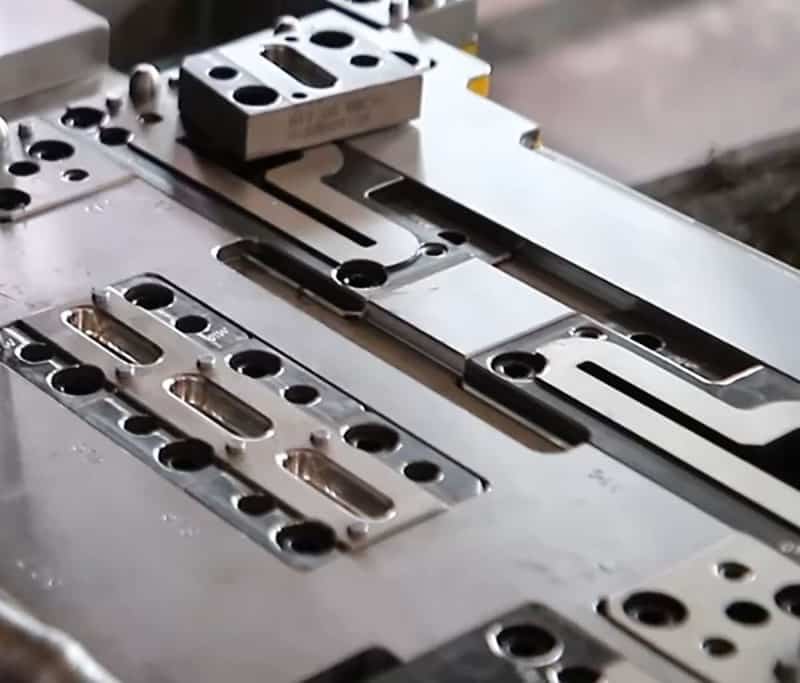
Precision in mold making is defined as the capacity to make consistent correct parts in longer production runs with minimal deviation that may be reduced by holistic control as opposed to spot fixes. This is more than machining precision, which may be concerned with the accuracy of one part of the fabrication, to tooling precision, which is concerned with the overall behavior of the mold in action.
Definition of Precision in Mold Making
Repeatability is the actual distinction: a mold can seem to meet small specs, but without injection mold design guidelines to ensure system level design, the fabrication will lag over time because of reasons such as material wastage or environmental changes. Practically, repeatability is more important than nominal accuracy since the production requires consistency among the cycles, not only in prototypes.
Machining vs. Tooling Precision
Why Repeatability Matters More
For those seeking reliable outcomes, exploring precision mold making services companies may shed some light on how the principles are implemented in precision molds of high quality.
Why Precision Is a System-Level Outcome, Not a Single Process
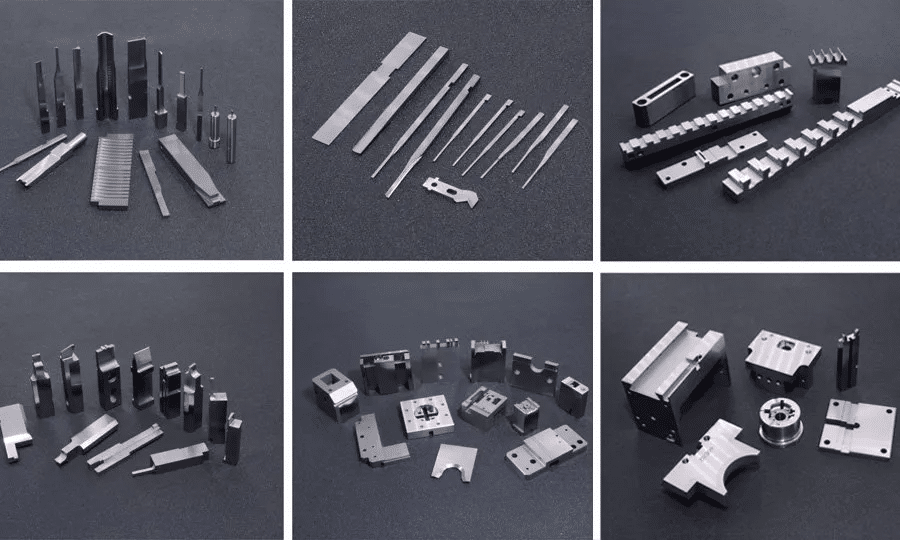
Precision cannot exist in isolation such as in the case of CNC machining, it needs to be coordinated throughout the working process to prevent the accumulation of errors. An example is that the most precise machining would not be valuable, in case assembly adds an incorrect positioning or checking ignores stack-ups.
Limitations of CNC Machining Alone
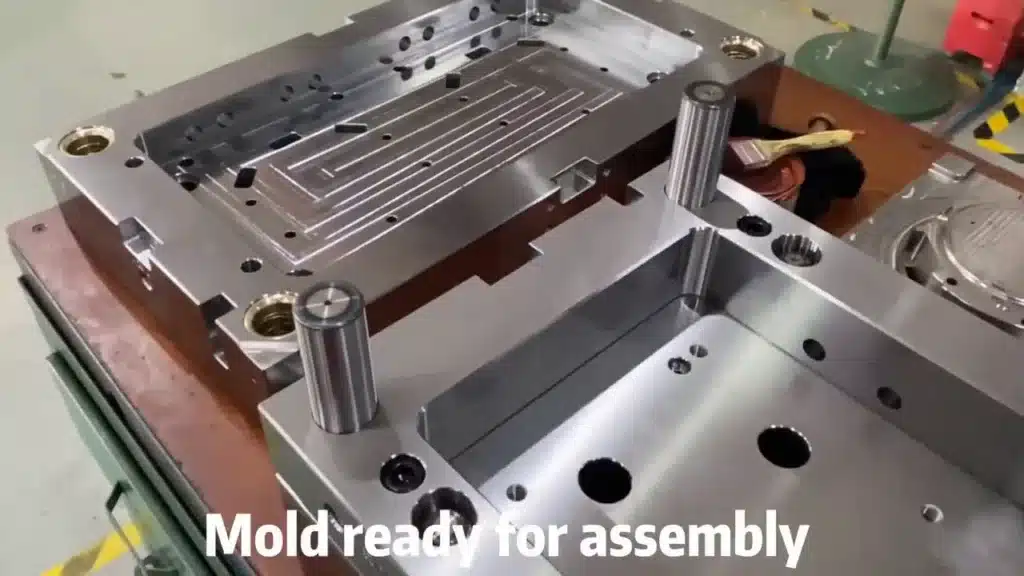
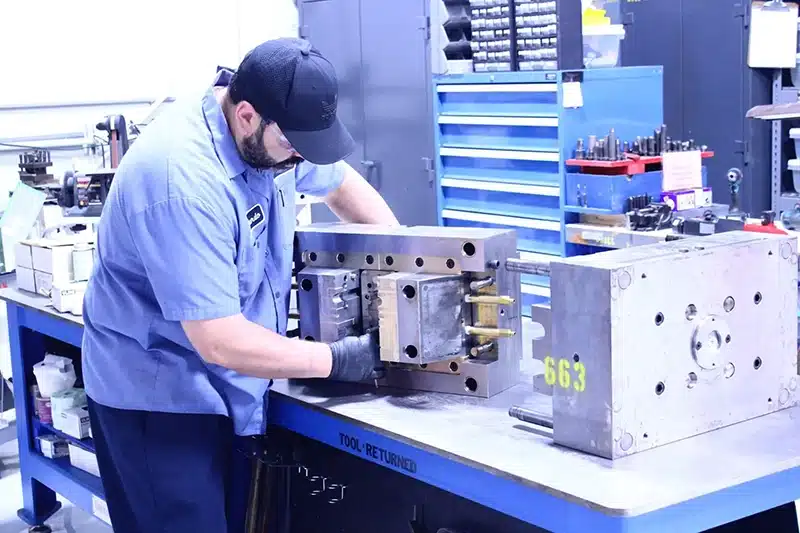
The connection of design, machining, assembly, and inspection is the foundation of real precision, which differentiates a dedicated injection mold manufacturer from design-only services. With experience with OEM projects, any connection can be neglected (even poor heat treatment) and the entire system will be compromised in the accuracy of manufacturing a mold.
Interactions in Design, Machining, Assembly, and Inspection
Tolerance Control as the Backbone of Precision Mold Making
The control of tolerance is the central element of precision mold making since it defines the degree of maintenance of shape during operating loads by the mold, differentiating between functional and nominal tolerances (that which the part requires to operate) and operational tolerances (that which is on the drawings). The variability of loose or uncontrolled tolerances, and stability of tight and realistic controls.
Functional vs. Nominal Tolerances
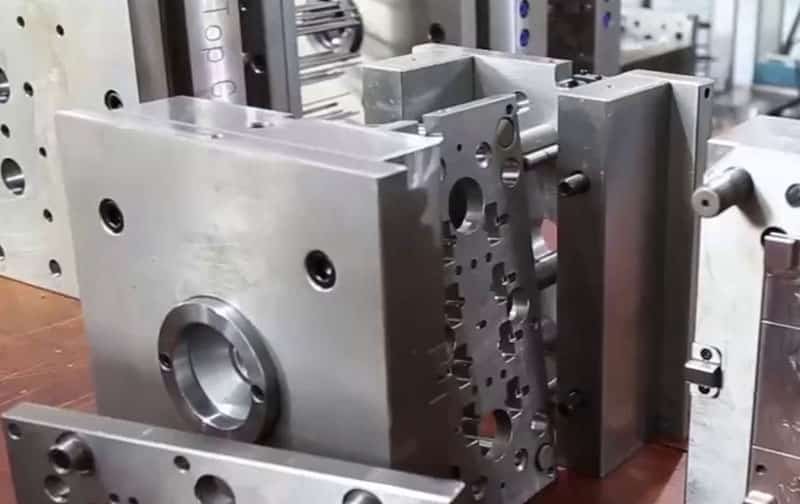
The real definition of tolerance stack-up is that when uncontrolled, stacks can lead to part failures—a common issue in precision molds that fail due to poor design assumptions—even with a component meeting specifications at an individual level. When it comes to precision tooling, this cannot be handled through simulations and reviews.
Tolerance Stack-Up and Real Precision
Effective precision mold tolerances can avoid such problems keeping performance in high demand applications. For more complex assemblies, tolerance planning in precision mold engineering helps teams think through cumulative dimensional errors before cutting steel.
| Tolerance Control Level | Mold Behavior | Production Outcome |
| Stable | Predictable | Consistent parts |
| Marginal | Variable | Increased inspection |
| Uncontrolled | Unstable | Scrap and downtime |
This table shows the relationship between control levels and the outcomes and these demands strict mold making tolerances.
How Precision Mold Making Is Achieved in Practice
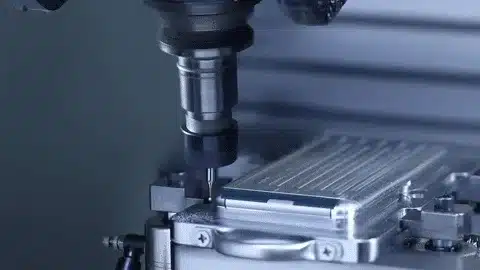
The achievement of precision mold making is achieved through a fusion of both sophisticated processes that all add to stability as a whole with high-precision CNC machining of core geometries and EDM of more complex features such as sharp corners or fine details. They are not on their own since they should be incorporated in controlled environments to prevent distortions.
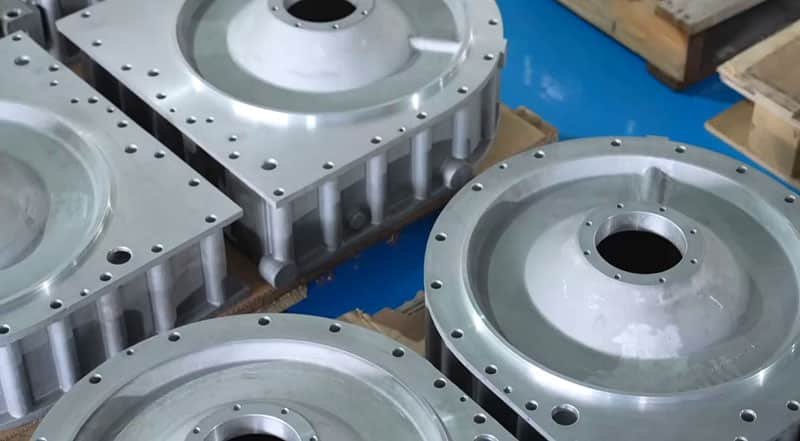
Role of CNC Machining and EDM
Secondary processes, e.g. polishing or coating are also very imperative because they need to be applied under stringent conditions to maintain original precision. According to observations made at the shop floor, lack of controls due to skipping, in this case, usually causes premature wear on high precision molds.
Importance of Controlled Secondary Processes
Techniques like CNC machining and EDM in precision mold making making provide examples of tools durable to production requirements.
Surface Finish Control and Its Role in Precision Performance
The surface finish control is crucial in precision mold making as it determines friction (and hence ejection), wear (and hence longevity) as well as release (and hence clean parts). Uneven finishing may result in sticking or cosmetic flaws, or wear the accuracy out.
Surface Effects on Friction, Wear, and Release
The connection between the consistency of the finish and that of the part is direct: smooth surfaces encourage the even flow and low variation so that the precise production of molds can be achieved.
Finish Consistency and Part Quality
Maintaining surface finish control in mold making making is a way of preventing these pitfalls.
Material Selection and Long-Term Precision Stability
The choice of material encourages long-term accuracy as it is decided whether the mold can resist wear and deformation, and the steels such as P20 may be applicable to general use, but H13 or stainless alloys may be more effective in abrasive or corrosive conditions. Inaccuracy is caused by poor decisions that cause thermal drift or surface degradation.
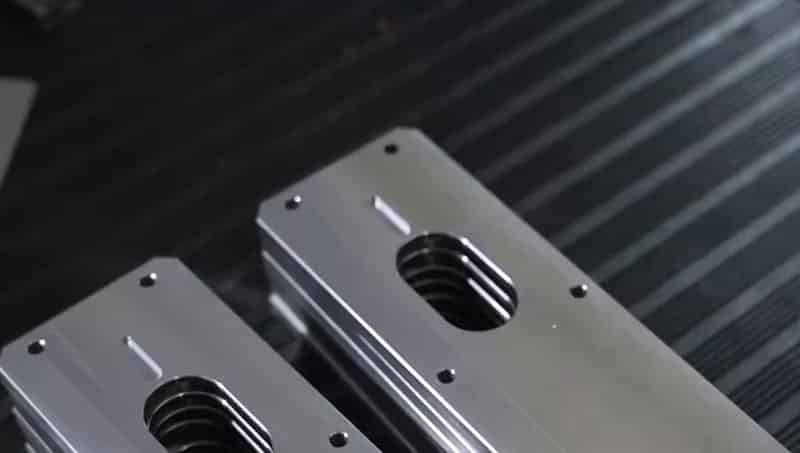
Mold Steel and Wear/Deformation
Precision is defined by material stability since it guarantees the mold that it maintains its cycle after cycle which many times is overlooked during early specification.
Material Stability in Long-Term Precision
Choosing the right mold steel selection for precision molds to be used in precision molds is critical towards long-lasting operation.
Why Precision Mold Making Matters for Part Consistency
Precision mold making is also important in consistency of parts since the behavior of the mold is consistent and this is transferred to the similarity in the dimensions, appearances and functions of the parts produced in different batches. Without it, optimized processes will provide variable results because of tool instabilities.
Mold Precision to Consistent Parts
The connection between the mold behavior and the process stability cannot be broken: the accurate instruments reduce the noise caused by conditions such as uneven cooling, making it possible to control the production process even more.
Mold Behavior and Process Stability
This underscores the broader mold quality and part consistency dynamics in precision tooling.
When Precision Mold Making Is Critical—and When It Is Not
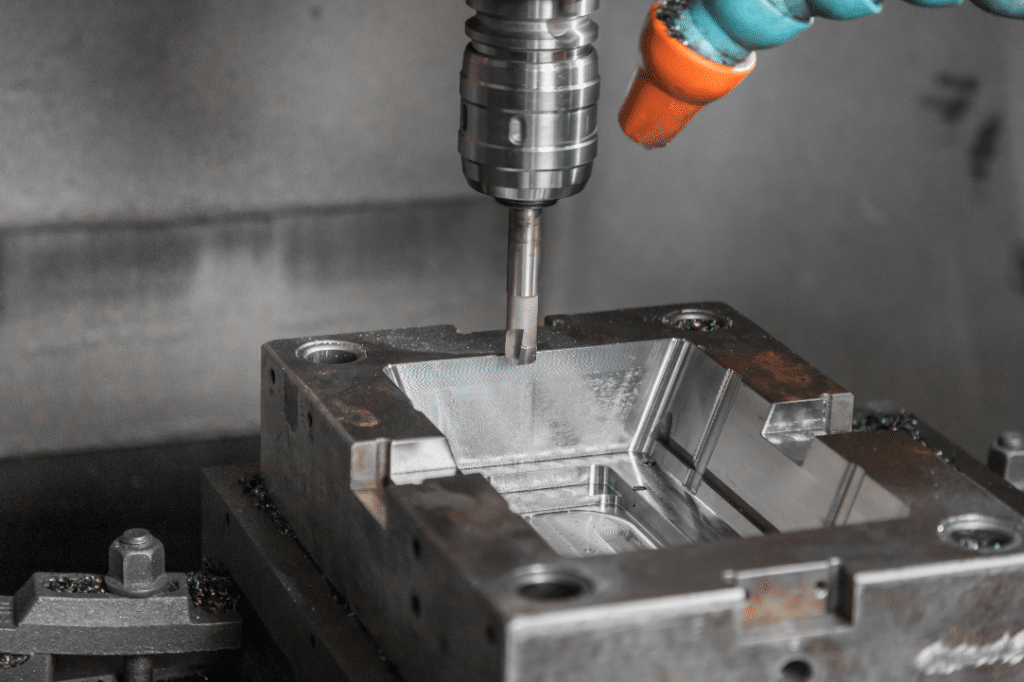
High accuracy mold making is especially important in uses such as medical equipment or aircraft parts, where failure cannot be tolerated in a part with a repeatability of microns, or large-volume electronic parts that must have a perfect cosmetic appearance. But where prototyping volume is low or the consumer good in question is not critical, the extra complexity of tool life may be unnecessary.
High-Precision Applications
Excessive specification of accuracy is a waste of money and time, since not all projects need sub-micron accuracy- sometimes durability is more important than accuracy.
Cases for Standard Mold Making
Risks of Over-Specifying
Balanced assessment is useful in preventing overrating of the cost in the accuracy of mold manufacture.
Common Misunderstandings About Precision Mold Making
One of the misconceptions is that precision means zero defects, which is not true because it minimizes variability but does not apply to all external elements such as resin quality. Precision is also erroneously perceived as costly in nature without regard to the fact that it can reduce the cost of long term costs in terms of rework reduced.
Precision as Zero Defects Myth
Not only about machining, it is also important that it should be system-integrated, because isolated accuracy cannot function without the supporting processes.
Precision Equals High Cost Only
Precision About Machining Only
Elucidating these makes sense of realistic expectations as regards precision mold making.
Conclusion — Precision Is Designed, Built, and Maintained
Precision mold making is important in a way that it, at the start, sets the level of reliability in production, which is maintained by careful designing, building, and maintenance, rather than production of parts made in the first place. This lifecycle approach will make tools worth in the long term as they will be able to change according to the production needs without any interferences. Through the perspective of precision as a whole result, manufacturers will make better decisions that will suit their requirements and promote efficiency and quality in the future.