Surface finish is much more than merely cosmetic in mold making; it is an essential part of the process that determines not only the ease of part release at demolding but also the lifespan of the tool and production stability. Numerous quality problems in injection molding, including variations in part size, surface flaws or an early tool life, may often be root causes in surface finishes that are mismatched or poorly defined. The appearance of the parts is not only the way a mold should behave in production but the surface finish of molds.
Mold surface finish is not a cosmetic option or even cosmetic requirement- it is a functional decision and has a direct influence on part quality, consistency and cost. Possessing knowledge about these implications, engineers and designers will be in a position to make quality decisions that can ensure optimization in performance as well as limiting the costs. This holds particular in the precision mold manufacturing sector where subtle changes in the surface would result in major downstream issues.
Why Mold Surface Finish Matters in Injection Molding
Injection mold surface finish is a fundamental attribute to both the experience of the interaction between the tool and the molten polymer, and it determines flow behavior, cooling rates, and release mechanics.
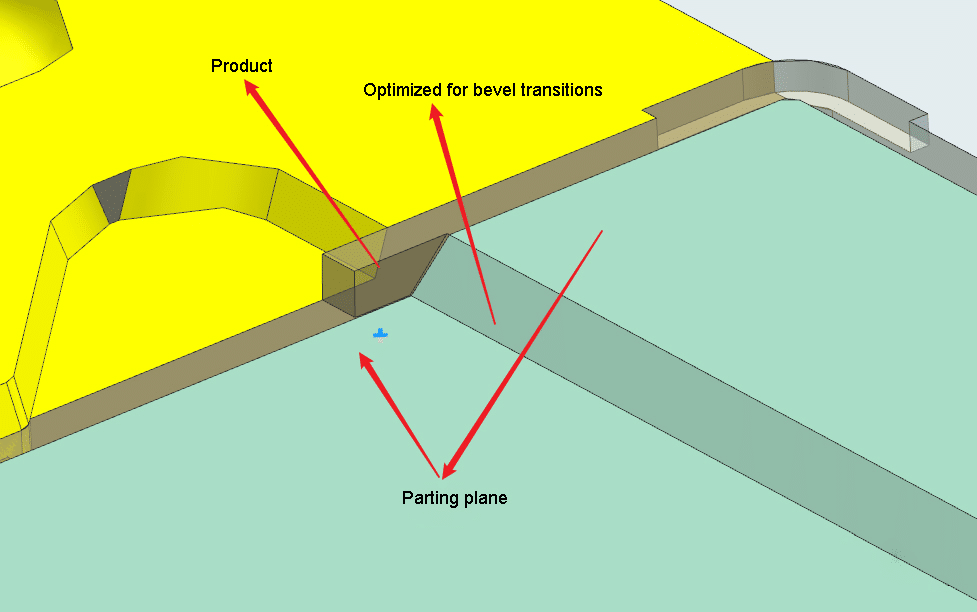
Molten plastic in the mold cavity is in direct contact with the surface. A coarser finish contributes to a greater level of friction and this may result in incomplete fill, elevated injection pressure and possible type of defects such as flow marks or weld lines. On the other hand, a smooth finish causes a reduction in friction that facilitates flow and demolding. The correct balance is of essence though–a smooth surface is apt to bring about the effects of a vacuum or sticking of some resins making it difficult to eject.
Surface roughness, frequently expressed in values of Ra (roughness average), has a direct influence on release forces. An example is that in a high-volume production, high roughness causes the entrapment of air or residues, resulting in inconsistent demolding and ejection failure of parts. This is the reason that the proper type of surface finishes of the moulds should be specified at the design stage like the SPI (Society of the Plastics Industry) standards or VDI (Verein Deutscher Ingenieure) scalability.
Having worked with OEMs in automotive and electronics at ZC Mould, the poor surface finishes have led to a higher problem with part warpage as a result of uneven cooling. The measures to overcome these are to match finishes with resin properties and cycle times. To have overall solutions, precision mold manufacturing services.
Key Factors in Surface-Material Interaction
The communication does not remain constant, but it changes with the temperatures. Surfaces with rough edges may contain micro-pockets in which plastic residues accumulate, so that the cleaning frequency and downtime increases. The finishes are smoother but this must be carefully controlled not to over-polish to the point of losing structural integrity.
Mold Surface Quality and Part Consistency Over Time
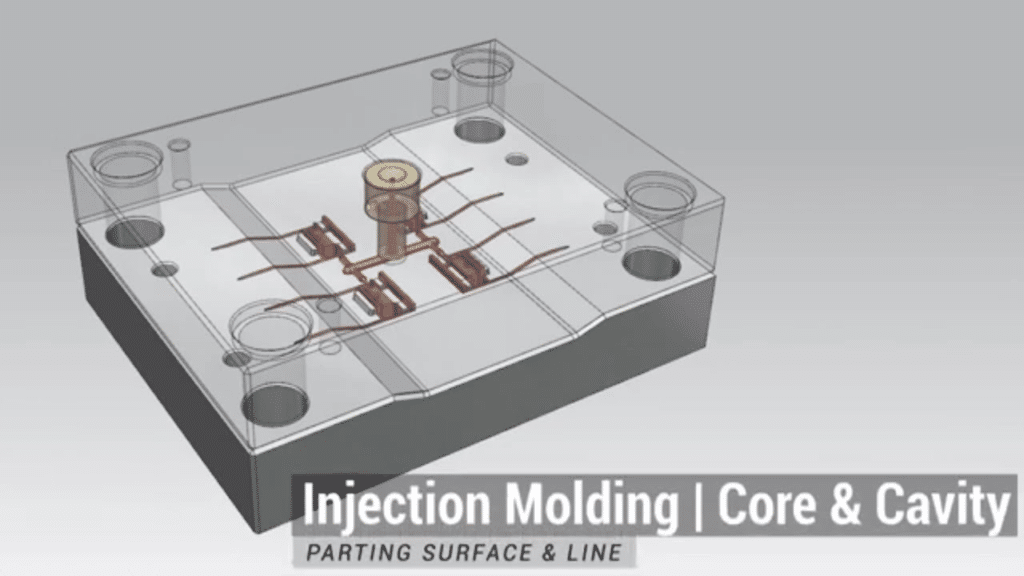
The surface of high-quality molds is needed to ensure repeatability of the parts within thousands or millions of cycles because the degradation is the direct factor weakening the stability of the production.
Since molds operate sequentially, they may produce surface wear, which is created by abrasive resin or high-pressure injections and refines the finish, gradually causing a gradual quality drift. This is evidenced through the growing differences in both part dimensions, surface textures or even flash formation. In the case of a medical device, an example of a deteriorating surface is medical device molding, where consistency is not an option, a decline in Ra value can occur as much as 0.1 0.5 0.6 in months with rejects.
This can only be prevented through initial polishing and regular maintenance plans, such as regular check-ups and re-polishing. Engineering designers have noted there is a better toleration in molds with an optimized mold surface quality and part consistency and part consistency and this has decreased scrap rates to up to 15 percent in long-run uses.
Wear Mechanisms and Mitigation
Wear is commonly due to corrosion in moist conditions or due to abrasion by glass filled polymers. To prevent all these, use finishes that are resistant to these like chrome plated or hardened surfaces, which prolongs life of tools. The frequent checking of surface roughness and surface part quality measures will identify problems at an early stage.
How Mold Steel Selection Limits Achievable Surface Finish
This is because the mold steel you use is a basic limitation of the surface finish you can acquire since various alloys respond differently to polishing and do not stabilize under production forces in the same way.
The P20 or H13 steels that are typical in injection molds are good to polish, but limited in hardness and microstructure. Ssofter steels are easier to polish to mirror-like finish (e.g., SPI A-1), but run out of life in abrasive applications. Seven or stainless versions are harder and harder to wear, but more difficult to polish, and usually stop at SPI B-2 with little effort.
Another criterion is corrosion resistance, in which steels that are susceptible to rusting, such as non-stainless types, may get pitting, which destroys surface integrity in the long run. This causes irregular releases of parts in the humid or chemical-exposed molding. It is important to know mold steel influence on surface finish is crucial for balancing upfront costs with long-term performance.
Polishing Characteristics by Steel Type
P20 steel can be polished to general purpose, but it is deficient in high corrosion conditions. Medical molding Stainless steels such as 420 are also good in medical molding because of their stability but require polishing with diamond in order to give good results. Heat treatment should be always considered because it influences grain structure and final Ra achievability.
Machining Methods and Their Impact on Surface Finish
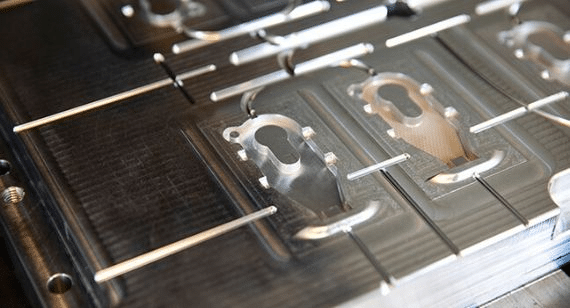
The machining techniques determine the initial surface texture prior to polishing, and each technique adds distinct features to the texture which affect the consequential feasibility of the ultimate finish.
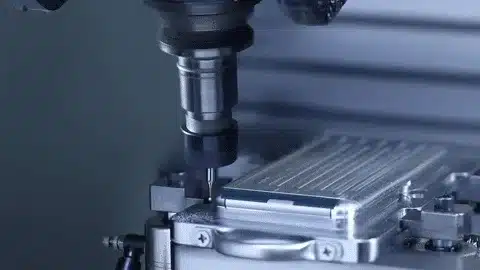
CNC milling offers directional surfaces that have low Ra numbers, which are appropriate to cavities where a uniform flow is needed. Nevertheless, tool marks may be so small as to require polishing after machining. EDM (Electrical Discharge Machining) is on the contrary a matte, isotropic texture produced by spark erosion, which is superior in complex geometries but frequently much polishing is necessary to hone the recast.
However, a combination approach, with CNC to remove the bulk, and EDM to add details, will be optimal in practice, although the results of the approach will not be consistent across the mold due to mismatch. We have discovered that mis choice of methods enhances problems in high precision applications as machining techniques that influence surface finish machining methods affecting surface finish play a pivotal role.
Process Comparison Table
| Process | Typical Surface Condition | Limitation |
| CNC machining | Smooth, directional marks | Tool radius limits |
| EDM | Textured, isotropic | Requires polishing |
In this table, the selection of the method should be based on the preferred injection mold surface finish, which is VDI 18 of textured parts versus SPI A-2 of gloss.
Surface Finish and Tolerance Interactions
Surface finish and tolerances are mutually dependent because the polishing processes may unintentionally increase and decrease the dimensions and make work with tight tolerances more difficult.
The polishing process sacrifices material that can cause movement in features by 0.01-0.05 mm, which is important in a mould with a 0.005 mm tolerance. Finishes that require higher finishes require more removal, which puts at risk out-of-spec conditions. Ra values are directly proportional: to have a low Ra (smooth) there have to be flatter surfaces, making the issue of geometric tolerances such as flatness or parallelism all the more difficult.
Over-polishing may cause thin critical areas to thin, resulting in warpage when used in electronics molding where thin walls are predominant. When surface finish tolerance considerations it saves far too many expensive redesigns.
Balancing Finish and Dimensional Stability
Polishing should be done with iterative measurements in order to maintain tolerances. To give an example, it is better to begin with a cruder Ra and polish gradually so that the control would be performed without the waste of material.
How Surface Finish Affects Part Quality and Cost
Surface finish has a significant impact on part quality indices such as the appearance, friction characteristics, and assembly fitting besides pushing the costs high due to extended processing time.
Smoother finishes are also more appealing to the eye and lessen friction in sliding assemblies, yet increased hand labor is necessary to polish, which increases the cost of the tooling. The less finished surfaces are enough on the functional components, which reduces costs but can lead to demolding or increased wear. The trick lies in the matching: optical components require SPI A-1 to be clear and industrial components can be supported by SPI C-3 to be cost-effective.
Excessive specification will result in the waste of money similar to situations when cosmetic finishes are used on the concealed part of the product. Inclusion of surface finish impact on part quality and cost is beneficial in spending less on budgets without compromising performance.
Finish Level Comparison Table
| Finish Level | Quality Benefit | Cost Impact |
| Functional | Adequate | Low |
| Cosmetic | Visual appeal | Medium |
| Optical | Clarity | High |
This is an example of trade-offs, and the overall consideration of part quality and the roughness of the surface should be considered as a whole.
Surface Finish as a Hidden Tooling Cost Driver
Surface finish normally appears as an unspoken cost driver in tooling, due to the extreme labor and maintenance that is needed to make and maintain surface finish.
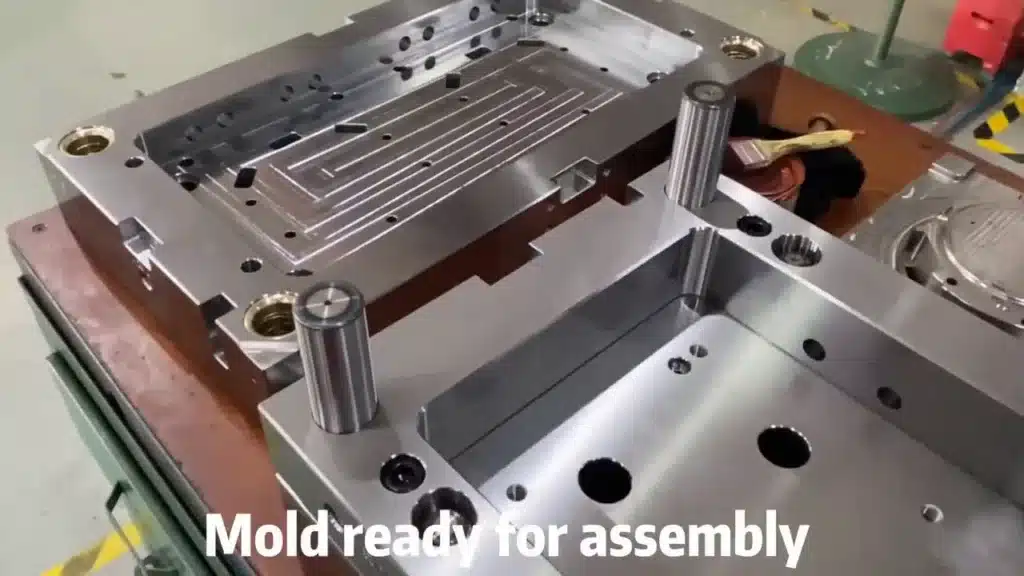
To achieve low Ra values several steps are required; the steps include grinding, lapping, and buffing; each step requires hours of craftsmanship. The costs of keeping that finish by re-polishing or coating on the tool are also incurred during the operating life of that tool and in a high cycle mold this becomes particularly costly. Failure to do this may escalate costs through unforeseen downtime.
As a consultant, we have helped OEMs to measure these in terms of lifecycle analysis, and the cost driver of surface finish, as a tooling cost driver, surface finish as a tooling cost driver can add 20–30% to total ownership costs.
Maintenance and Long-Term Implications
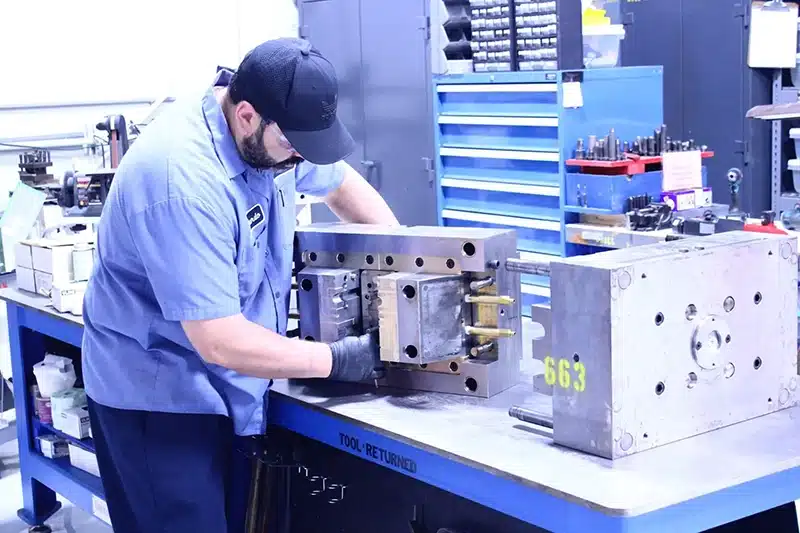
Constant maintenance such as ultrasonic cleaning, or protective finishes, will last longer but costs. The degradation of resin is enhanced by abrasive resin, thus the proactive strategies are necessary.
Common Misunderstandings About Mold Surface Finish
The most common misconception is that greater polish always presupposes greater performance without considering practical and financial considerations.
The common belief is that the more polished, the better, although over polishing may lead to sticking in low resin with low friction, or vacuum pits. Another myth: “function is independent of surface finish, not taking into consideration its contribution to flow and release. Lastly, insisting that finish can always be retouched disregards the fact that post production retouching is fraught with the danger of dimensional distortion or contamination.
These can be resolved by being addressed through education to avoid specification errors. An example of the first is mold polishing impact, which is practical, then attractive.
How OEMs Should Specify Mold Surface Finish Rationally
OEMs should consider surface finish specification as functional requirements, requirements should be practical and clearly communicated to eliminate any mismatch.
Begin with the mapping of finish to part function: SPI B-1 is preferred on mating surfaces requiring low friction but A-1 should not be considered unless it is required by optics. Avoid excessive cosmetic specifications of spots that are not visible to manage expenses. No misinterpretation by the vendor can occur because of clear communication through detailed drawings with callouts on the Ra and references to standards such as SPI or VDI.
Engage cross-functional teams at the earliest to achieve a balance between design intent and manufacturability, leading to fewer revisions.
Practical Specification Tips
Document tolerances and finishes, as well as request vendor samples to prove. This guarantees no over-engineering.
Conclusion — Surface Finish Is a Performance Decision
In short, specifying of mold surface finish must be done according to the way parts are to work in the production and use not only on appearance expectations. Reliable consistency, minimization of wear and maximization of costs can be attained by engineers by focusing on functional alignment rather than the use of aesthetics. This is a moderation between material and machining and tolerance interaction to create sound tooling that facilitates high yield production. Always consider trade-offs so that trade-offs do not cause risks in case of over- or under-specification.