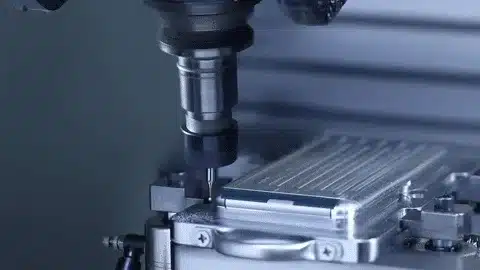
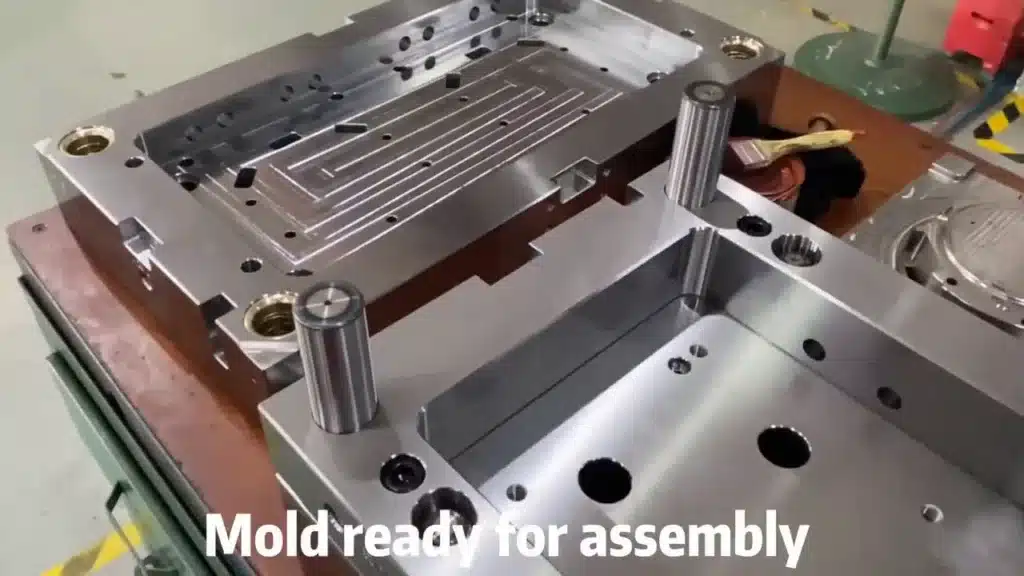
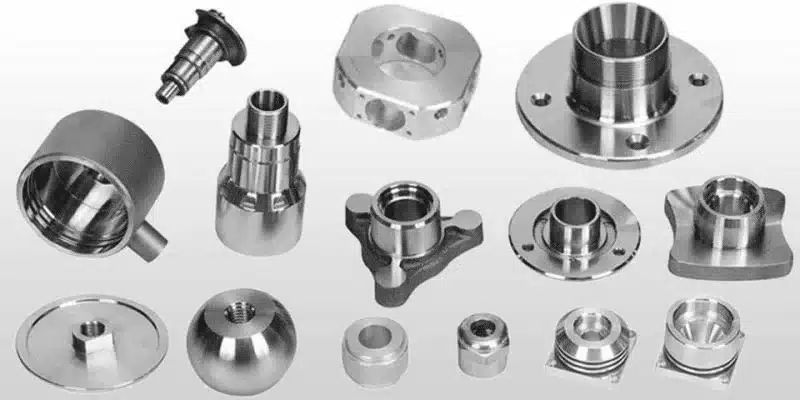
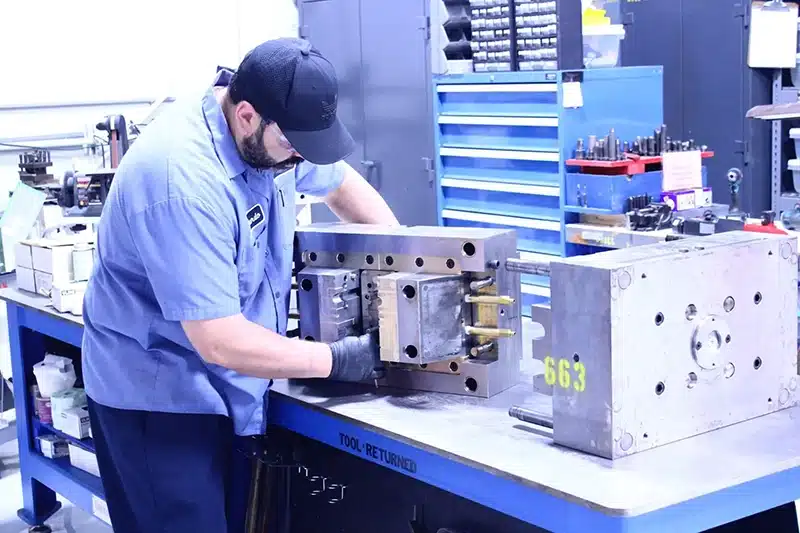
An EDM machine is a synchronized mechanism where the control of power, motion and management of the dielectric, and the mechanical structure is combined to bring about stable and accurate material removal. Most seem to think that the only important dimension of EDM performance is the sparks, however, in the real world, the complexity of machining accuracy and surface quality is greatly dependent upon the interplay of these core subsystems. In working with sinker and wire EDM systems over the years to fill in the molds and precision tooling I have time and again that a poor connection in any of these areas can lead to a weak link, whether it is a discharge that is not stable, bad gap control, or even poor flushing can affect the process.
The work of the EDM machine is determined by the way its main parts interact with each other, regulate electrical discharge, accuracy of movements, and stability of the process. Knowledge of these EDM machine components allow in determining the machine capability, or detecting instability, as well as comparing equipment in equipment in tight-tolerance work in precision tooling in tool steels, carbides or hardened alloys.
Overview of Core EDM Machine Components
EDM machines operate more as system-driven as opposed to tool-driven. In contrast to traditional milling, in which a cutter has performed the majority of the operation, in this case the milling is based on the specific coordination of electrical, mechanical, and fluidic systems with the creation of controlled erosion without contact.
The key groups are broken down as follows:
| EDM Component Group | Primary Function |
| Power and control system | Generates and regulates discharge |
| Mechanical structure | Supports precision movement |
| Dielectric system | Insulates, cools, and flushes debris |
| Electrode system | Shapes and guides material removal |
Such groups never work in vacuums. To see a clear visual dissection of their placement in a standard setup, refer to this EDM machine layout and components.
Power Supply: Controlling Electrical Discharge
The centre of the EDM process is power supply: it develops the controlled pulses that produce the sparks that remove the materials in question.
This would practically involve the supply of power (frequently termed the pulse generator) in the form of high voltage, short duration pulses between the electrode and the workpiece. Parameters that can be adjusted to directly affect removal rate, electrode wear, and surface finish include pulse duration, current, and frequency. Lower energy short pulses result in finer finishes but slower material removal whereas higher energy long pulses speed up roughing at the expense of rougher finish and wear.
Stability here is critical. Any change in voltage or pulse timing will cause uneven discharges, arcing (not sparking) or even damage on the piece of work. The EDM power supplies of today operate the circuits with transistors, to give the operator better control over activities in the machine, especially regarding how certain materials such as hardened tool steel or titanium perform.
Electrode System: Defining Shape and Machining Accuracy
Geometry being machined is determined by the geometry of the electrode, which has direct influence on the accurateness of the cavity and reproduction of detail.
Copper or graphite electrodes are usually used in sinker EDM. Copper is better at fine detail conductivity and longevity whereas graphite is better with higher currents and is more economical when it comes to roughing up more volumetric conduct. The quality of the electrodes, such as surface finish, dimensional error and purity of material, is near one-to-one to the machined cavity. Imperfection or wear is transferred or irregularly worn due to poor preparation of electrode.
Discharge process inevitably leads to electrode wear particularly in roughing. The wear ratio (electrode removal vs. the removal of a work piece) is dependent on settings and material; graphite electrode wears less than copper in high-energy environments. When creating the electrodes, engineers need to consider the overcut and wear tolerance to ensure small tolerances.
Dielectric System: Insulation, Cooling, and Debris Removal
The dielectric system of EDM machining is a poorly considered fact, but lack of control in this regard leads to an even greater instability of the process than other, external factor.
Dielectric fluid (sinker EDM hover hydrocarbon oil or wire deionized water) has three critical functions:
| Dielectric Function | Impact on EDM Process |
| Electrical insulation | Prevents uncontrolled discharge |
| Cooling | Stabilizes thermal conditions |
| Debris removal | Maintains consistent spark gap |
Voltage causes the fluid to breakdown to controlled spark, but it insulates until it breaks down. It allows cooling of superheated plasma zone (above 10,000 o C) to avoid thermal damage. Most significantly, flushing will remove minute particles of debris that would otherwise fill the range and short or arc.
Flushing pressure and filtration have to be ensured. In wire EDM, unstable machining, pitting or wire breaks could be caused by the build up of grease in the gap between clogged filters or inadequate flow. Regular dielectric repair, regular replace, and appropriate jet/nozzle adjustment are some of the simpler steps that can be taken to ensure that our shop experience can fall within the consistent range of ±0.005 mm accuracy and a substantive amount of rework is reduced to a minimum.
Servo and Motion Control System
The servo and motion control system maintain the scenario at extremely fine balance by maintaining the necessary spark gap.
The distance (0.01 -0.05 mm) should remain fixed regardless of the deletion of materials. In some designs, servo motors are used to move the electrode (or workpiece) in response to voltage/current sensors by making very small and quick movements. When it becomes excessively large the discharges become weak; when it becomes excessively small the discharges are accompanied by arcing.
CNC controllers are used in the execution of programmed paths, particularly when wire EDM is used to produce contours that are complex. Adaptive control is made possible by feedback loops, such as monitoring average gap voltage, to counteract a change in conditions, e.g. thermal expansion or accumulating debris.
| Control Element | Role |
| Servo motor | Adjusts electrode position |
| CNC controller | Executes machining path |
| Feedback sensors | Maintain process stability |
Even the most competent power supply and dielectric can not provide stable results without reliable servo response.
Machine Structure and Mechanical Rigidity
Everything is anchored at the machine base and frame. The issue of rigidity is due to the fact that EDM deals with the microscopic movements of thermal and mechanical stress.
The stiff construction has the benefit of reducing vibration due to pumps, servo motion or movement in the shop floor. Bed damage caused by harmonic issues causing different repeatability concerns is minimized by cast iron or polymer concrete beds which are well damped. Guidelines and conveyors need to be within sub-mixtures of accuracy across long cycles.
In long run mold work, it was observed that a machine that lacked adequate structural damping would lose position after hours of work resulting to taper or out-of-round characteristics. Long-term stability is insured by good design; correct ribbing, even distribution of weights, and thermal compensation.
Why Each Component Matters for Precision EDM Machining
None of its elements prevails; it is the combination of components that ultimately makes it accurate. Weak supply and high supply causes it to arc and have a rough surface. Good rigidity will not make up dirty dielectric leading to short circuits. Even the most developed part of the system cannot be performed because of weak subsystems.
System balance is key. Carrying out the assessment of EDM machines in terms of precision tooling, consider the integration of the components and not discrete specifications. Practically, stable results, repeatable or similar results, are only attained with machines in which the power, the gap control, the flushing and the structure are designed to be mutually supportive.
Conclusion — Understanding EDM Machine Components Improves Process Control
The functioning of the EDM machines is essentially dependent on the system. Depending on the combination of the coordinated effort of the power supply, electrode, dielectric system, servo motion, and mechanical structure, you will gain the necessary precision, surface finish, and process reliability.
This knowledge is useful to engineers and purchasers where the precision of the mold is critical, or harden components are needed and thus the selection of the necessary equipment and the optimization of the parameters is required to achieve the same result. Learning to use these components of EDM machines results in greater process control and less surprises in the shop floor.