Precision CNC Machining Services for Custom High-Accuracy Parts
ZC Mould provides precision CNC machining services for custom metal and plastic parts used in mold tooling, automation, electronics, automotive, and medical applications. Our focus is on tight tolerances, consistent dimensional quality, and rigorous inspection at every stage of production.
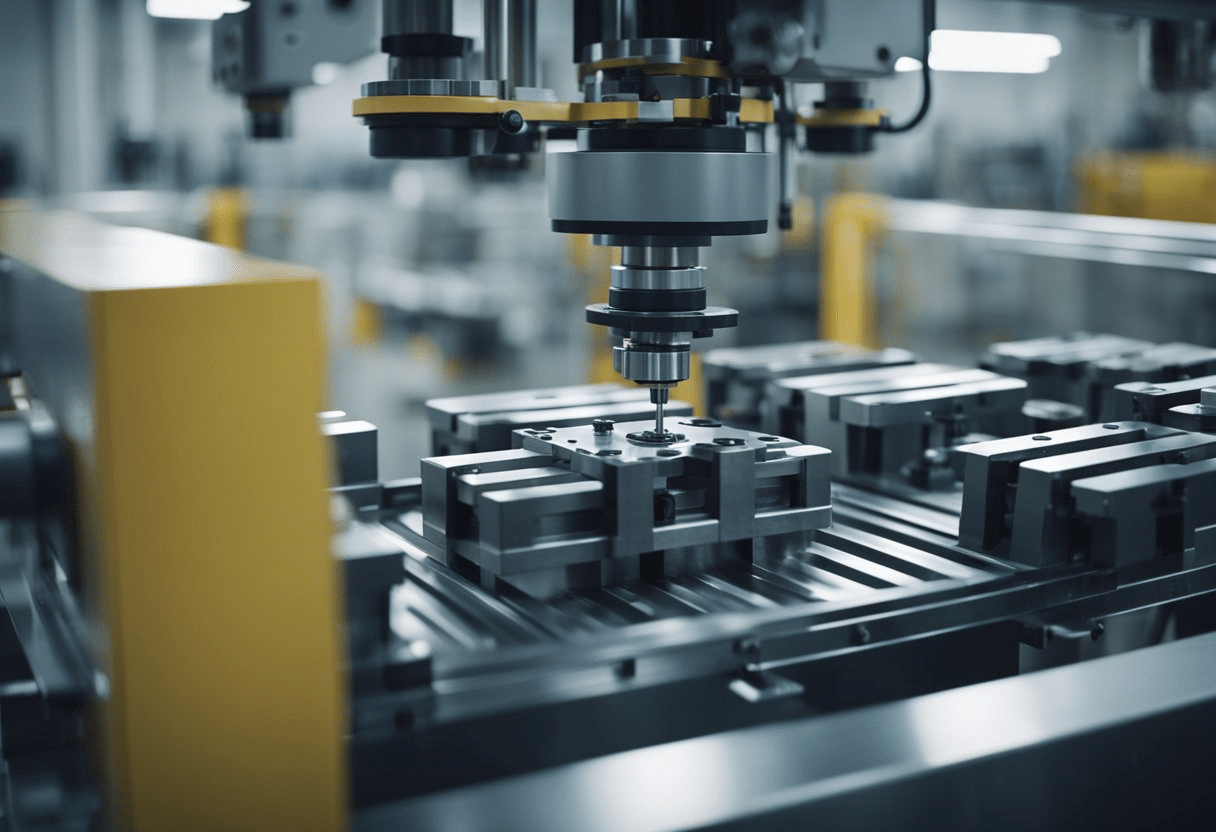
What Is Precision CNC Machining?
General machining removes material to bring a part close to its intended shape. Precision CNC machining takes this further — it is the controlled removal of material using computer-programmed machine tools to achieve exact dimensional targets, repeatable geometry, and stable surface quality across every part in a batch. The difference is not only in equipment capability but in process discipline: how tolerances are planned, how fixtures are set, and how features are verified before parts move to the next stage.
This level of control matters most for fit-critical components: mold components, threaded features that must assemble reliably, bearing surfaces, alignment pins, and engineered assemblies where dimensional deviation causes functional problems. When dimensions must hold across production runs — not just on a single sample — precision CNC machining is the appropriate manufacturing method.
Our Precision CNC Machining Capabilities
Our CNC machining services cover a range of operations for both tooling components and end-use production parts. We work from customer-supplied drawings, 3D files, and physical samples, and we confirm all geometry, material, and tolerance requirements before machining begins.
- CNC milling — flat, contoured, and pocket features
- CNC turning — cylindrical and rotational profiles
- Drilling and reaming — precision hole sizing and positioning
- Tapping and threaded features — metric and standard threads
- Functional details for tooling: ejector pin holes, cooling ports, alignment features
- Complex geometry for industrial assemblies and automation components
- Prototype machining and short-run production batches
- Manufacturing based on drawings, 3D CAD files, or reference samples

Custom Parts We Commonly Machine
We machine a broad range of functional components for tooling, industrial assemblies, and production applications. Our focus is on part function and fit, not only nominal dimensions — because a part that passes dimensional inspection but fails to assemble or perform correctly provides no practical value.
Whether we are producing a single mold insert or a batch of machined housings, the same process discipline applies: geometry is reviewed before machining, critical features are inspected during and after production, and parts are confirmed against drawing requirements before shipment. Learn more about how our precision components support mold making projects.
Materials for Precision CNC Machining
Material selection directly affects machinability, surface finish quality, wear resistance, corrosion resistance, dimensional stability under load, and service life. We work with the following material categories and can advise on selection based on part application and functional requirements.
Tool Steel
P20, H13, SKD61, D2 — standard for mold inserts, cores, and wear-critical tooling components.
Stainless Steel
303, 304, 316 — suitable for corrosion-resistant parts in medical, food-grade, and industrial environments.
Alloy & Carbon Steel
4140, 45# — structural and mechanical parts requiring good strength, toughness, and machinability.
Aluminum Alloys
6061, 7075 — lightweight structural parts, prototype tooling, and components where weight is a factor.
Brass & Copper Alloys
Electrical connectors, bushings, and fittings requiring high conductivity or bearing performance.
Engineering Plastics
Delrin (POM), nylon (PA), PEEK — functional plastic parts where low weight and low friction are required.
Hardened Steel
Post-heat-treatment precision grinding of hardened components to final dimensional requirements.
Custom Material Supply
Customer-supplied raw material is accepted. We confirm material certification before machining begins.
Tolerance Control and Quality Assurance

Stable precision is not determined by machine capability alone. It depends equally on how the process is planned: how tolerances are distributed across features, how fixtures are designed and set, which machining sequences are used, and how critical dimensions are verified during and after production.
A part that is out of tolerance in a single mating feature can cause fit failures, alignment problems, and rework that affects downstream production stability. We apply structured inspection — including dimensional verification of critical features — to ensure that parts meet drawing requirements and perform correctly in their intended assembly.
- Dimensional verification of critical features during and after machining
- CMM and precision gauging for tight-tolerance components
- Process planning that accounts for workholding, thermal effects, and tool wear
- First-article inspection with full dimensional report available
- Compliance with GB, JIS, DIN, and AISI standards, as well as custom client requirements
Applications of Precision CNC Machined Parts
Precision CNC machined parts are used wherever dimensional accuracy, consistent fit, and reliable performance are required across production quantities.

Precision Mold Components
Cores, inserts, pins, sleeves, and guide components for injection molds and tooling assemblies. Dimensional accuracy directly affects mold fit, parting surface quality, and production cycle stability.

Medical & Electronics Parts
Tight-tolerance housings, connectors, brackets, and structural parts for medical devices and electronic assemblies. These applications require consistent geometry, clean surface finishes, and reliable inspection documentation.

Automotive & Industrial Automation
Shafts, fixtures, brackets, and functional components for automotive assemblies and automation equipment. Parts must meet dimensional requirements consistently across production batches to support reliable downstream assembly.
Why Choose ZC Mould for Precision CNC Machining
Buyers of precision CNC machining services evaluate more than price. Stable quality, clear communication, understanding of part function, and dependable technical support all determine whether a supplier relationship works over time. ZC Mould is built around these priorities — we work with OEMs and manufacturers across automotive, electronics, plastics, medical, and industrial automation who need reliable precision manufacturing from a partner they can depend on.
Dimensional Accuracy You Can Verify
We inspect critical features during and after machining. Inspection reports are available for first-article and batch production. Parts are confirmed against drawing requirements before shipment.
Process Understanding, Not Just Machine Access
We review geometry, material, and tolerance requirements before confirming a machining approach. If a drawing has ambiguities or potential issues, we raise them before production — not after.
Experience Across Multiple Industries
From mold tooling components to automotive fixtures and medical precision parts, we understand what different applications require in terms of tolerance, surface finish, and material performance.
Responsive Communication
We respond clearly to technical enquiries, provide realistic lead times, and keep customers informed during production. We work with customers in different time zones and support long-term supply relationships.
How Our CNC Machining Process Works
Submit Your Files
Send your drawing, 3D CAD file, or physical sample with material and application details.
Technical Review
We review geometry, material, tolerance requirements, and application context before confirming the machining approach.
Production Planning
We confirm the machining sequence, fixture strategy, and inspection plan, and align on lead time and delivery terms.
Machining & Inspection
Parts are manufactured and critical features are inspected during and after production, against drawing requirements.
Delivery
Finished parts are packed and shipped for prototyping, mold tooling, or production use. Inspection documentation is provided on request.
Discuss Your Precision Machining Project
Share your drawings, material requirements, and tolerance specifications with our team. We will review your parts, confirm the machining approach, and provide a clear, detailed quotation. Whether you need a single prototype component or a production batch, we are ready to support your project from the first enquiry.

Precision CNC Machining — Frequently Asked Questions
What is the difference between CNC machining and precision CNC machining? +
CNC machining refers broadly to any computer-controlled material removal process. Precision CNC machining applies tighter process controls — including fixture design, machining sequence planning, and systematic inspection — to achieve closer dimensional tolerances, more repeatable geometry, and more consistent surface quality. The distinction matters most for fit-critical components, mold tooling parts, and assemblies where dimensional deviation causes functional or assembly problems.
What parts can be made with precision CNC machining? +
Precision CNC machining is used for mold inserts, core pins, guide bushings, sleeves, plates, housings, shafts, flanged components, fixtures, threaded parts, and a wide range of custom precision components. The process is suitable for both tooling components and end-use production parts across industries including automotive, electronics, medical, and industrial automation.
What materials can be used for precision CNC machining? +
Common materials include tool steels (P20, H13, SKD61, D2), stainless steels (303, 304, 316), alloy and carbon steels (4140, 45#), aluminum alloys (6061, 7075), brass and copper alloys, and engineering plastics such as Delrin (POM), nylon (PA), and PEEK. Material selection depends on part application, required hardness, surface finish, corrosion resistance, and service environment. We can advise on material selection based on your part function and requirements.
Why is tolerance control important in precision machining? +
A part that does not meet its dimensional requirements — even if only one critical feature is out of tolerance — may fail to assemble correctly, cause alignment problems, or require rework that disrupts downstream production. In mold tooling, even small dimensional deviations in core or insert geometry can affect parting surface quality and part ejection. Stable tolerance control reduces rework risk, supports predictable assembly, and improves production reliability across batches.
Can you produce parts based on drawings or samples? +
Yes. We work from 2D engineering drawings, 3D CAD files (STEP, IGES, and similar formats), and physical reference samples. Before machining begins, we review all geometry, material specifications, tolerance requirements, and application context to confirm the correct approach. If a drawing has ambiguities or potential manufacturability issues, we will raise them before production begins. You can contact us to submit your files for review.
Do you support injection molding in addition to CNC machining? +
Yes. ZC Mould provides precision CNC machining, mold component manufacturing, and injection molding services. For customers who require both machined components and molded plastic parts, we can support the full tooling and production workflow from a single manufacturing partner.