Laser Engraving Services

Laser Engraving Services for Precision Parts and Mold Components

Permanent, precise, and production-ready laser engraving for part identification, logos, serial numbers, cavity marking, and traceability. Built for mold components, CNC machined parts, and industrial assemblies where marking quality matters.
About This Service

Direct Part Marking for Industrial Manufacturing

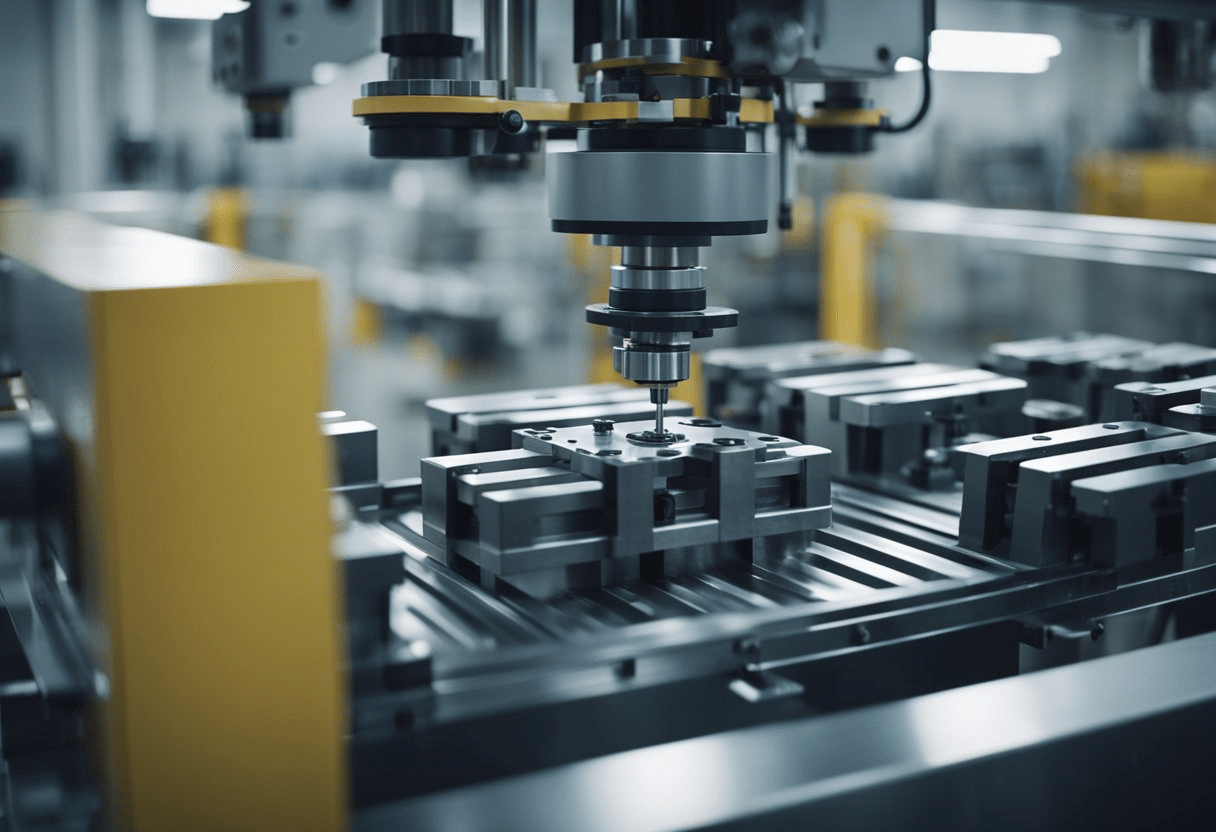
ZC Mould provides laser engraving services for precision parts, mold components, and industrial products. Whether you need part numbers, serial numbers, logos, cavity numbers, identification marks, or custom content applied directly to a component surface, our laser engraving process delivers clean, accurate results that hold up in production and in service.

Unlike adhesive labels or printed marks, laser-engraved identification is built into the part itself — making it resistant to wear, chemicals, temperature cycles, and handling throughout the product's lifetime. This translates directly into more reliable part tracking, cleaner finished products, and better communication across your supply chain.

Marking Capabilities

What We Can Engrave

We work with a broad range of marking content and can accommodate most standard and custom requirements for industrial components and mold tooling.

  • Part numbers and product codes
  • Serial numbers and batch identification
  • Logos and brand marks
  • Mold cavity numbers and insert identification
  • QR codes, barcodes, and traceability content where applicable
  • Custom text, symbols, and technical markings

Process Advantages

Why Laser Engraving

Laser engraving is a non-contact process that removes material from the surface to create a recessed, permanent mark. Because there is no physical tooling in contact with the part, the process introduces no mechanical stress, and the results are highly repeatable — mark position, depth, and geometry stay consistent across a production run. It is well-suited for complex surfaces, tight areas, and materials that are difficult to mark by other means, including hardened tool steels and precision-machined metal components.

From a practical standpoint, laser engraving reduces dependence on labels and printed marks that can degrade in industrial environments. Engraved identification supports traceability requirements, simplifies inspection, and contributes to a professional, production-ready part appearance throughout the component's service life.

  • Permanent marking on the part surface — no adhesives, no fading
  • High precision and repeatability across production quantities
  • Clear identification for production control and traceability
  • Capable of fine text, logos, and detailed features
  • Suitable for mold inserts, cavity areas, and precision-machined components

Materials & Applications

Materials and Part Types

Laser engraving is applicable across a wide range of metals and selected plastics used in precision manufacturing. The process is particularly effective on hardened steels, stainless steel, aluminum, and tool steel alloys — materials that are common in mold tooling and CNC machined components.

We assess each project individually to confirm the marking method, depth, and placement are appropriate for the material and the component's intended function. The following part types are typical applications we support:

  • Mold components and inserts
  • CNC machined metal parts
  • Precision tooling details
  • Industrial equipment parts
  • Identification features on custom components
  • Selected plastic parts where marking requirements are suitable

Mold Manufacturing Context

Laser Engraving for Molds and Precision Manufacturing

In mold manufacturing, laser engraving is commonly used for cavity identification, insert recognition, logo application, and fine surface details that cannot be achieved efficiently through conventional machining. It is typically applied as a secondary or finishing operation — following CNC machining and EDM — allowing marks to be added to fully finished or hardened surfaces without affecting dimensional integrity.

For OEMs and manufacturers, having consistent, permanent identification on mold tooling and precision components reduces time spent on maintenance identification, improves process control, and makes inspection and communication across the supply chain more straightforward. When components are clearly identified from the point of manufacture, every downstream process — from assembly to field service — benefits from that clarity.

Industries Served

Industry Applications

Our laser engraving services support a range of industries where component identification, traceability, and marking quality are part of the manufacturing standard.

Automotive

Part identification, cavity marking, and traceability for mold tooling and precision components used in automotive assemblies.

Electronics

Serial numbers, product codes, and logo marking on housings, enclosures, and precision-machined electronic components.

Medical

Permanent identification on medical device components and equipment parts where labeling durability and cleanliness are required.

Industrial Automation

Marking of mechanical parts, tooling, and sub-assemblies used in automated production lines and industrial equipment.

Tooling & Mold Manufacturing

Cavity identification, insert numbering, and logo engraving on mold bases, cores, and precision insert components.

OEM Custom Components

Brand marks, part numbers, and custom content on OEM-specified components across a range of industries and material types.

Common Questions

Frequently Asked Questions

What is the difference between laser engraving and laser marking? +

Laser engraving removes material from the part surface, creating a recessed, tactile mark that is physically part of the component. Laser marking is a broader term that can include processes such as annealing, color change, or surface oxidation — where the material surface is altered without necessarily removing material. The appropriate method depends on the base material, the required depth, and the durability needed for the application. For most industrial identification applications, engraving provides a more robust and long-lasting result.

Can laser engraving be used on mold components? +

Yes. Laser engraving is commonly used on mold cavities, core inserts, mold bases, and other tooling surfaces. It is effective on hardened tool steels and can be applied after final heat treatment without affecting dimensional integrity. Typical applications include cavity identification numbers, insert codes, logo engraving, and fine surface details that are part of the mold design. The process does not introduce mechanical stress or heat-affected zones that would compromise the tooling.

Is laser engraving permanent? +

Yes. Because laser engraving removes material from the component surface, the resulting mark is a physical feature of the part — it cannot peel, fade, or wash off under normal industrial conditions. It is resistant to cleaning agents, lubricants, heat, and mechanical wear. This makes it a reliable choice for applications where long-term identification is required, such as mold tooling used across extended production cycles or components that go through post-processing, coating, or field installation.

What can be engraved on a part? +

We can engrave logos, serial numbers, part numbers, cavity identification numbers, technical symbols, date codes, and traceability content such as QR codes or barcodes where the part geometry allows. Custom text and specific fonts can also be accommodated based on drawing requirements. The size and detail level of the engraving will depend on the available surface area and the material being marked. We review each request individually to confirm what is achievable given the part's geometry and surface condition.

Can you support custom projects? +

Yes. We are happy to review custom engraving requirements alongside part drawings or specifications. If you have specific marking content, positional requirements, depth expectations, or material considerations, please share your drawings and project details with our team. We will assess the requirements, confirm feasibility, and respond with a practical recommendation and quotation. Custom projects are handled on a case-by-case basis to ensure the marking solution fits the component and the production context.

Get in Touch

Discuss Your Laser Engraving Requirements

Whether you need permanent identification on mold components, serial numbers on CNC machined parts, or custom marking on industrial products — share your drawings, material details, and marking requirements with our team. We will review your project and provide a straightforward response on feasibility, process, and pricing.

Contact Our Team
Laser Engraving

Home / Laser Engraving

What's Laser Engraving?

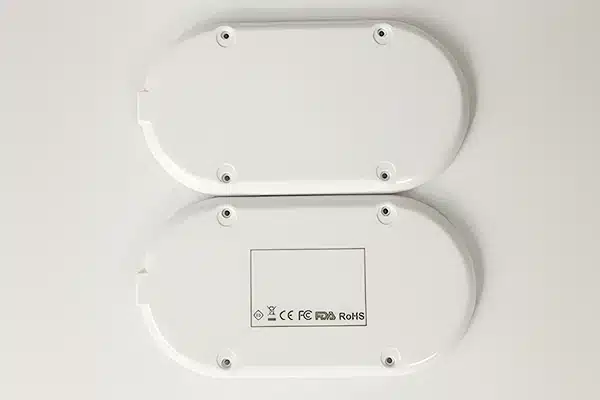
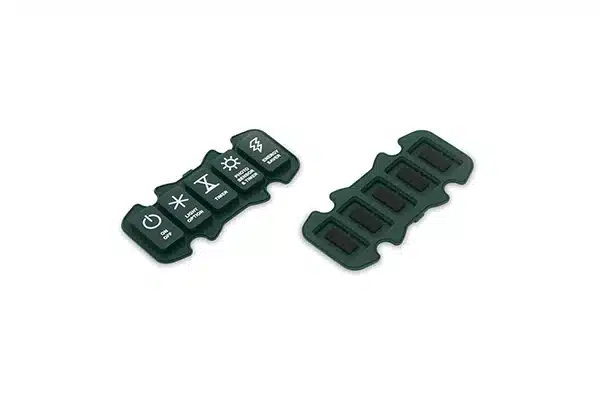
Using laser technology, laser engraving puts images, text or patterns on the surface of different materials. With wood, glass, metal and plastic as its sources, this process carves out designs when a laser beam is used on them. Its uses are close to those of screen printing and pad printing.

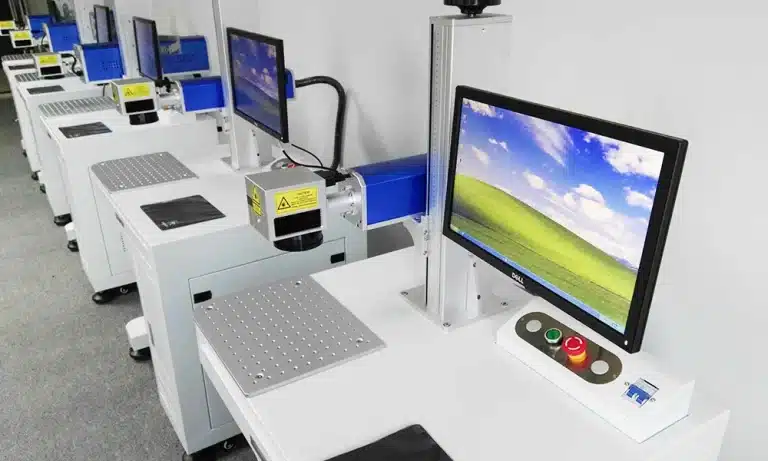
Using laser engraving is a popular and technology-rich printing technique. The majority of CNC machining shops or mould manufacturers install this type of surface treatment system. Taking on text and patterns for 3D printed, CNC machined and injection-molded parts, ZCmould operates six laser engraving machines.

Laser Engraving Showcase

Price Comparison of Different Printing Surface Treatment Processes

Printing Process Description Price
Laser Engraving
Uses laser beams to engrave patterns, text, or images.
$$
Screen Printing
Uses a screen to transfer ink onto a substrate.
$
Hot Stamping
Uses heat and pressure to transfer a foil or ink onto a surface.
$$$$
Water Transfer Printing
Uses a water-soluble film to transfer patterns onto objects.
$$$$$
Pad Printing
Uses a silicone pad to transfer ink onto a surface.
$$$
滚动至顶部