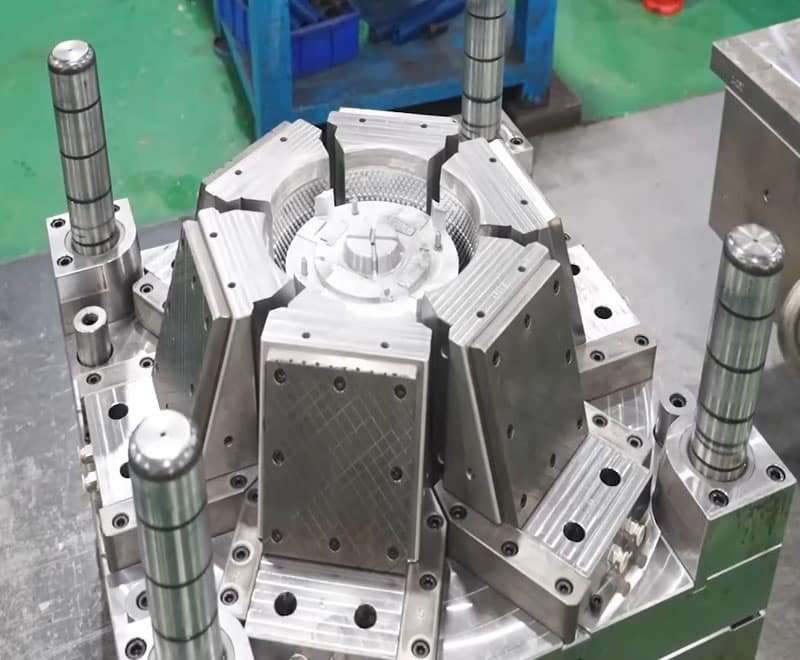
Author name: estelajackson33

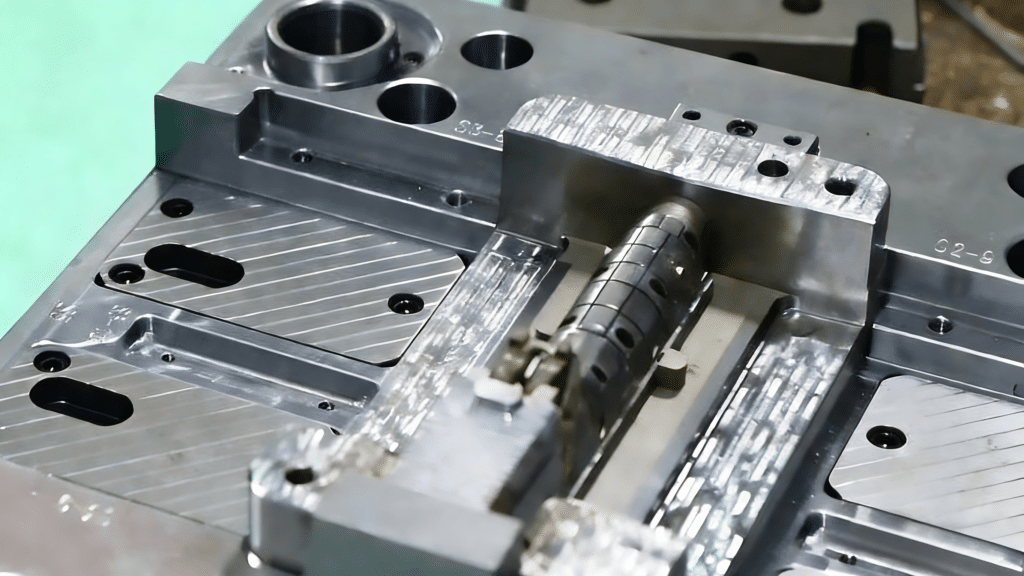
Mold steel heat treatment process including annealing, normalizing, hardening, and tempering for precision mold stability
Blog

How Mold Steel and Heat Treatment Affect Precision Over Time

Mold precision is not fixed at the time of machining—it evolves throughout the mold’s service life. This article explains how mold steel selection and heat treatment affect wear, dimensional stability, and long-term precision, helping OEMs understand why material behavior over time plays a critical role in injection molding performance and production reliability.

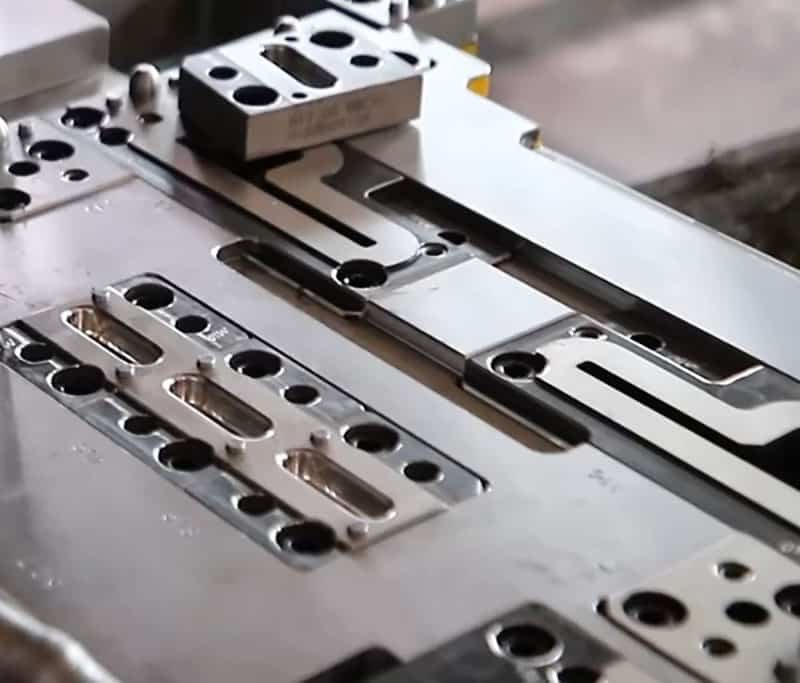
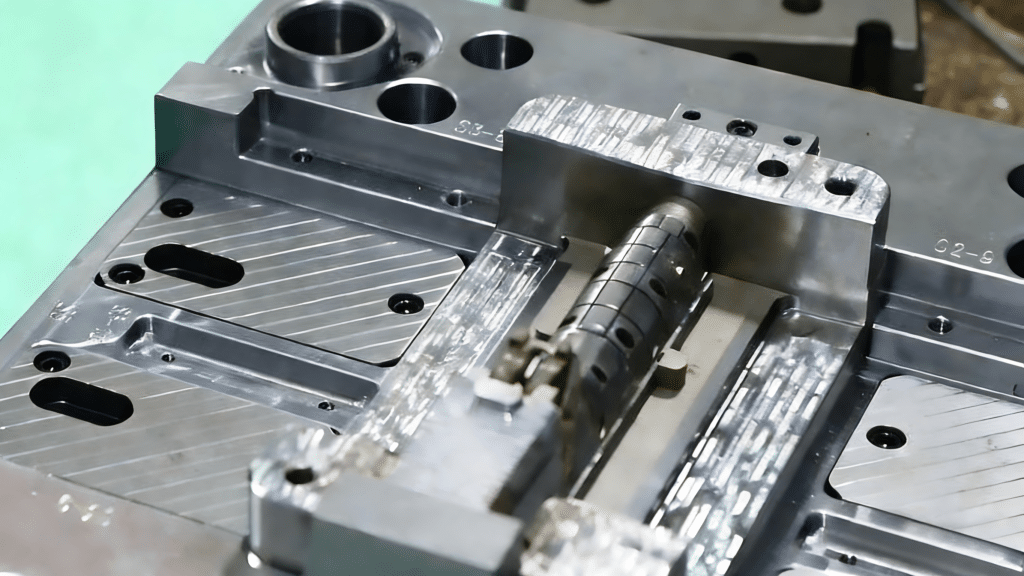
Precision mold components prepared for assembly, showing accurate machining and fitting surfaces critical to mold performance
Blog

Why Mold Assembly and Fitting Matter in Precision Mold Performance

Precision mold performance depends heavily on assembly and fitting quality. This article explains how alignment, clearance control, and component interaction during mold assembly influence long-term accuracy, wear behavior, and injection molding stability, helping OEMs understand why final mold performance is often determined after machining is complete.

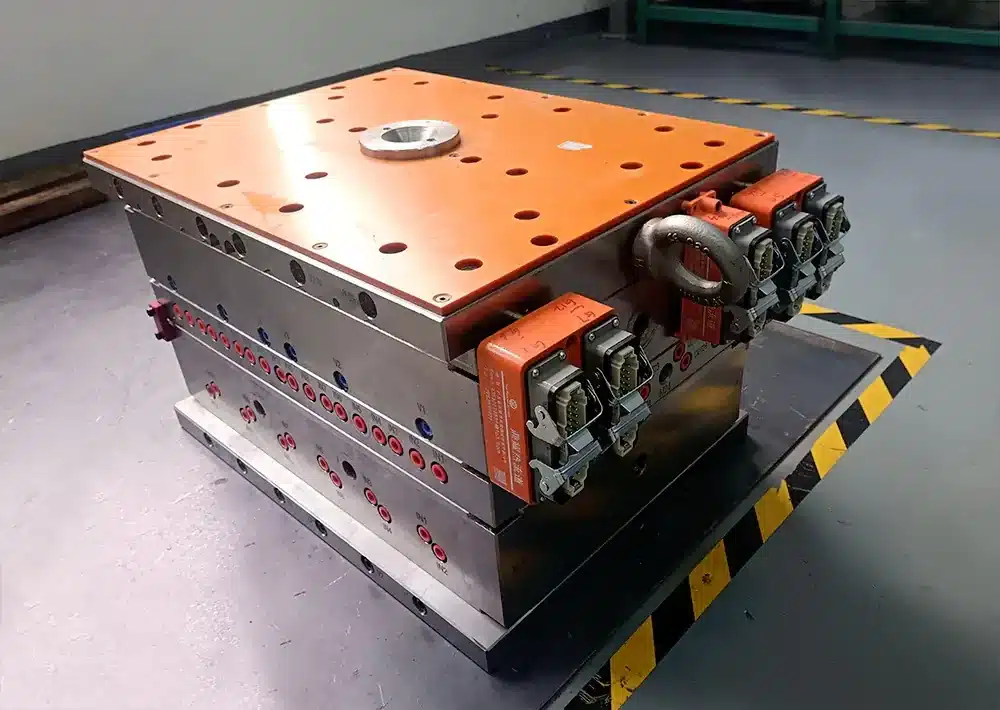
Fully assembled precision injection mold with hot runner system ready for trial and production
Blog

Precision Mold Manufacturing Process: From Design to Assembly

Precision mold manufacturing requires more than accurate machining. This article explains the complete precision mold manufacturing process—from design intent and machining control to heat treatment and final assembly—showing how each stage contributes to long-term dimensional stability and reliable injection molding performance.

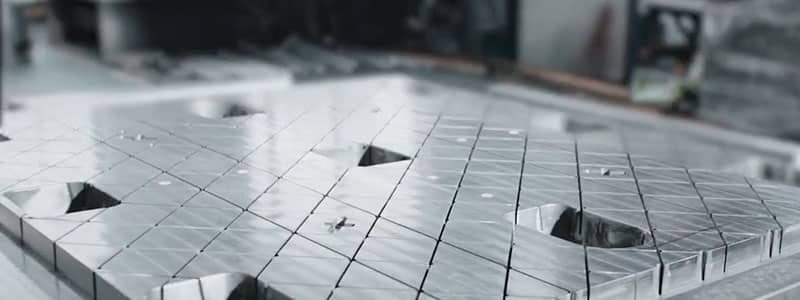
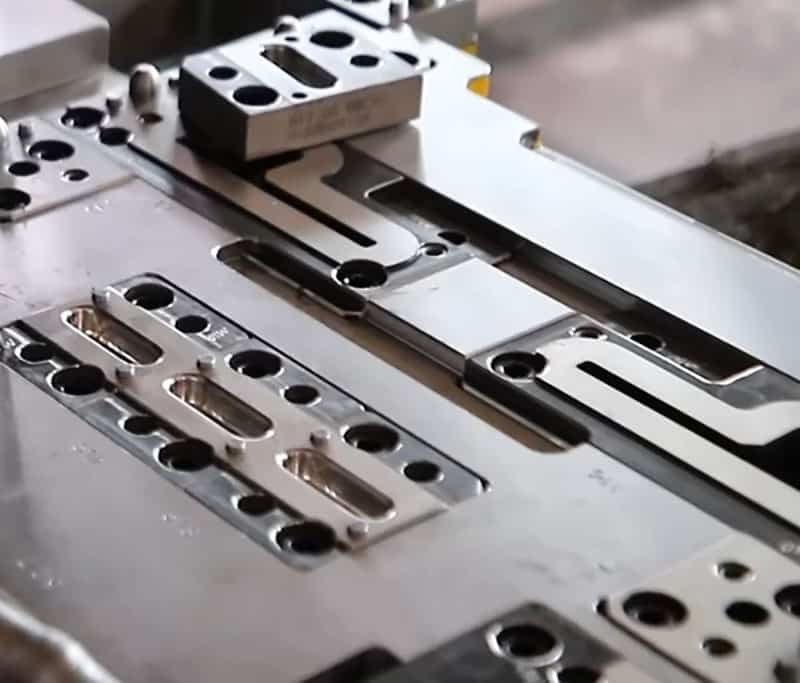
Precision machined mold components showing tight tolerance control, flatness, and accurate hole positioning for injection mold assembly
Blog

Tolerance Planning in Precision Mold Engineering

Tolerance planning in precision mold engineering goes beyond drawing accuracy. This article explains how functional requirements, wear behavior, and lifecycle stability must guide tolerance decisions, helping OEMs understand why effective tolerance strategy is essential for reliable, repeatable injection molding production.

Precision injection mold assembly with tight tolerances ensuring stable injection molding production
Blog

How Precision Mold Quality Affects Injection Molding Stability

Injection molding stability depends less on machine tuning than on the quality of the mold itself. This article explains how precision mold quality influences process windows, cycle consistency, and repeatable production performance, helping OEMs understand why stable injection molding starts with reliable tooling rather than reactive adjustments.

Blog

Why Precision Molds Fail: Common Design and Manufacturing Mistakes

Precision molds often fail not because of machining limits, but due to design assumptions and manufacturing decisions made early in the process. This article explains the most common mistakes that cause precision molds to lose accuracy over time, helping OEMs understand how failure mechanisms develop in real production environments.
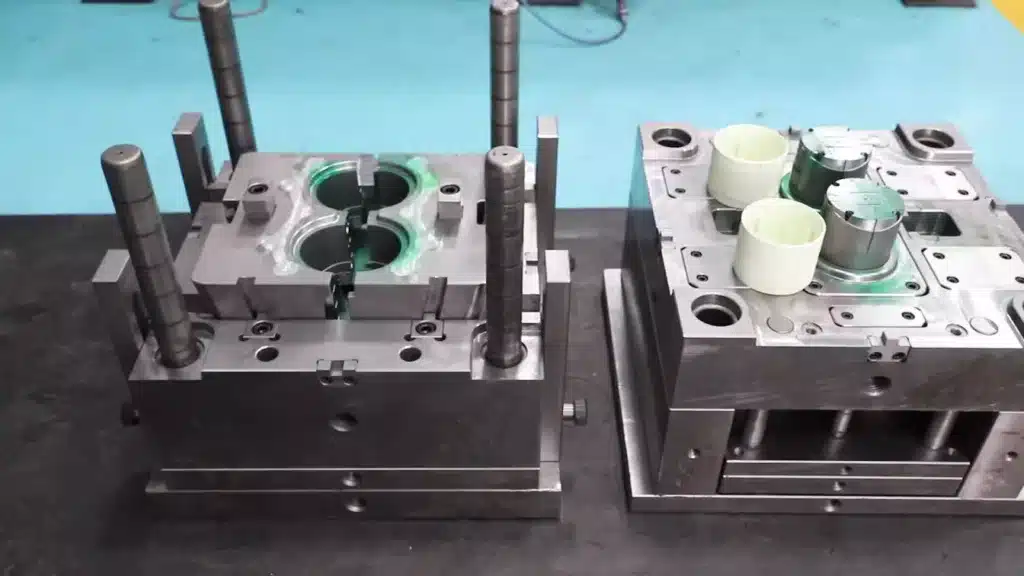
Blog

What Defines a Precision Mold in Injection Molding?

Precision molds in injection molding are often misunderstood as tools with extremely tight tolerances. This article explains what truly defines a precision mold, focusing on dimensional stability, tooling quality, and repeatable performance over production life rather than nominal accuracy alone.

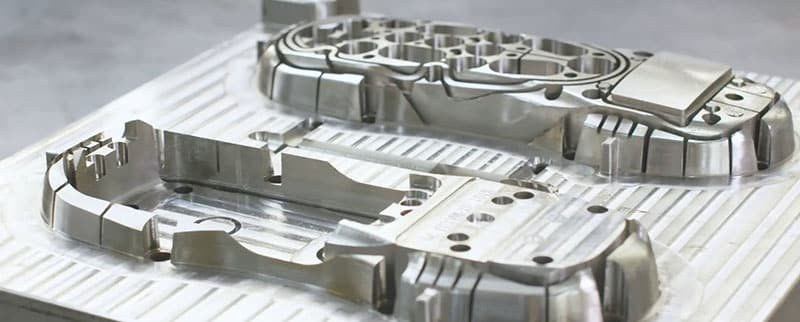
Injection mold base and insert structure showing how mold quality affects precision and production stability
Blog

Why Mold Quality Matters in Injection Molding Production

Mold quality plays a decisive role in injection molding production outcomes. This article explains how tooling accuracy, material selection, and mold construction influence dimensional stability, cycle consistency, and long-term production reliability, helping OEMs understand why investing in mold quality reduces risk and total manufacturing cost.

Scroll to Top