作者姓名:Palle

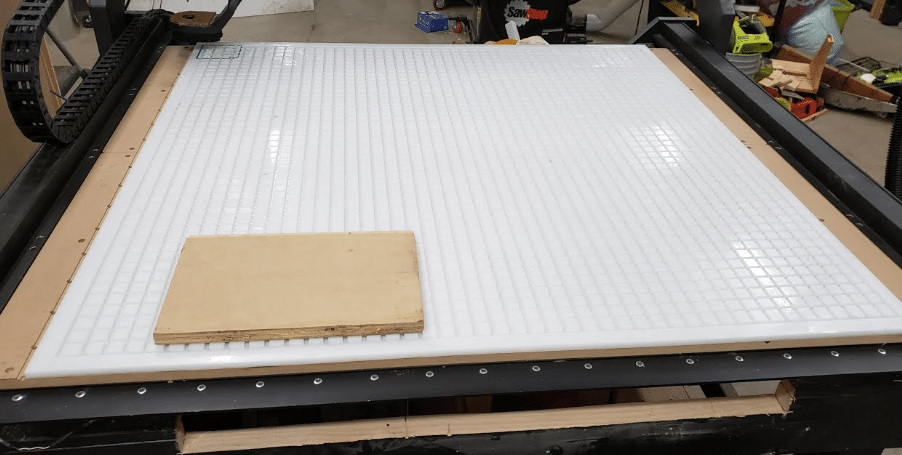
CNC vacuum table made with white HDPE plastic grid and smooth surface
Blog

How to Build a DIY CNC Vacuum Table: A Comprehensive Guide

One of the best and cheapest options to consider in increasing the efficiency and sense of precision of your CNC router is a DIY CNC vacuum table. You can make a solid work holding machine using low cost material such as MDF, PVC and a shop vac with a well planned approach of zoned suction. The most important steps are the preparation of a flat base, cutting a plenum grid, plumbing the vaccum, and keeping a porous spoilboard. You can then use your vacuum table to process different materials including wood and aluminum with minimal time in setting up, ensuring that the surface area ensures the force is evenly distributed across the workpiece. .
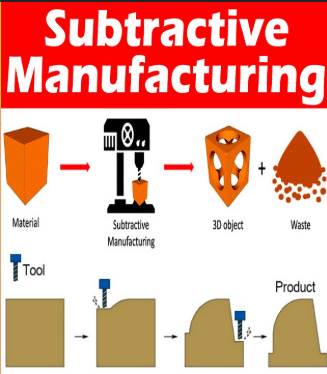

Visual representation of subtractive manufacturing from raw block to finished product using cutting tools
Blog

Understanding Subtractive Manufacturing: A Comprehensive Guide

The subtractive method of manufacturing is an extremely crucial production technique, where no preciseness and use of material in industries such as aerospace, automotive and medical devices are unmatched. As much as it has challenges such as the ongoing discussion of manufacturing vs additive vs subtractive material wastes, the development of better technology and sustainability, including methods that utilize electrical sparks. are improving the efficiency of this process. Backed by a strong logistics on the side of such providers, as GWT Worldwide, subtractive manufacturing keeps on innovating the world and produce parts for trading across the globe.

Colorful molded plastic components next to an open cavity mold used in plastic part manufacturing
Blog

The Complete Guide to Plastic Molding: Types, Processes, and Applications for Modern Manufacturing

This comprehensive guide has explored the major plastic molding processes, including injection, rotational, blow, compression, extrusion, and thermoforming methods. Each process offers distinct advantages for specific applications, from high-volume precision parts to large hollow containers. Key considerations include material selection, cost factors, quality control, and emerging sustainability requirements. The industry continues to evolve through technological innovations, sustainable practices, and advanced materials that expand the possibilities for plastic molding applications. Understanding these processes enables manufacturers to select the optimal method for their specific requirements while considering economic, environmental, and performance factors.

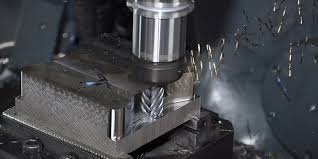
CNC milling machine cutting a stainless steel block with metal chips flying off during high-speed machining
Blog

The Complete Guide to Stainless Steel CNC Machining: Expert Techniques for Precision Manufacturing

This comprehensive guide covers essential aspects of stainless steel CNC machining, from material selection through advanced machining strategies. Key topics include understanding different stainless steel grades (303, 304, 316, 17-4 PH), managing work hardening challenges, optimizing cutting parameters, and selecting appropriate tools and coolants. The guide addresses quality control, cost considerations, troubleshooting common issues, and future trends in the field. Successful stainless steel CNC machining requires careful attention to technical details and selection of experienced manufacturing partners with appropriate capabilities and expertise.

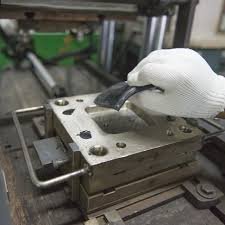
Gloved hand placing raw material charge into a heated compression mold cavity before pressing
Blog

The Complete Guide to Compression Molding: Manufacturing Excellence in 2025

Compression molding stands as a cornerstone manufacturing process offering unmatched versatility and reliability for producing high-quality components across numerous industries. The process combines heat, pressure, and time to transform raw materials into dimensionally precise, durable products with excellent surface finishes. Understanding the fundamental principles, material options, equipment requirements, and application possibilities enables manufacturers to leverage compression molding effectively for their specific needs. As technology continues advancing and market demands evolve, compression molding remains well-positioned to meet future manufacturing challenges while delivering consistent, high-quality results that satisfy the most demanding applications and quality standards.

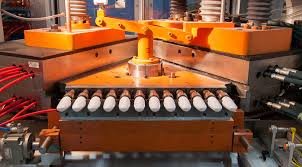
Industrial injection molding machine forming multiple plastic caps simultaneously in high-volume production
Blog

The Complete Guide to Plastic Molding Types: Manufacturing Techniques for Modern Industry

This comprehensive guide covered the seven primary plastic molding techniques: injection molding for complex parts, blow molding for hollow products, rotational molding for large hollow items, compression molding for thermosets, thermoforming for sheet-based products, structural foam molding for lightweight solutions, and gas-assisted molding for advanced hollow parts. Each technique serves specific manufacturing needs, and understanding their applications, advantages, and limitations enables manufacturers to optimize their production processes and achieve superior results in today’s competitive market.

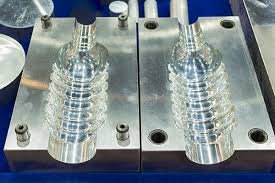
Aluminum mold used for plastic bottle production, showing tooling quality and factors influencing molding cost
Blog

The Complete Guide to Plastic Molding Cost: Understanding Pricing, Factors, and Cost-Saving Strategies in 2025

Plastic molding cost analysis requires comprehensive understanding of multiple interconnected factors that influence project economics. From initial tooling investments to ongoing production costs, successful cost management demands careful consideration of design requirements, volume projections, quality standards, and market dynamics. The key to optimizing injection molding costs lies in balancing upfront investments with long-term production economics while maintaining quality and delivery requirements.

Strategic approaches to cost optimization include design for manufacturability, appropriate tooling investments, material selection optimization, and process efficiency improvements. Understanding volume economics, automation benefits, and supply chain considerations enables informed decisions that maximize value while controlling costs. Successful injection molding projects require careful planning, strategic supplier relationships, and ongoing cost management throughout the product lifecycle.

Diagram showing four stages of rotational molding process: material loading, heating to 300°C, cooling to 70°C, and demolding.
Blog

The Complete Guide to Rotational Molding Process: Everything You Need to Know in 2025

The process of rotational molding is one of the technologies as regards manufacturing that has stood the test of time in serving various industries. The process is ideal in the production of hollow, seamless plastic goods which have an outstanding flexibility in design and relatively inexpensive tooling, and rotational molding offers unique advantages . Although the cycle time of this process is still longer than the high-pressure alternatives, the exclusive benefits of unstressed construction, consistently wall thickness, and the complexity of the geometry that is made available makes the rotational molding process perfect under applications and specific production runs.

Precision-machined aluminum rapid injection mold with black plastic connector part
Blog

Rapid Injection Mold Tooling: The Complete Guide to Fast-Track Your Product Development in 2025

Future trends in rapid injection mold tooling are positive providing the further development of materials, process, and integration technologies paving the way to further developments and use of the technology. Firms that adopt the rapid tooling technologies and become competent in terms of adoption and application of such technologies will be at better position to compete in an increasingly dynamic market normal injection molding. The shorter lead time, lower costs, and increased flexibility that is incorporated in rapid injection mold tooling is a prerequisite to contemporary manufacturing organizations that desire to increase their rate of innovation and market responsiveness without garnering a compromise in terms of quality.

滚动至顶部