作者姓名:Palle

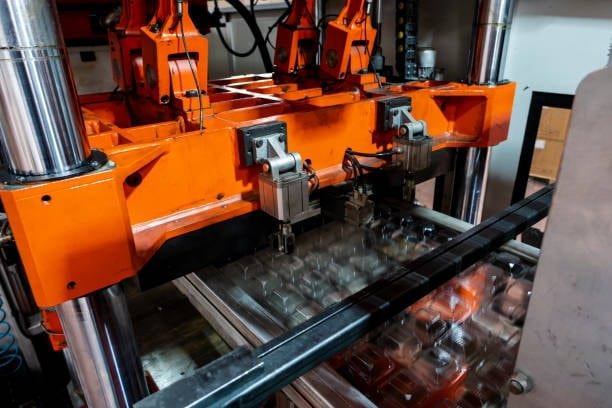
Comparison of thermoforming mold cavity and produced plastic components
Blog

Thermoforming vs Injection Molding: A Comprehensive Guide to Choosing the Right Manufacturing Process

Injection molding and thermoforming are the two basic methods of plastic production that have various benefits linked to them depending on the route of application and demands. The selection of such processes, including twin sheet thermoforming sheet of plastic, relies on several factors such as the volume of the production, complexity of parts, material demand, costs and quality requirements. Being aware of those differences, the manufacturers can make better choices, which would allow them to maximize the quality of their products along with the economic efficiency vacuum forming technique.

Raw plastic pellets used in injection molding process vs thermoformed sheets
Blog

Mastering Injection Molding Design Guidelines: A Comprehensive Approach for Engineers

This detailed guide shows you important rules for injection molding both your product parts and mold tool. The article starts by explaining why you need uniform distributions of wall thickness along with proper draft angles that help prevent design issues. The guide explained how to place and design gates while showing readers ways to control weld line formation and move material smoothly through the mold.

Blue plastic belts used in conveyor systems made from Delrin or POM material
Blog

POM vs Delrin: Complete Engineering Material Comparison Guide

When POM and Delrin are compared, it is easy to uncover that even being the representatives of the same polyoxymethylene family, the difference between their molecular structure causes specific performance attributes. Delrin (POM-H) has better mechanical qualities, greater temperature stability, and dimensional consistency that make it useful in challenging applications of engineering cnc machined delrin parts. POM-C is easier to process and cheaper although with very good performance in applications that are not critical delrin machining.
The applications covered in this guide demonstrate the remarkable breadth of what CNC machines can create, from functional industrial components to expressive artistic works. As manufacturing technology advances, the potential applications of CNC machining will continue to grow, making these precision systems even more valuable for industries seeking to push the boundaries of what’s possible in modern manufacturing.

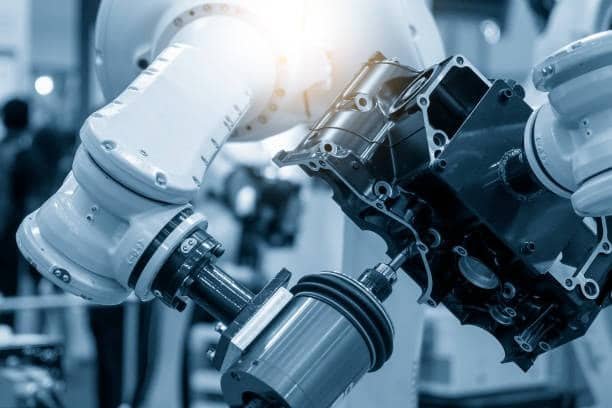
Robotic arm handling a machined component from a CNC workstation
Blog

What Can CNC Machines Make: The Ultimate Guide to CNC Manufacturing Capabilities

CNC machines represent one of manufacturing’s most versatile technologies, capable of producing an extraordinary range of products across diverse industries. From the intricate components that power aerospace systems to the artistic creations that enhance our living spaces, CNC machining offers unparalleled precision and consistency. The technology continues to evolve, embracing new materials, increased automation, and hybrid manufacturing approaches that further expand its capabilities intricate details.

The applications covered in this guide demonstrate the remarkable breadth of what CNC machines can create, from functional industrial components to expressive artistic works. As manufacturing technology advances, the potential applications of CNC machining will continue to grow, making these precision systems even more valuable for industries seeking to push the boundaries of what’s possible in modern manufacturing.

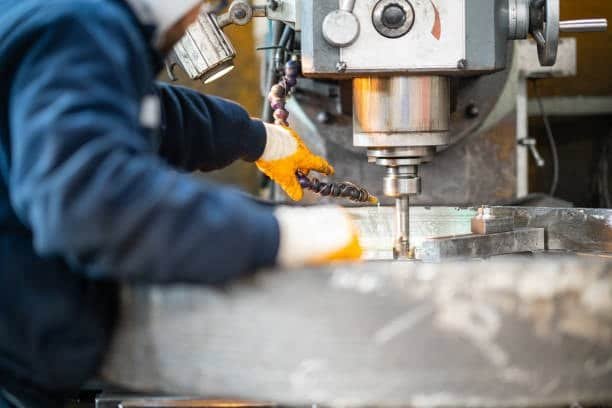
Worker operating vertical manual drilling machine on large component
Blog

Mastering the Art and Science of Precision Drilling Machining

Drilling machining continues to evolve through technological innovation while remaining fundamental to manufacturing across industries. The interplay between tool design, machine capabilities, and process parameters determines success in creating precision holes. As materials advance and tolerances tighten, drilling technology adapts through enhanced automation, smart monitoring systems, and specialized techniques. Understanding both traditional fundamentals and emerging developments enables manufacturing professionals to implement effective drilling solutions for current and future challenges.

G-code paper with gear indicating CNC operation setup
Blog

Decoding the Language of CNC: What Are G and M Codes That Power Modern Manufacturing

G and M codes form the universal programming language for CNC manufacturing, with G codes primarily controlling geometric movement and M codes managing machine functions. Developed in the 1950s, these commands have evolved while maintaining their fundamental structure and purpose. Though alternative programming interfaces have emerged, G and M codes continue to operate as the underlying instructions that direct machine tools. Their implementation varies across control systems and manufacturing processes, but mastering these codes provides valuable skills applicable throughout the industry. As manufacturing embraces digital transformation, G and M codes adapt to new technologies while remaining the essential link between design and production.

Blog

CNC Precision Machining: Revolutionizing Modern Manufacturing

CNC precision machining represents the cornerstone of modern manufacturing technology, enabling the production of complex components with exceptional dimensional accuracy and surface quality. By combining sophisticated computer control with advanced machine tools, CNC processes deliver consistent precision across materials ranging from common aluminum to exotic super alloys. Applications span critical industries including aerospace, medical devices, automotive, and electronics manufacturing. While the technology continues advancing through innovations like multi-axis machining, artificial intelligence, and digital integration, skilled human operators remain essential to maximizing precision capabilities. As manufacturing requirements become increasingly demanding, CNC precision machining will continue evolving to meet tomorrow’s engineering challenges with ever-greater accuracy and efficiency.

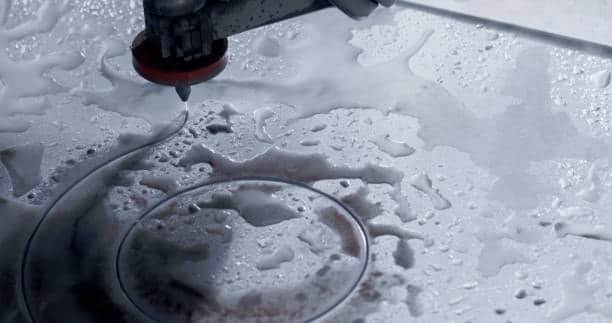
Waterjet cutting process in CNC machining for precise metal part shaping
Blog

Mastering the Art of Contracting CNC Machining: A Strategic Guide for Success

Contracting CNC machining services offers companies remarkable manufacturing flexibility without capital-intensive equipment investments. Success in this approach requires careful contractor selection, clear technical specifications, strategic material procurement decisions, and robust quality control measures to ensure high quality parts cnc programming services. By addressing these key considerations, businesses can leverage contracted machining capabilities to enhance production capacity while maintaining focus on core competencies.

滚动至顶部