作者姓名:Palle

Waterjet cutting process in CNC machining for precise metal part shaping
Blog

Mastering the Art of Contracting CNC Machining: A Strategic Guide for Success

Contracting CNC machining services offers companies remarkable manufacturing flexibility without capital-intensive equipment investments. Success in this approach requires careful contractor selection, clear technical specifications, strategic material procurement decisions, and robust quality control measures to ensure high quality parts cnc programming services. By addressing these key considerations, businesses can leverage contracted machining capabilities to enhance production capacity while maintaining focus on core competencies.
Blog

Revolutionizing Precision Manufacturing: The Power of 5-Axis CNC Machining

5-axis machining is prevalent in aerospace, automotive, medical, and mold-making industries—where precision and efficiency are the prime concern. It facilitates quicker prototyping, enhanced design flexibility, and optimized material utilization by optimizing the manufacturing process, ultimately redefining the manufacturing of high-performance components.

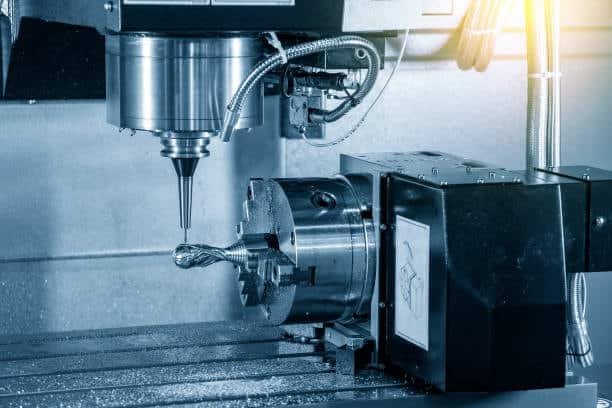
4-axis CNC milling machine operating with rotary table for simultaneous machining
Blog

The Evolution and Impact of CNC 4-Axis Milling Machines: Transforming Modern Manufacturing

CNC 4-axis milling machines have revolutionized manufacturing by adding rotational capability to traditional 3-axis systems, enabling the production of complex geometries with unparalleled efficiency and precision. These versatile machines have found applications across diverse industries including aerospace, automotive, medical device manufacturing, and mold making. By reducing setup times, improving accuracy, and expanding manufacturing capabilities, 4-axis milling delivers significant competitive advantages for modern manufacturers. Recent technological advancements, including AI-driven optimization, high-speed machining capabilities, and sophisticated control systems, have further enhanced these machines’ performance. While implementation requires careful consideration of technical requirements and investment in workforce development, the productivity gains and expanded capabilities make 4-axis milling an essential technology for forward-thinking manufacturing operations. As the technology continues to evolve—incorporating hybrid manufacturing approaches, IIoT connectivity, and sustainable practices—4-axis CNC milling machines will remain critical tools in the increasingly complex landscape of modern manufacturing.

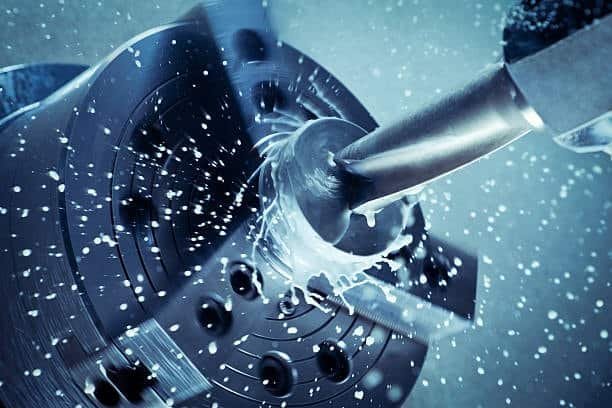
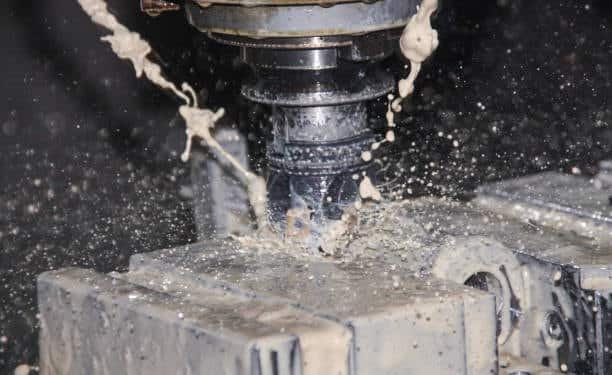
CNC milling machine cutting metal with coolant spraying at high speed
Blog

A-1 Machining Makes Custom Parts: Precision Engineering Excellence for Modern Manufacturing

A-1 Machining has established itself as a premier provider of custom machined parts through its unwavering commitment to quality, technical innovation, and customer satisfaction. By combining state-of-the-art equipment with exceptional engineering expertise, the company delivers precision components that meet the most demanding specifications across aerospace, medical, defense, and industrial applications. A-1 Machining’s comprehensive capabilities—spanning material selection, manufacturing process optimization, quality assurance, and value-added services—make it the partner of choice for organizations requiring high-precision custom parts.

Operator using CNC machinery to process parts made from machine grade ABS plastic
Blog

Mastering CNC Programming: The Ultimate Guide to Precise Manufacturing

CNC programming represents a critical link between digital design and physical manufacturing. From fundamental G-code concepts to advanced multi-axis strategies, effective programming requires a blend of technical knowledge, material understanding, and process optimization skills. As manufacturing technology continues to evolve, CNC programming increasingly integrates with broader digital systems while maintaining its essential role in translating design intent into machining instructions.

Cutting fluid applied during CNC machining to reduce heat and improve surface finish
Blog

The Essential Guide to Cutting Fluids: What Are Cutting Fluids and Why They Matter in Modern Manufacturing

Cutting fluids are specialized liquids that provide cooling, lubrication, chip removal, and corrosion protection in metalworking processes. They come in several types including straight oils, soluble oils, semi-synthetics, and synthetics, each with distinct advantages for specific applications. Proper selection depends on workpiece material, machining operation, and environmental considerations. Modern cutting fluid management focuses on extending fluid life through filtration, concentration control, and contamination prevention cutting edge. Emerging technologies like MQL and cryogenic cooling offer alternatives for specific applications, but traditional cutting fluids remain essential for most machining operations. As manufacturing continues to evolve, cutting fluid technology will balance performance requirements with increasing demands for sustainability and operator safety.

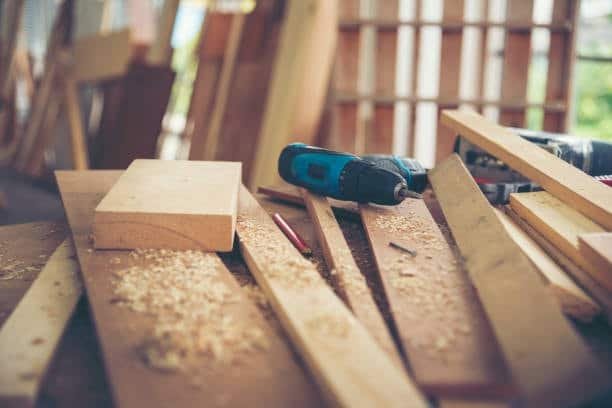
Electric drill and scattered wood planks on a carpenter’s bench
Blog

Mastering the Cutting Edge: Essential Guide to Cutting Tools in Lathe Operations

Cutting tools form the backbone of lathe machining operations, directly influencing the quality, efficiency, and economics of the manufacturing process. This comprehensive guide has explored the fundamental aspects of lathe cutting tools, including their evolution, essential components, and the various types available for different applications. We’ve examined how tool geometry affects performance, the critical parameters that govern cutting operations, and strategies for optimizing tool life. Additionally, we’ve discussed troubleshooting common problems, maintenance best practices, and emerging trends that are shaping the future of cutting tool technology. By understanding these concepts and applying them thoughtfully, machinists can elevate their craft and achieve superior results in their lathe operations.

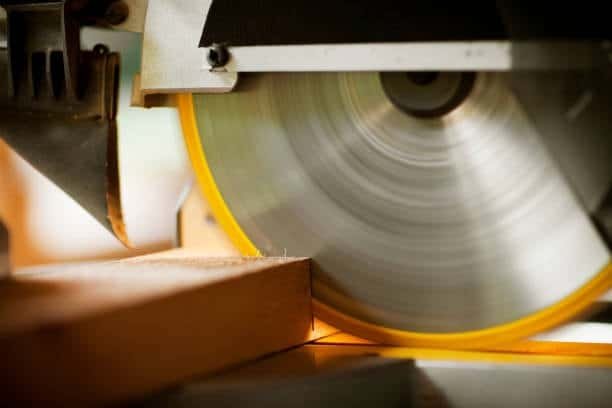
Close-up of circular saw blade cutting through a wooden board with precision
Blog

Types of Metal Cutting Machines: The Complete Guide to Modern Manufacturing Powerhouses

Metal cutting machines encompass a vast array of technologies designed to transform raw metal into precisely engineered components. Traditional machines like lathes, mills, drills, and grinders have evolved into sophisticated CNC systems capable of exceptional precision and automation. Beyond conventional cutting methods, non-traditional processes like EDM, laser, plasma, and waterjet cutting offer unique capabilities for specific applications. The integration of digital technologies, advanced materials science, and manufacturing innovations continues to push the boundaries of what these machines can achieve. Whether producing microscopic medical implants or massive industrial equipment, metal cutting machines remain essential tools in modern manufacturing, with continued evolution ensuring their relevance for generations to come.

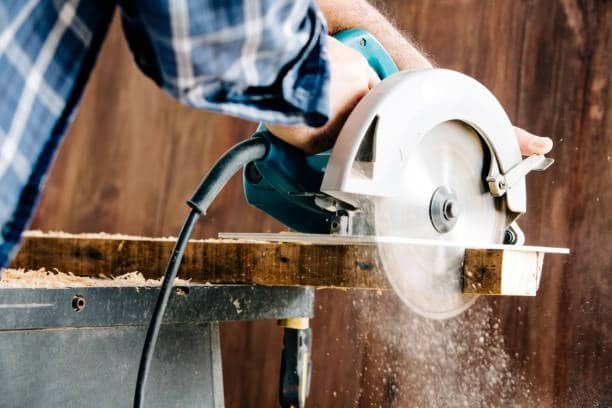
Manual circular saw in action cutting a wood board, showcasing sawdust and precision grip
Blog

Mastering Metal Cutting: How to Cut Metal Safely and Efficiently with Circular Saws

Cutting metal with a circular saw combines the right equipment, proper techniques, and stringent safety practices. By selecting appropriate saws and blades designed specifically for metal cutting, users can achieve professional results across various metal types and thicknesses abrasive wheel. The key to success lies in thorough preparation, careful execution, and consistent maintenance of equipment. While electric circular saws offer an accessible and versatile approach to metal cutting, they require respect for their power and the unique challenges of working with metal. Proper PPE, workspace preparation, and cutting techniques minimize risks while maximizing cutting precision and efficiency.

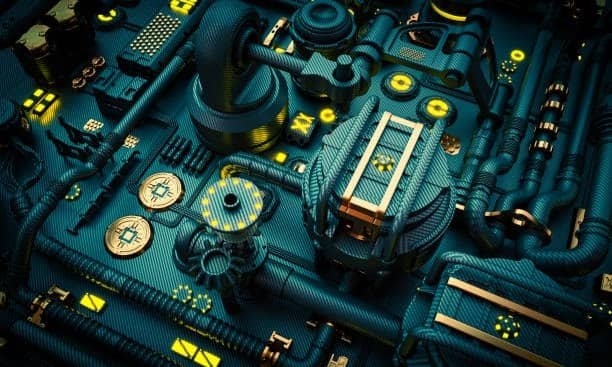
Advanced carbon fiber machine components with intricate industrial layout
Blog

Machining Carbon Fiber: Mastering the Composite Challenge

Essentially, the carbon fiber machining is a specialized method appropriate for its difficult material characteristics. Classic to the success is the selection of the tools, the scrupulous compliance to the safety requirements, and the application of refined techniques. Properly machined carbon fiber components demonstrate extraordinary performance in large numbers of high-tech industries. To sum up, this type of machining aims to overcome the unique difficulties brought by carbon fiber materials. It is important to use appropriate coated (diamond or carbide) cutting tools, to always use safety gear due to dust, and to use techniques that avoid delamination or fiber pull-out in the final product. When machining carbon fiber the right way, the result offers strong, precise, and durable components that are highly needed in various high-tech fields, including those in aerospace, automotive, robotics, and medical devices.

滚动至顶部