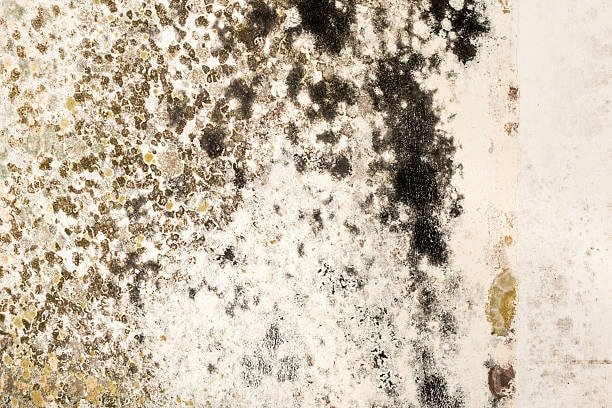
Exploring the Fascinating World of Mold Texture: Nature’s Hidden Artistry
The numerous mold surfaces vary widely from solid powdery to supple velvet and from fluffy cotton to wet slimes that each pertains to adaptations molded by ecological factors. The various textures of mold serve essential ecological purposes which include maintaining moisture levels together with distributing spores and achieving competitive market advantages. Molds in human environments serve as vital diagnostic indicators for household items and both processed and unprocessed foods and construction materials. Mold textures have double origins in practical applications and artistic origins in historical cultural practices. The scientific investigation of fungi continues to provide essential diagnostic data and investigations for food testing as well as biological discoveries. Our understanding of fungal organisms greatly expands when we study the fascinating mold structures due to their intricate and picturesque formations.