Blog

Your blog category

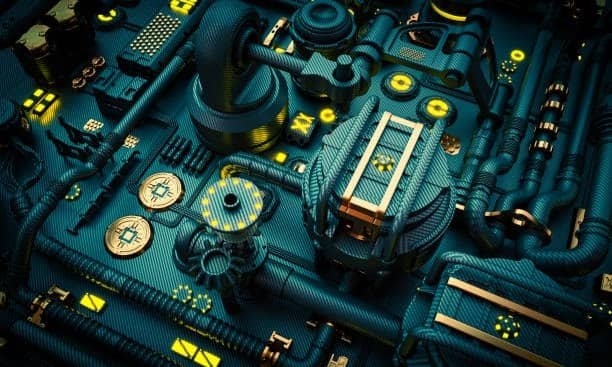
Advanced carbon fiber machine components with intricate industrial layout
Blog

Machining Carbon Fiber: Mastering the Composite Challenge

Essentially, the carbon fiber machining is a specialized method appropriate for its difficult material characteristics. Classic to the success is the selection of the tools, the scrupulous compliance to the safety requirements, and the application of refined techniques. Properly machined carbon fiber components demonstrate extraordinary performance in large numbers of high-tech industries. To sum up, this type of machining aims to overcome the unique difficulties brought by carbon fiber materials. It is important to use appropriate coated (diamond or carbide) cutting tools, to always use safety gear due to dust, and to use techniques that avoid delamination or fiber pull-out in the final product. When machining carbon fiber the right way, the result offers strong, precise, and durable components that are highly needed in various high-tech fields, including those in aerospace, automotive, robotics, and medical devices.
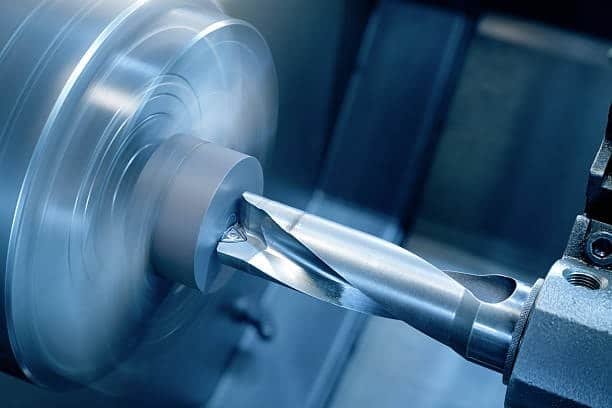
CNC turning process showing a rotating workpiece being cut by a stationary tool
Blog

Milling vs. Turning: A Detailed Comparison of Two Essential Machining Processes

Mill and turn, however, are key engineering methods that have evolved to suit different production calls. Different motions are applied in milling and cnc turning to shape complex contours and cylindrical elements respectively. In milling, a turning motion on a rotating blade is achieved while in turning, a spinning piece is used along with a stationary cutting tool. When the manufacturers realize the unique strengths and capabilities of milling and turning, including the use of cnc turning centers and cnc lathes. they can select the best strategy for the highest output with the lowest cost. Modern manufacturing is highly dependent on both subtractive manufacturing techniques and methods like cnc turning and milling. like milling and turning because each process is critical for the production of intricate components and accurate round parts, including cnc turning machines .

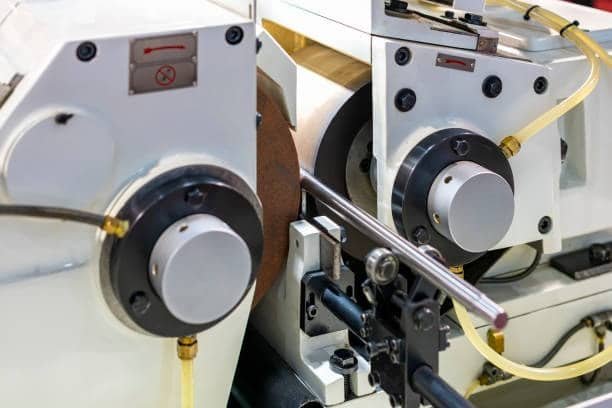
Centerless grinding machine processing a cylindrical metal bar with high accuracy
Blog

The Centerless Grinding Process: An In-Depth Exploration

Put in other words, the centerless grinding process allows the manufacture of precisely a-shaped parts without the use of default spindle or chuck fixtures, typically using a centerless grinder . The versability of the system can support different workpiece shapes and compositions within the grinding process. With guarantees of accuracy, faster production, and cost-effectiveness, the centerless grinding has an essential role in such areas as automotive, aerospace and medical devices.

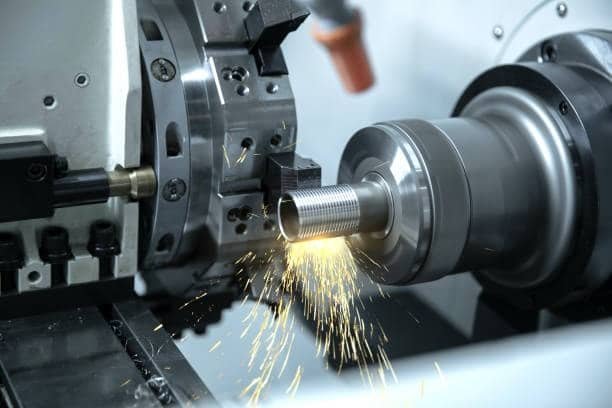
High-speed CNC screw machining with sparks during threading
Blog

CNC Screw Machining: An In-Depth Look

In simple terms, CNC screw machining offers a quick and highly accurate way to produce screws and threaded components, thanks to the reliable machines used in the process . CNC screw machining is very efficient with regards to high precision capabilities, fast production, material saving, and ability to manufacture different thread forms. Therefore, CNC screw machining using advanced cnc machines is a crucial element towards satisfying the needs of industries such as aerospace, automotive, medical and consumer electronics, where stable, specialized fasteners are needed.

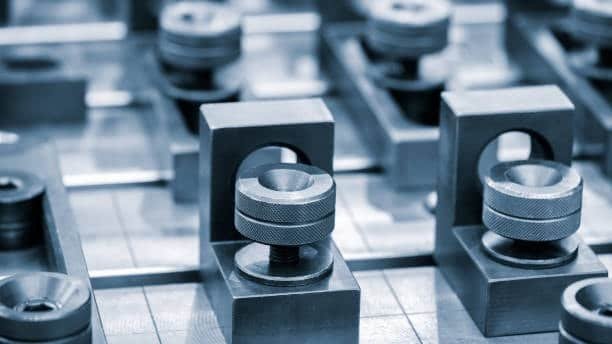
CNC fixturing blocks and clamps used to stabilize workpieces during machining
Blog

CNC Fixturing: A Comprehensive Guide to Enhancing Precision in Machining

As a whole, CNC fixturing plays a significant role in fixating workpieces prior to machining hence sustaining consistent positioning during the process involved. It is possible to gain insights into various fixturing options and design parameters that influence them to tailor the NC machining process of manufacturers for improved accuracy and lower cost as well as increased efficiency. Using the suitable fixturing for cnc machining operations brings about improved part outcomes with less manufacturing factory process complexity and better production outcome that is more productive and financially successful.

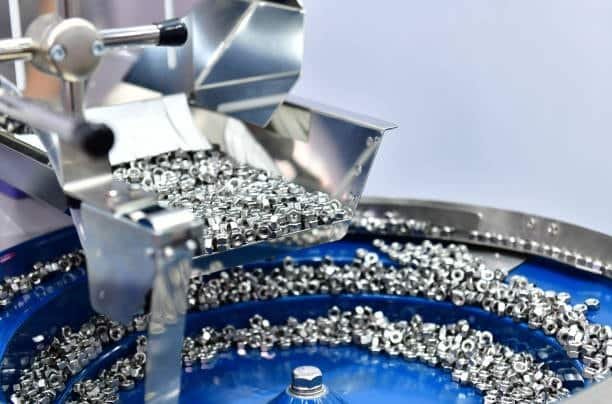
Vibratory bowl feeder sorting small stainless steel nuts for assembly
Blog

Small Parts Manufacturing: Key Techniques and Applications

In short, small parts manufacturing utilizes a wide range of approaches such as computer numerical controlled machine cutting, injection molding, die casting, and stamping to produce high accuracy and quality parts. Imperative components include the use of metals, plastics, and composites in providing parts that are tested and proven under the constraints of strength, longevity and functionality. Small parts manufacturing demand is great in such industries as automotive, electronics, medical devices, and aerospace, where the performance, accuracy, and expertise in reliability are vitally important.

Multicolored Delrin plates representing acetal plastic versatility and processing types
Blog

Delrin Material Properties: A Comprehensive Guide to Its Strengths and Applications

As overall, Delrin as a material stands out as a valuable one because of its excellent properties, including, high mechanical strength, low friction, good wear resistance, chemical stability, and thermal stability. Due to its good process ability, robust holding capacity, and capacity in delivering superior results, Delrin is applied in various fields like automotive and medical devices, increasing the life span of articles. Due to its ease of use and wide applications, Delrin continues to be a favorite commodity in industries that demand precision, reliability and efficiency.

Steel alloy plate surface ideal for hot work mold steel usage
Blog

Understanding Metal Materials: Properties, Types, and Applications

Metal materials are vital in modern manufacturing and technology in short. The wide range of their properties, the strength, malleability, and corrosion resistance makes them perfect for use in a myriad of applications within the construction industry, automotive, aerospace, and electronics and medicine. With knowledge of various materials and their unique properties, including material options available, manufacturers can determine the best of the right materials for each application.

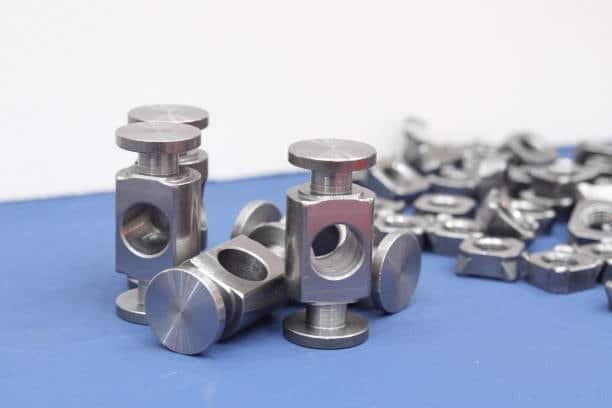
Stainless steel components machined in low quantity for mechanical fittings
Blog

Low Volume Machining: A Comprehensive Overview

In conclusion, low volume machining can help manufacturing precise high quality parts, in small quantities. Appearing in a wide range of industries—including aerospace, the automotive, the medical or in consumer electronics—low volume machining facilitates prototyping, bespoke products and small runs. Through economical production, rapid prototyping ability, the versatility to adapt, and exceptional quality, low volume machining is critical to companies wishing to engage in volume cnc machining production for specialty parts.

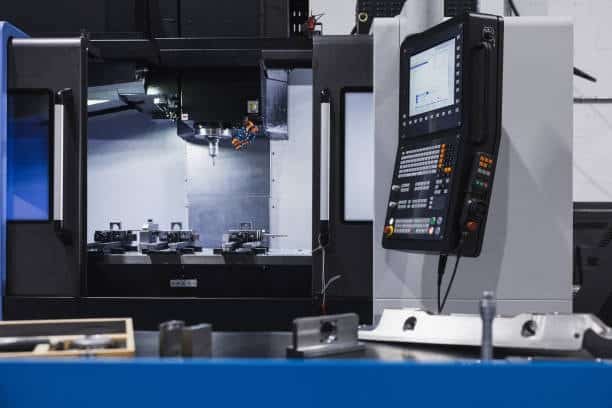
CNC machining center featuring modern control panel for automated part manufacturing
Blog

Machining Design: The Key to Efficient and Precise Manufacturing

In a nutshell machining design is a key in the process of manufacturing and one should always be careful when dealing with part geometry, materials used, the tolerances and the surface fineness. Good engineering design of machining also permits production of parts for cnc machining within a short period, with accuracy and at minimum cost. Design for Manufacturability principles can help designers to optimize the parts to be suitable for machining, the time to produce parts, avoiding mistakes, and there by producing efficient and high quality items at an affordable cost.

滚动至顶部