Blog

Your blog category

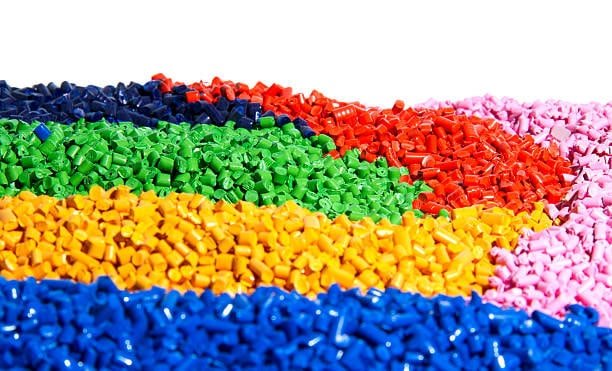
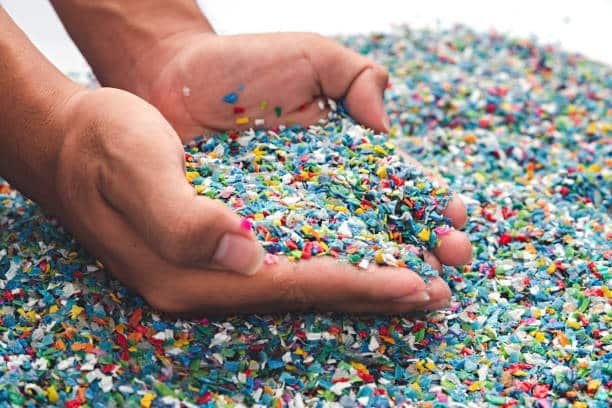
Colorful recycled plastic flakes representing mixed polypropylene and PVC waste materials
Blog

Polyvinyl chloride vs polypropylene

PVC and PP maintain distinct values as modern materials since they perform distinctive functions because of their separate characteristics. The properties of rigidity together with affordability make PVC suitable for buildings, automotive components, and industrial applications. The packaging sector together with healthcare and automotive industries rely on polypropylene because it provides effective chemical protection combined with operational flexibility and environmentally friendly characteristics. The combination of detailed knowledge about these two materials, including their temperature resistance, leads to safer products and better sustainable design solutions in application.
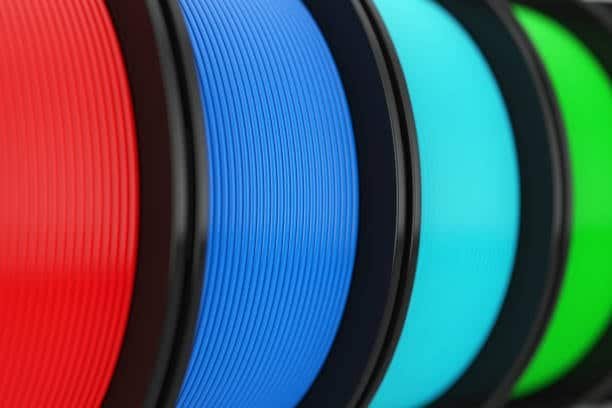
Multiple colored spools of polypropylene and polycarbonate filaments for 3D printing applications.
Blog

Polypropylene vs. Polycarbonate: A Comprehensive Comparison of Two Essential Plastics

To conclude, both polypropylene and polycarbonate have strengths, which each are suitable for specific purposes. Due to its cost effectiveness and chemically resistant/food safe property, especially for food contact applications polypropylene is perfectly suited for today’s everyday stuff. However, the superior properties and problem solving abilities of its higher cost polycarbonate make the latter preferable for its toughness, transparency, dimensional stability and resistance to impacts. Users can inform, responsible, choices as far as materials, environmental impact, durability, or even safety, by understanding what those materials have to offer and how to use it for their own specific needs.

Blog

Understanding the Different Types of 3D Printing Technologies

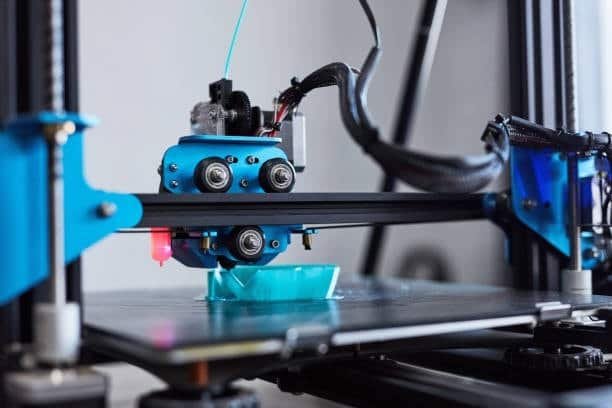
The diverse technologies within 3D printing or additive manufacturing sector operate with distinct production principles and materials which enable diverse advantages across their suitable applications, which xometry offers . Two widely used methods in 3D printing include Fused Deposition Modeling (FDM) because of its user-friendly operation and rapid prototyping, while Fused Deposition Modeling (SLA) and Digital Light Processing (DLP) represent superior resolution with resin printing capabilities.

Blog

ABS Plastic vs. Polypropylene: A Comprehensive Comparison

ABS plastic and polypropylene (PP) are widely used thermoplastics with distinct performance advantages. This comparison explains their mechanical properties, chemical resistance, surface finish, processing behavior, cost, and sustainability to help manufacturers and designers select the best material for their specific application.

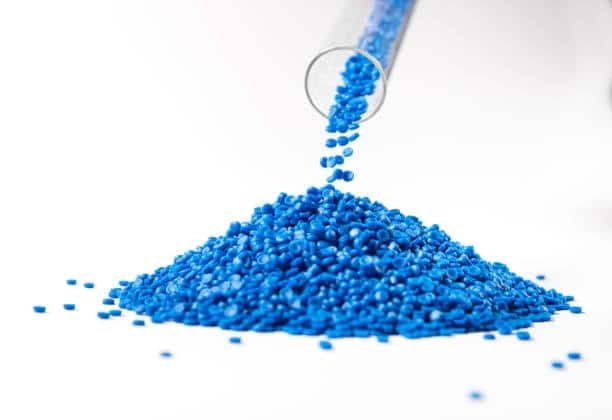
Blue thermoplastic elastomer (TPE) granules poured from a test tube, symbolizing non-toxic and safe materials.
Blog

Understanding TPE: The Safe and Sustainable Polymer for Modern Applications

The hybrid material TPE expresses rubber-like elasticity through the same process ability as plastic materials, incorporating both hard and soft phases .

TPE demonstrates ideal thermoplastic and elastomeric properties for usage in proximity to human contact because of its stable composition and hypoallergenic properties and safety standard conformity which provides suitable options for medical and childcare and food-related products.

TPE demonstrates its environmental excellence through recycling capabilities and sustainable manufacturing methods which separate it from the unsustainable PVC and silicone materials.

Blog

What Is ABS Plastic?

The manufacturing industry depends intensely on ABS plastic because of its flexibility combined with excellent characteristics in performance, even at low temperatures . The main advantages of ABS plastic include exceptional toughness together with rigidity features which makes it appropriate for durable products.

ABS delivers outstanding electrical insulation properties while being free of toxic elements and BPA and phthalates making it useful across consumer and industrial markets. Molding techniques and 3D printing systems can use ABS plastic through a moldable process for accurate and efficient manufacturing operations. ABS serves many applications in numerous polyvinyl chloride industries because it adjusts to different uses in various products from automotive components to toys, while also considering the surrounding environment . The material comes with several restrictions in its application. ABS materials have a known fire risk and exhibit environmental persistence characteristics while fume management through ventilation is necessary during production thus demanding glue stick thorough waste and safety protocols.

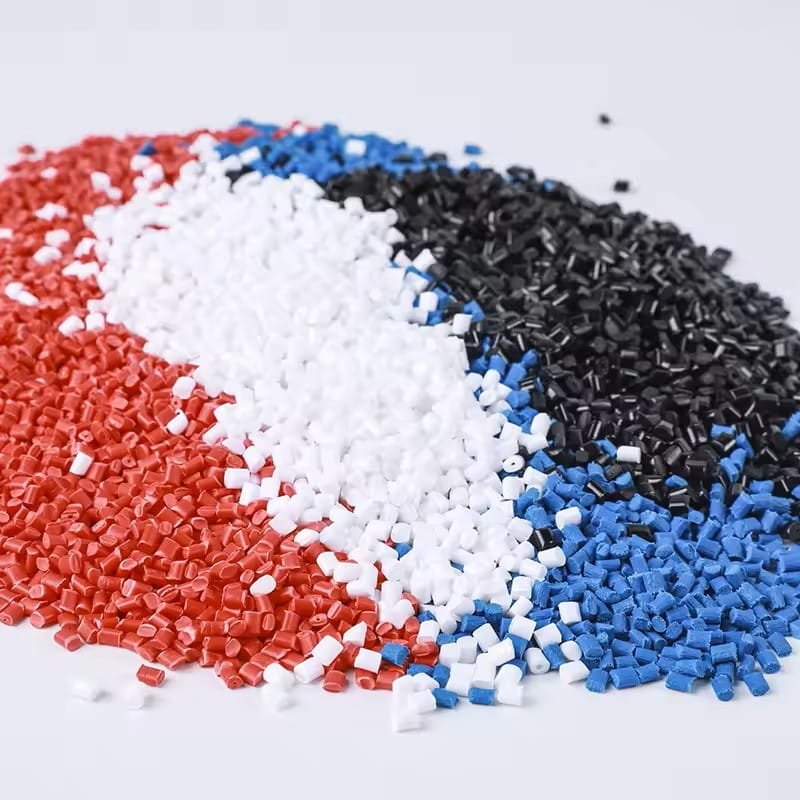
Colorful polypropylene granules in red, white, blue, and black for injection molding and packaging
Blog

Understanding Polypropylene: A Versatile and Reliable Plastic

Polypropylene works well in multiple uses because of its excellent capabilities. This material contains no BPA or toxic elements so it remains safe for contact with food and skin in various consumer products that require food or skin contact.

Polypropylene allows easy recycling together with its environmentally friendly composition which supports sustainable development efforts.

It withstands harsh conditions very well because of its high durability and chemical-resistant properties which make it work effectively in industrial spaces as well as household products.

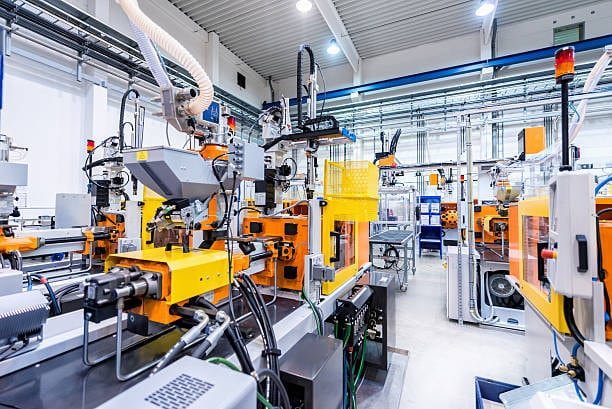
ZCS Mould injection molding factory line for cost-efficient production.
Blog

Injection Molding Mold Cost: Understanding the Investment Behind Your Plastic Parts

The cost of injection mold varies anywhere from $3000 for a simple and low volume aluminum tool up through over $500,000 depending upon hardness and number of cavities, required for high volume production. Part complexity, tool size, cavity count, material, surface finish requirements, tolerance specifications, advanced features and manufacturing location are key cost drivers. These are strategic decisions that can have considerable influence on cost effectiveness. on initial investment as well as long term production economics.

Although the initial capital expenditure is higher, making injection molding expensive compared to other methods. than other manufacturing processes, the return on investment per part, amortized over a large volume, makes injection molding affordable for manufacturing at least in the medium to large volume. To get the right cost / performance balance for their specific application, manufacturers can use design optimization, do production volume analysis, employ advanced technologies and choose the supplier that is right for them.

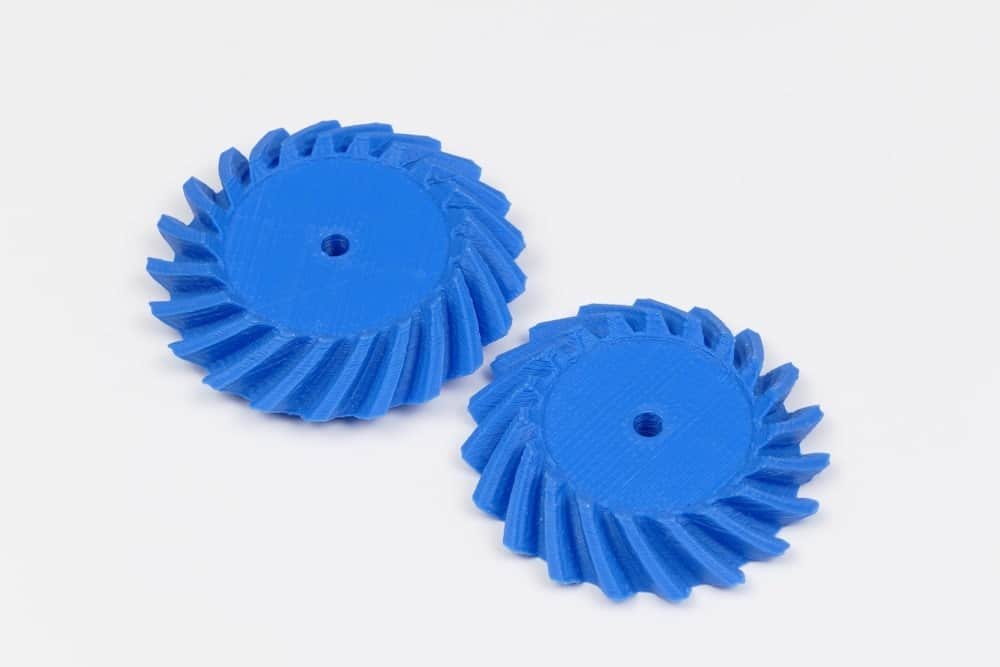
Two blue ASA plastic gears with helical teeth for industrial use.
Blog

Understanding ASA Plastic Material: Properties, Applications, and Future Potential

As weather resistance plastic material, ASA plastic material delivers excellent weatherability and excellent weathering resistance combined with excellent mechanical properties. Because of its capability of holding aesthetic and functional functionalities under severe environmental condition, it is the best option for outdoor application over automotive, construction, consumer products, and electronics industries. Despite this, still some challenges about its environmental impact, including environmental stress cracking and research continues to develop ASA as a performance leader with low environmental impact.

Colored plastic pellets used for injection molding material selection
Blog

Polycarbonate Moulding: Advanced Techniques for Superior Structural Components

The polycarbonate moulding has become indispensable in today’s manufacturing practices, that makes use of this heat resistant polymer that possesses very good impact strength, transparency and easy process ability. Starting from application of injection moulding for automotive sector for precision components to extrusion for constructions for architectural glazing polycarbonate processing, technologies have soared up with growing the more compounding stringent demands of design in respective fields of automotive, medical, electronics & constructions, especially in handling molten plastic . Rapid advancements are being made in the use of various processes such as multi-component moulding technology, gas assisted process and microcellular foam techniques this making the polymer more versatile than before. Current issues related to environmental sustainability and energy management have had an impact in some aspects of polycarbonate moulding but with consistent development in materials, processes, as well as quality control, polycarbonate moulding remains to be on an upward growth trend as a key enabling technology for the next generation products. The future points toward smart manufacturing integration, bio-based alternatives, and enhanced recyclability—maintaining polycarbonate’s relevance in an increasingly performance-driven yet environmentally conscious manufacturing landscape.

滚动至顶部