Blog

Your blog category

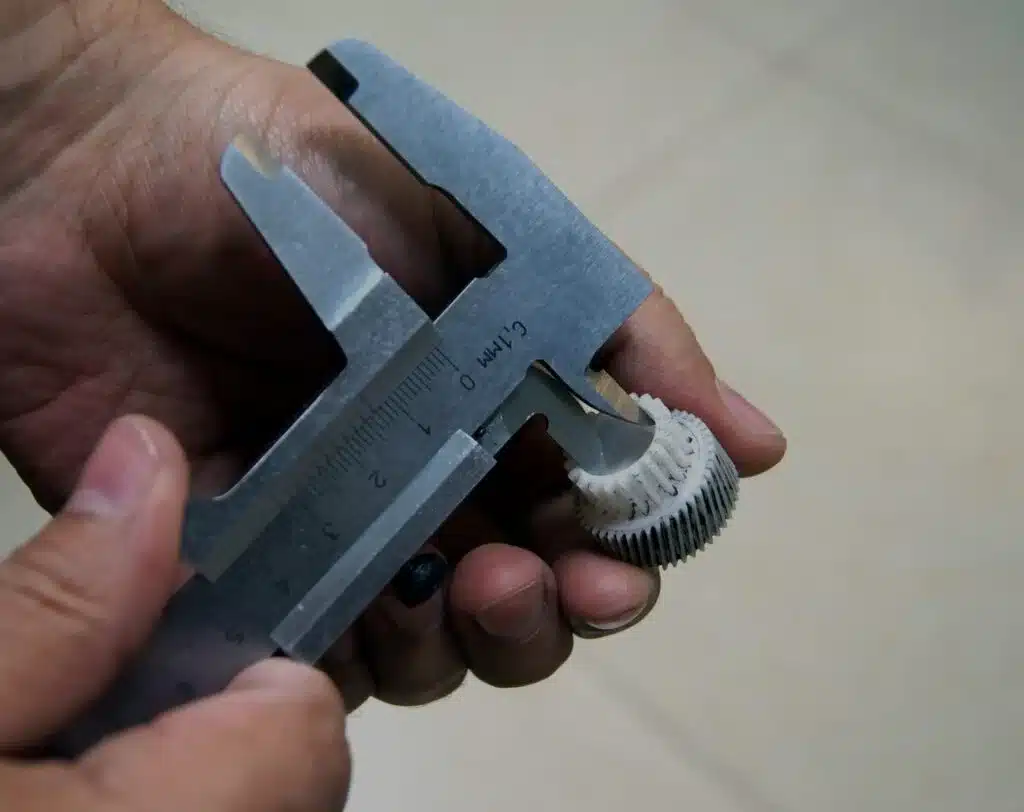
Measuring injection molded plastic gear using calipers to verify dimensional tolerance and accuracy
Blog

How Tolerances Affect Injection Molded Plastic Parts

Tolerances in injection molded plastic parts are influenced by tooling quality, material behavior, and process stability. This article explains how tolerances are achieved, why functional tolerances matter more than nominal values, and how OEMs can specify realistic requirements for reliable production.

What Are Precision Mold Components Types Functions and Applications
Blog

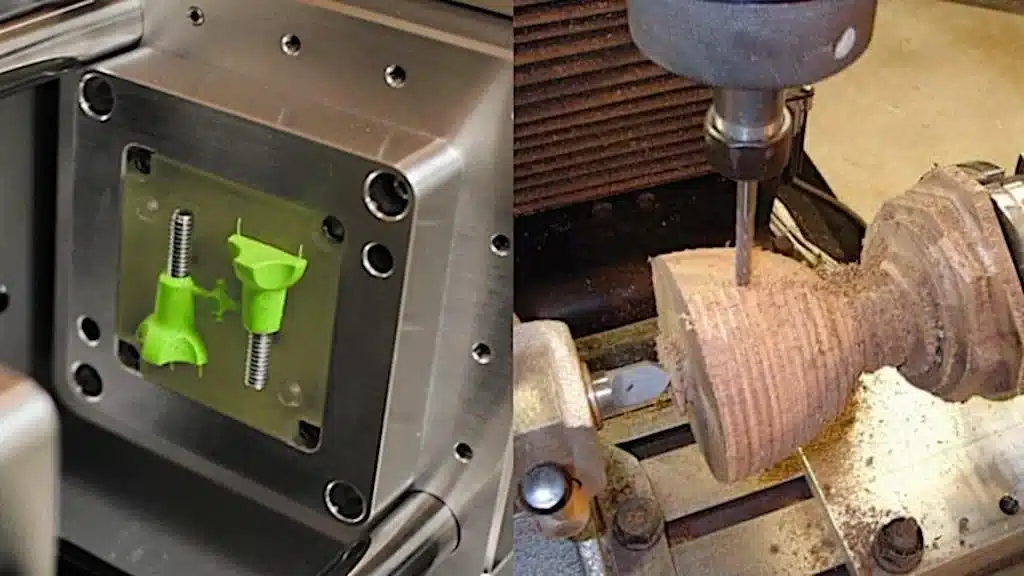
What Are Precision Mold Components? Types, Functions, and Applications

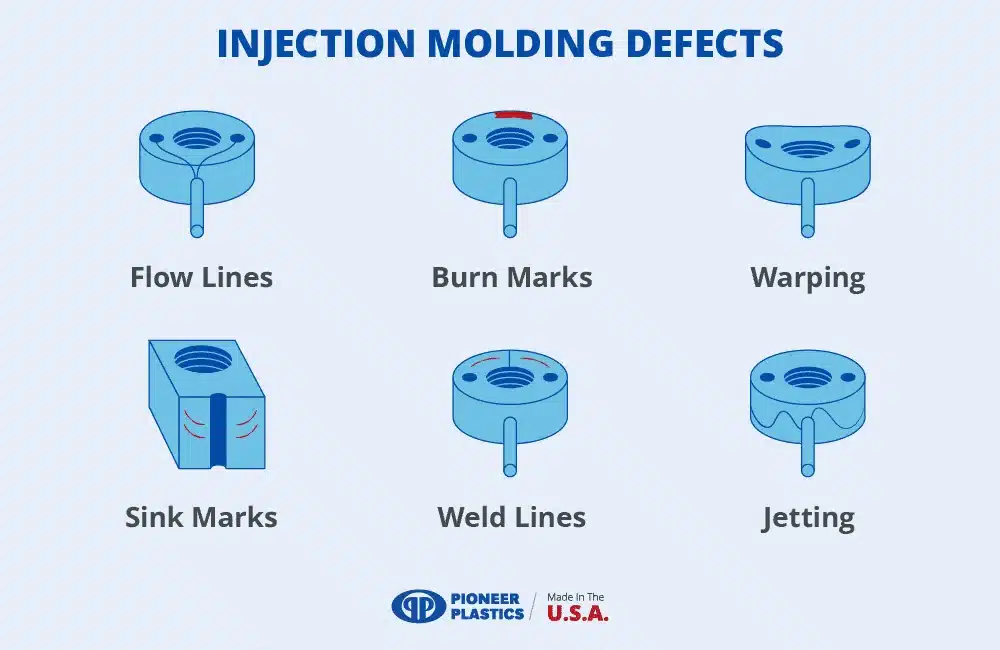
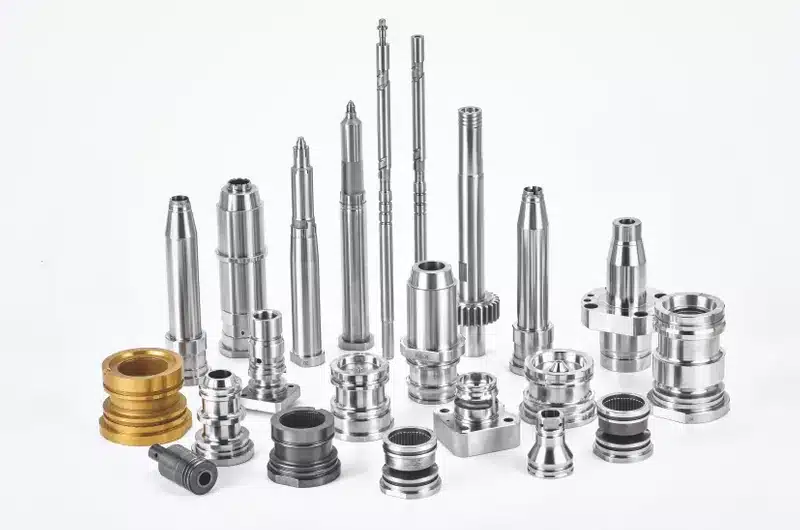
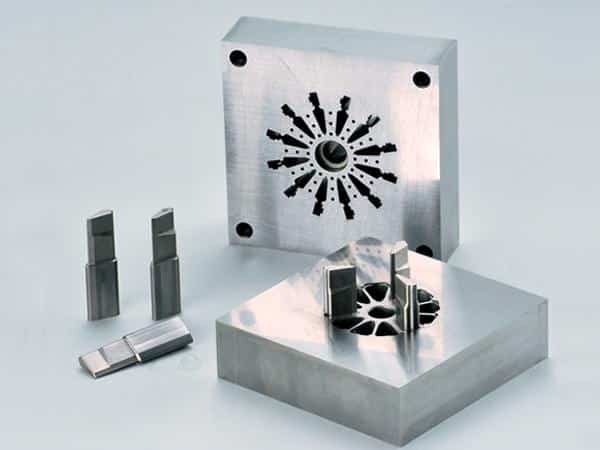
Precision mold components are critical to injection molding performance, but not every component requires the same level of accuracy or manufacturing approach. This article explains what precision mold components truly are, how their functions affect tooling performance, and how engineers and OEMs should evaluate precision requirements based on real application needs rather than assumptions.

Blog

What’s Anodizing: Your Essential Guide

Anodizing is an electrochemical process that transforms the surface of metals—especially aluminum—into a durable, corrosion-resistant oxide layer. This guide explains how anodizing works, the differences between Type I, II, and III anodizing, key benefits, limitations, and how to choose the right process for engineering and manufacturing applications.

Blog

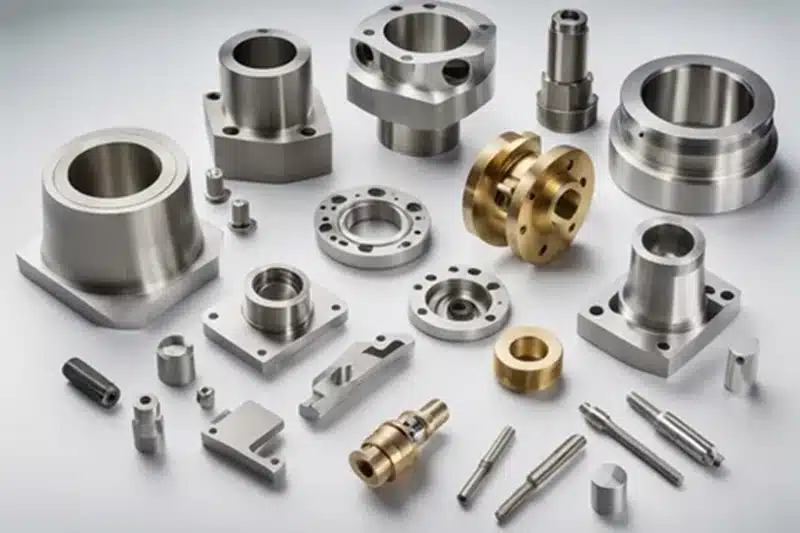
6061 vs. 6063 Aluminum Guide – Strength, Finish, and Uses Explained

Choosing between 6061 and 6063 aluminum can significantly impact strength, surface finish, and long-term performance. This guide breaks down their mechanical properties, corrosion resistance, extrusion behavior, and typical applications to help engineers and designers select the right alloy with confidence.

滚动至顶部