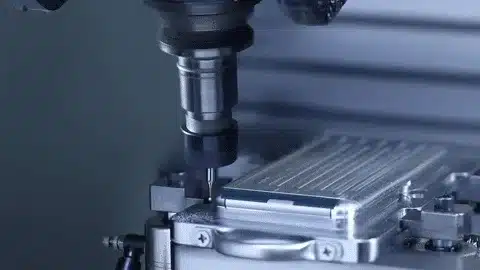
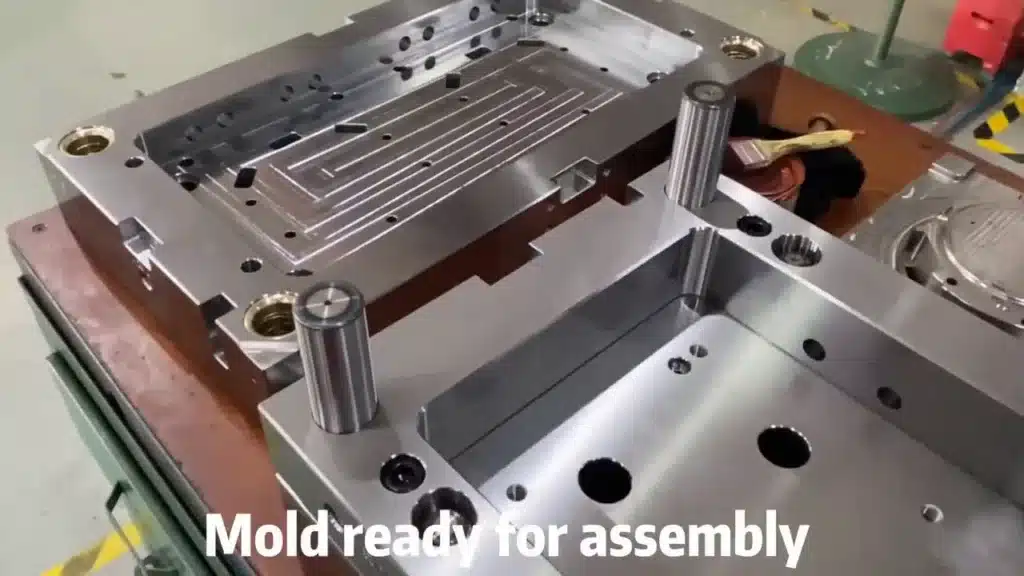
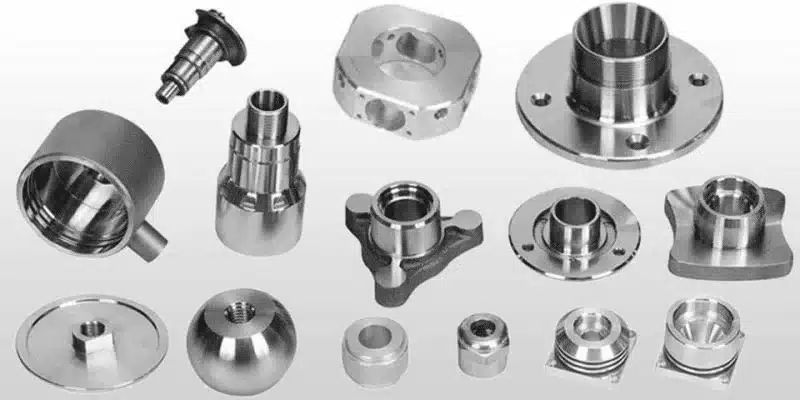
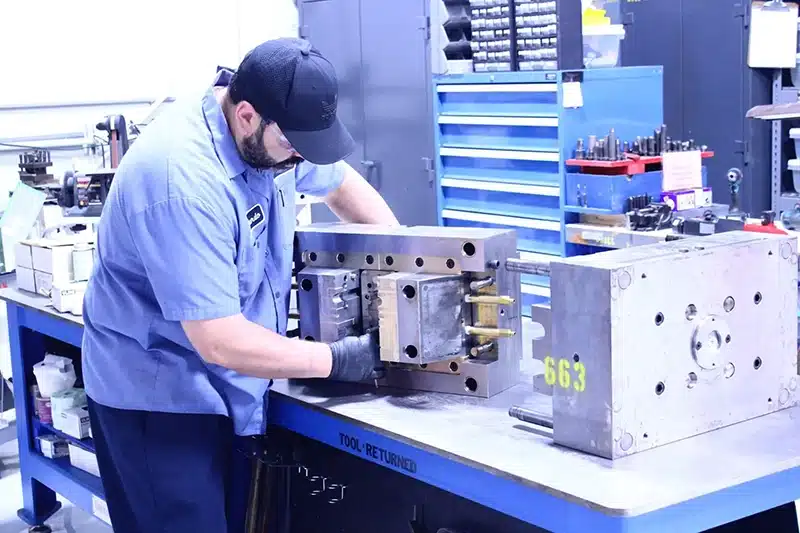
EMD machining is essential in operations to manufacture accuracy mold elements in where complicated geometry, hardened machinery, and precision surpass the achieved limits of standard cutting. We have been able to work with injection molds of automotive, electronics and medical customers, during our years of work with an injection mold process, it has been realized time after again that EDM machining can be used to produce these precise mold components, which would have been considered unproductive with the traditional cutting techniques alone. During conventional CNC milling, the method is applicable with ease in roughening out the shape when using a softer stock, but, as the material approaches 50+ HRC subsequent to heat treatment, or when deeper ribs, sharp inner corners, or narrow cuts are involved, then the tool used becomes deflected, fractured, or, in any case, unable to access the necessary depth without injury to the accuracy. That is where EDM comes in to play as a standard process material where final features need to be repeated to only a few mics.
Why EDM Is Essential for Precision Mold Components
Practically in the fine art of the mold shops, EDM is not a choice but sometimes is the only sure method of serving the needs of modern day precision molded parts.
The mold components should be able to perform regularly over thousands or millions of cycles, so tolerances are normally maintained at of 0.005 mm up to 0.01 mm, the surfaces should facilitate good venting and release, and features should be perfectly aligned after assembly. When a hardened tool steel, such as H13, 1.2344 or SKD61, is heat treated to harden against wear, the normality of the tool is provided, but the hard cutability of the traditionally hard tool becomes difficult. Elaborate internal geometries, such as deep holes, fine ribs, or undercuts are additional limitations on tool access and force.
EDM supplements CNC machining strategy using these difficulties as the non-contact, spark removal-erosion. It cuts through material through regulated electrical discharges, which removes cutting forces, vibration, and tool deflection.
To provide a brief comparison of the common mold requirements and the reason why they are tackled by EDM, the following is a list of typical requirements:
| Mold Requirement | Why EDM Is Needed |
| Hardened materials | No cutting force – machines post-heat treat without distortion |
| Complex cavities | Excellent internal access via shaped electrodes or wire paths |
| Tight tolerances | Stable, controlled erosion for ±0.002–0.01 mm precision |
| Repeatability | Consistent results across batches, no tool wear variability |
Typical Mold Components Machined by EDM
In the general production of molds, some parts virtually always pass through EDM due to the geometry of the parts or material condition.
We distinguish Sinker EDM (also referred to as ram or die-sinking EDM) and Wire EDM, depending on the type of feature. In the Sinker EDM, a specially shaped electrode (typically copper or graphite) is used to sink a form or cavity, and is typically used in 3D profiles. Wire EDM is a kind of cutting with a fine profile with help of thin and thin wire made of brass or molybdenum, ideal straight cuts or contours.
Common examples include:
| Mold Component | Preferred EDM Method | Typical Reason |
| Core and cavity inserts | Sinker EDM | Complex 3D geometry, deep ribs, sharp corners |
| Slides and lifters | Sinker EDM | Undercuts, intricate moving features |
| Punches and dies | Wire EDM | Precise through-cuts, narrow slots, burr-free edges |
| Ejector plates and inserts | Wire EDM | Accurate holes, slots, and perimeter cuts in plates |
An example is a multi-cavity injection mold; here, the core/cavity blocks have been roughly machined on CNC, heat treated and burnished with sinker EDM to add finer details such as lettering, textures or cooling channels that are not regularly reachable from the miller.
EDM Machining Workflow in Mold Manufacturing
Within a standard mold shop, EDM is never the beginning of the process, it is combined as an intuitive finishing or feature-cutting step following the rough-up and hardening process.
Typically this list would proceed as follows: CNC rough machining of the blank, heat treatment to desired hardness, semi-finishing (when necessary) of critical features, EDM, final polishing or benching, inspection and assembly. Such a combination is the most efficient one: CNC is used to eliminate the bulk as fast as possible and EDM is utilized to process the details that have to be distorted to zero and deliver high precision.
To examine the parameters of the process in greater detail, electrode preparation and flushing strategies that render this reliable, see our guide on the typical EDM machining workflow.
Key Benefits of EDM for Mold Component Manufacturing
The practical benefits of EDM in mold working are reduced to the capability that has a direct effect on tooling performance and life cycle of the tool.
No mechanical stress is removed through non-contact removal, resulting in hardened components being flat and without induced distortion. Precision is repeatable since erosion is repeatable and predictable, and often in critical dimensions tolerances are tighter, in the 0.005 mm range. Acute internal corners (to R0.05 mm or less) and sharp features are possible without interference of tools.
Practical impacts include:
| EDM Benefit | Practical Impact on Mold Components |
| Non-contact machining | No stress or distortion in hardened steel |
| High precision | Accurate part fit and alignment in mold assembly |
| Complex geometry | Enhanced mold functionality (better flow, venting) |
| Stable repeatability | Reliable mass production with consistent cavity quality |
These advantages minimize the time spent on secondary polishing and assist molds to have longer service life with minimum flash or parting-line problems.
EDM vs Conventional Machining in Mold Applications
The heavy work in the mold making is mostly done on conventional CNC machining, which is used to rough blocks, machine outer contours, drill cooling lines, but it is limited very quickly.
CNC is adequate (and accelerated) in open forms in pre-hardened material, where accessibility to the tools is excellent and tolerances are less strict (±0.02 mm or greater). EDM is required where there are hardened stock operations after heat treatments, sharp internal angles, deep ribs (>5:1 depth-width), narrow slots (<1 mm), or deep internal angles. As with practice, the vast majority of precision molds are a hybrid technique: CNC with something between 70 and 80 percent removed, EDM with the remainder.
Design Considerations for EDM Machined Mold Components
The process of good DFM of EDM begins in the design stage to prevent unwarranted problems and expenditure.
The design of the electrodes is as important with sinker EDM – characteristics must provide adequate approach of the electrode without shorting and deep moving hollows must enable efficient dielectric flushing of the debris. The presence of excessively sharp corners, when not required, can hurt the electrode, slight radii can assist. In the case of wire EDM, internal cut starting holes are provided and consistency of wall thicknesses are maintained in order to reduce wire deflection.
We have found that designs with electrode size and flushing paths and overburn allowances (typically 0.01-0.03mm per side) machine quicker and more precisely, leading to reduced lead time.
Conclusion — EDM as a Core Process in Precision Mold Manufacturing
EDM is still used to enable the accuracy of molding processes especially parts that challenge limits of geometry, hardness and precision. Instead of being a discrete approach, it is combined with CNC, and other processes without any problems to provide the precision and consistency that contemporary injection molds require. Where the parameters that mold engineers are required to specify are those that prove to be difficult in the traditional methods, EDM has a way of making such issues routine and repeatable.