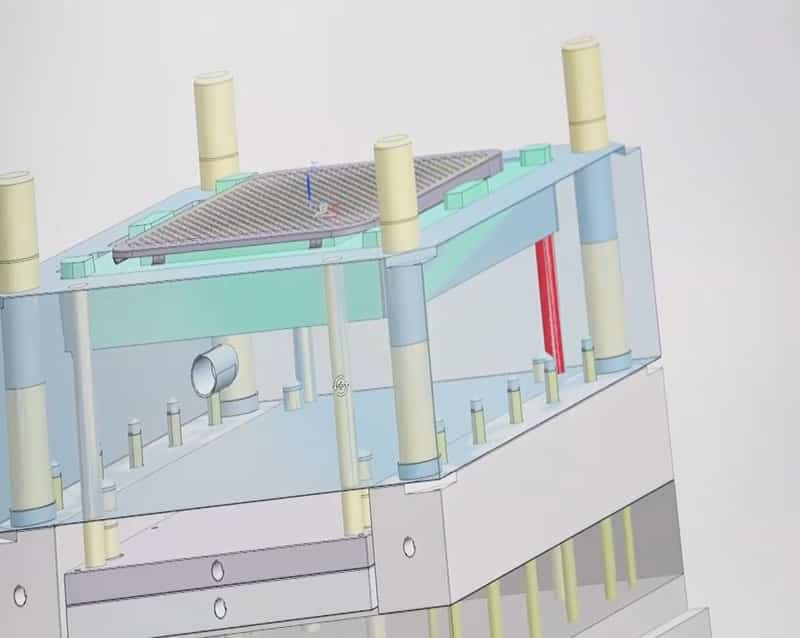
It is the case because injection mold design has an potent effect on both the quality of parts and the total cost of manufacturing, perhaps much greater than buyers would expect, due to the fact that it defines the underlying rules upon which parts take shape and behave. Adjustment of machines, or of the material, may only do so much to improve the situation, since it cannot undo the geometry or flow dynamics of the mold. Most consumers tend to presume that the problem of quality in part is due to the molding parameters or materials when in practice the problem can be usually due to the choice of the mold design.
The design of injection mold closes the potential of quality and cost structure of the initial part before it is molded. The choice of design determines the quality of parts and the manufacturing cost way before production is started. To allow you to evaluate the decisions related to the design of the moulds better, we are going to explore the cause and effect relationships.
Why Mold Design Is the Primary Driver of Part Quality
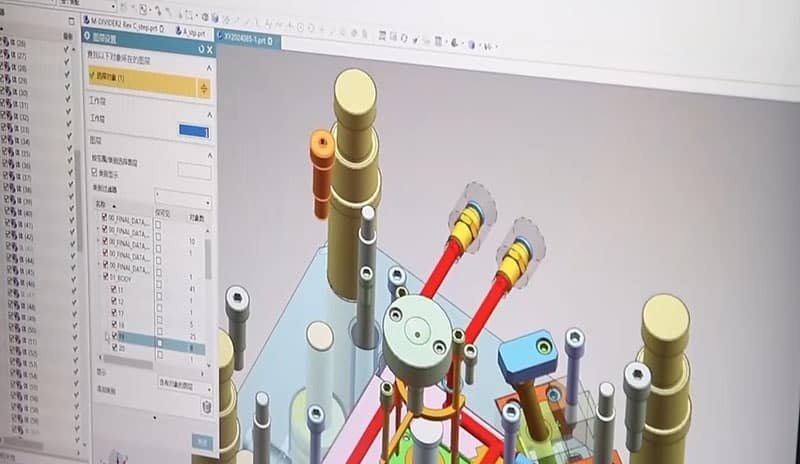
The design of the mold determines the roadmap of individuals to be formed, where decisions in geometry, flow directions, cooling, and ejection determine the level of quality that is feasible. During my advisory practice, I discovered that even sophisticated molding machines are not enough to overcome design fundamental defects.
How Geometry, Flow, Cooling, and Ejection Are Defined at Design Stage
Geometry tolerances and features, flow defines fill balance, solidification is determined by the cooling controls, and clean release is ensured by ejection is all set in stone in the design, and affects defects such as warpage or flash.
Why Machines and Process Tuning Can Only Correct Minor Issues
Machines maximize what can be done within the confines of the mold; significant problems such as poor cooling are fixed by changing the design. A competent supplier of moulds should be engaged to work together so as to work with an experienced mold manufacturing partner who integrates quality considerations from the start.
How Mold Design Decisions Translate Into Manufacturing Cost
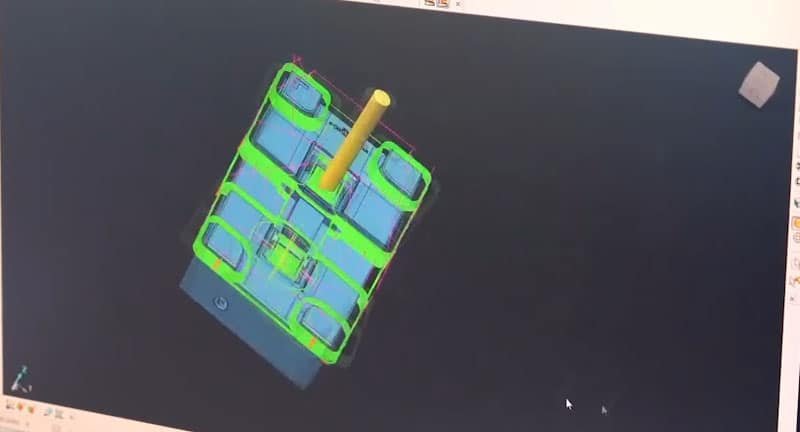
The design of molds is directly associated with the economic feasibility of production, with complexity leading to tooling costs and efficiency to the current costs. Incorrect decisions in this area have multi-faceted impacts that I have followed in a number of cost audits.
Relationship Between Design Complexity and Tooling Cost
Complex shapes such as undercuts or multi-cavities take more time to machine and consume more material making them more expensive upfront without a commensurate value unless volume justifies the expense.
How Poor Design Increases Rework, Scrap, and Cycle Time
Asymmetrical gates cause scrap due to defects and the lack of cooling increases the number of cycles, increasing energy use and human labor. This highlights the importance of the custom injection mold design process to align design with cost realities.
Key Mold Design Elements That Affect Quality and Cost
Some aspects of mold design have disproportionate impacts on quality measures and costs systems, and need to be carefully considered to compromise. These are the areas on which decisions are dividend or liability making, based on the patterns of previous projects.
Wall Thickness Consistency
Even filling and cooling improve uniformity of walls and lessen warpage; nonuniformity creates sink marks and increased scrap.
Draft Angles
Sufficient draft promotes ejection, avoiding damage; under cutting angles cause wear to mould and intermittency.
Gate Location
Placing them well will allow a balanced flow with minimum cosmetic defects; bad decisions will lead to rework.
Cooling Channel Layout
Efficient cooling maintains dimensions and reducing cycles; poorly designed designs are unstable and take longer.
| Design Element | Quality Impact | Cost Impact |
| Uneven wall thickness | Warpage, sink marks | Higher scrap rate |
| Insufficient draft | Ejection issues | Mold wear, downtime |
| Poor gate placement | Flow defects | Cosmetic rework |
| Inadequate cooling | Dimensional instability | Longer cycle time |
This table highlights the interconnected injection mold design impact on outcomes.
Why Mold Design Errors Lead to Common Defects
The existence of defects in the molded parts is often an indication of the design decisions made upstream and not explicit mistakes in the production process because the architecture of the mold will limit what is possible. Tweaks on the process can help cover the problems in the short term, although the underlying causes remain.
How Defects Are Symptoms of Design Decisions
An example of this is that it is the poor design of runners that result in short shots and improper parting lines, which leads to flash, which can be attributed to design.
Why Process Adjustments Rarely Eliminate Root Causes
Such changes as pressure increase may make things a little better, but at the cost of stress on the mold, which enhances wear. Real fixing may need design-level fixes, which places much importance on the designs of the mold design defect prevention strategies.
Short-Term Cost Savings vs Long-Term Manufacturing Cost
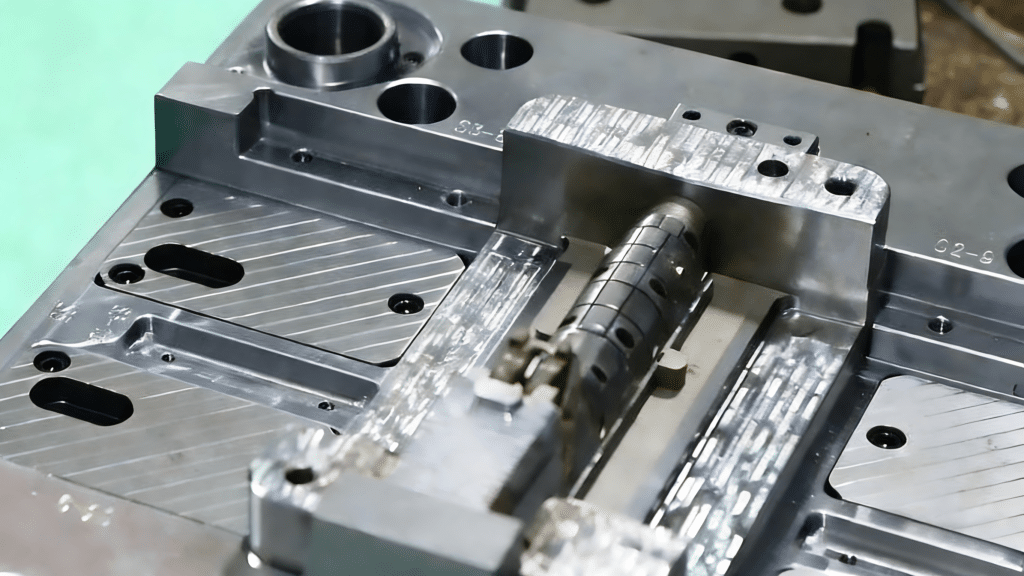
Attempting to seek short-term savings by simplifying designs tend to increase the costs in the long-term since sacrifices negatively affect the efficiency. I have estimated the total ownership cost in the trade-off where this trade-off was damaging.
Why Cost-Driven Design Compromises Increase Lifecycle Cost
The trimming down of features to reduce tooling quotes may save in the short-term but will increase the costs per part due to inefficiency or failure.
Difference Between Upfront Tooling Savings and Total Cost of Ownership
Upfront is concerned with the cost of buildings, whereas ownership costs cover the maintenance, scraps, and downtimes- in which case the strong designs perform well.
| Decision Focus | Short-Term Result | Long-Term Outcome |
| Minimize tooling cost | Lower quote | Higher rework cost |
| Simplify cooling | Faster build | Higher cycle time |
| Reduce steel quality | Lower upfront | Shorter tool life |
This comparison reveals mold design cost factors over time.
How OEMs Should Evaluate Mold Design From a Cost-Quality Perspective
OEMs are able to reduce risks through evaluating designs on dual cost and quality lens whereby their attentions are centered on results which forecast performance measures. This has been used to analyze my teams to balance the results.
Functional Tolerance vs Cosmetic Tolerance
Also focus on tolerances depending on the functionality of the part: tight when critical, looser when aesthetics are important, so as to avoid over-complicated tolerances, and over-expensive tolerances.
Cost-Per-Part Thinking
Divide the costs per volume of the expected volume taking into consideration the cycle time and the design-dependent scrap rates.
Risk of Post-Tooling Changes
Expect that post machining modifications are very costly and thus prove the design before hand.
Common Misunderstandings About Mold Design and Cost
A number of misconceptions are used to warp the perception of mold design, resulting into poor choices. The solution to these makes the real control levers.
Better Machines Fix Poor Design
Good designs can only be enhanced with advanced equipment which cannot deal with underlying flaws such as uneven flow.
Design Changes Are Easy After Tooling
The invasive nature of post tooling changes is costly in the long-term making it significantly expensive than the short-term savings.
All Mold Designs Have Similar Cost Impact
Designs are not all equal; those that are optimized make the long-term costs lower by improving quality and uptime.
Conclusion — Mold Design Defines Both Quality and Cost
Finally, the structure of an injection mold establishes unrestrictible limits to what can be done in a production process where quality limits and cost limits are predetermined. The design will shape the most essential step in controlling costs and quality since the choice of the injection mold design will set the limits of part quality and the limits of manufacturing cost. With the focus on analytical assessment at an initial stage, OEMs can help develop designs that would facilitate dependable and cost-effective work throughout the life of the mold.