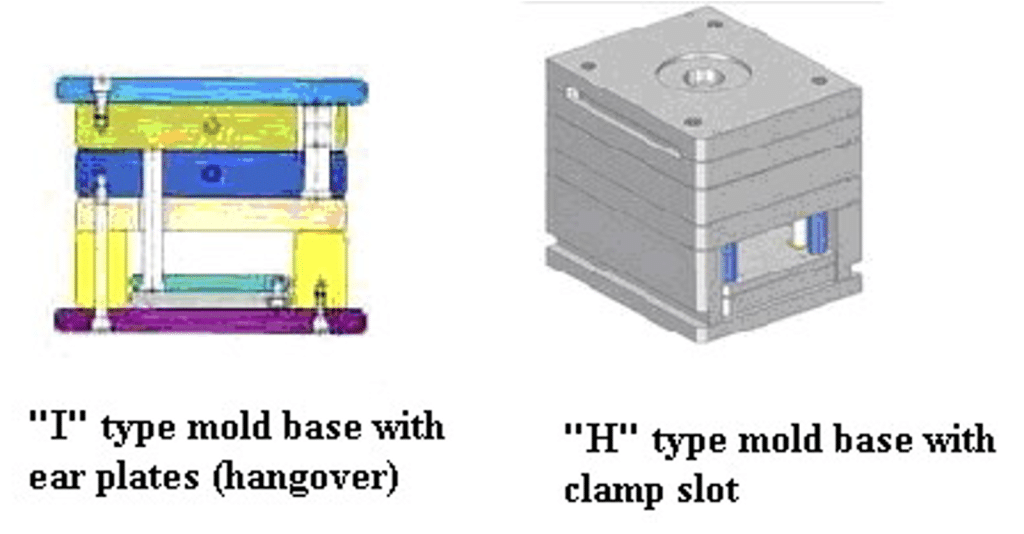
The mold base tends to be the forgotten part of injection molding, as compared with more visible parts of a mold such as cavities and cores. Nevertheless, the quality of mold bases dictates whether the mold will be able to be accurate, stable, and consistent in the course of its service. This basic component affects all the performance phases of molding, both in the starting set-ups and in the sustained production cycles. Most buyers believe that the mold bases are universal standard components when in reality they dictate the alignment, rigidity and structural integrity. The quality of the base of the mold determines structural boundaries in which the mold will be reliable, and a failure to consider this can cause a domino effect that will cause the failure of the whole system.
Being a seasoned mold engineer who has had many decades of experience in troubleshooting tooling-related problems, I have witnessed how simple bottom-level problems can be camouflaged as design or process problems. This article divides the mechanics of the mold base quality factors that can impact mold performance basing on the structural concepts and practical findings to inform the OEM engineers, toolmakers, and quality managers.
Why Mold Base Quality Is Fundamental to Mold Performance
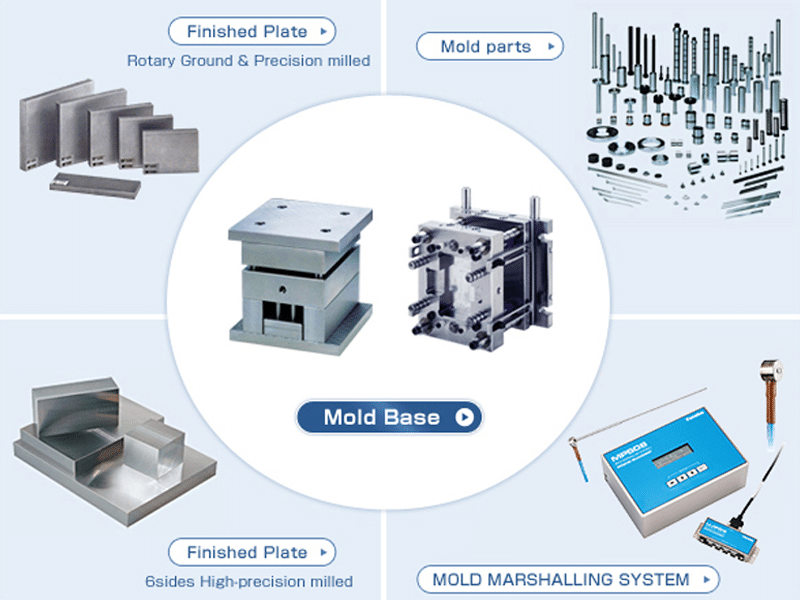
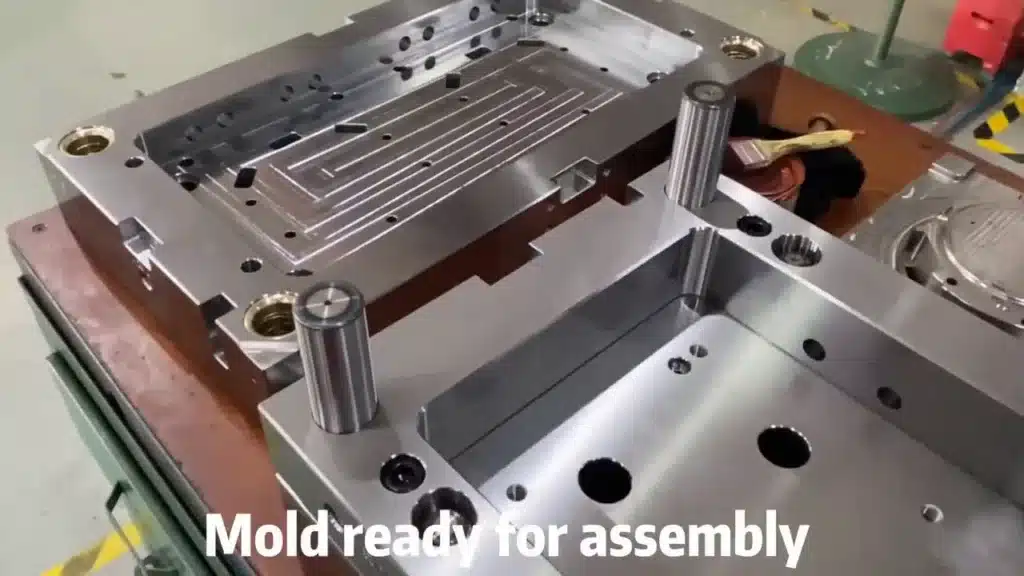
The quality of mold base is the foundation of the predictable operation of the mold, which predetermines all further indicators of performance. Primarily, the mold base serves as the carrying framework as in the case of a building. It holds the load of the mold parts, takes the pressure of clamping and injection and makes the whole mold a unit with its functionality.
The Role of Rigidity in Dimensional Control
Elasticity of the base of the mould is vital in ensuring dimensional control in the presence of operational stress. A stiff base will not bend due to the injection cycles with a high pressure, which will ensure that the shift will not cause a change in the size of the cavity. As an example, in high volume production, a slight flexing can add up to thousands of cycles which results in a variation in the size of parts. That is why the quality of injection mold base is a direct dependence on the quality of mold performance stability – the lack of rigidity increases vibrations and temperature expansions, and this reduces the accuracy, as time goes by.
In my case, pre-hardened steel bases having even distribution of hardness are much better than the ones having varying material characteristics. To ensure that the risk of warping is reduced, when considering suppliers, seek signs of stress-relieved materials.
Interconnection with Other Mold Elements
The base of the mold does not work in isolation but the quality of the base determines the interaction between the cores, cavities, and ejector systems. An excellent base is a guarantee of good distribution of the load, decreasing uneven wear and increasing the working time of the mold. This is especially noted in multi-cavity molds, which tend to be stable at the base and as such, imbalance that might cause flash or short shot is avoided.
To the players in the high-quality mold base manufacturing, these interconnections are important in ensuring that one does not have to pay high redesign costs.
Mold Base Alignment and Tolerance Stability
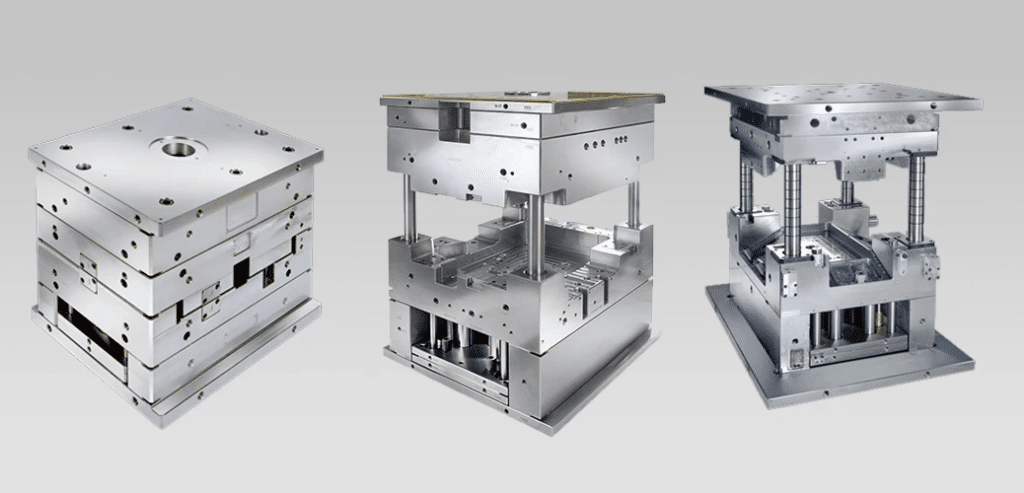
Mold base alignment is critical in maintaining stability of a tolerance within production cycles since any slight asymmetry may spread the errors across the mold. Features like guide pins, bushings and locating rings need to be machined with precision down to the micron level in order to keep the relative locations of the halves of the mould constant.
Impact of Machining Accuracy on Cavity Relationships
Machining precision in the base of the mould is high so that the cavity is parallel and centred when closing and opening. When the base is not straight under the load pressure, e.g. when it is not flat or parallel the relationship between cavities may change resulting in dimensional drift of the molded parts. This occurs frequently in molds that are going to run with high temperatures and in that case thermal expansion will increase any misalignment present as a result.
Structural mechanics Structural Considering structural mechanics, the alignment of the mold base is directly proportional to the capability of the mold to hold tolerances. Bases that are designed to be flatter (usually less than 0.01 mm/m) offer an artificially stable platform, and the chances of progressive loss of tolerance are reduced.
Consequences of Base Distortion
Cavities may drift over time due to distortion of the mold base usually due to uneven heat treatment or residual stress. This not only impacts the geometry of the parts, but it also yields higher wear to parts that are sliding, and decreases the time between maintenance shutdowns. In precision, e.g. electronic or medical equipment, this instability may make the mold unusable much earlier than anticipated.
Engineers need to look further into mold base tolerance stability, the question of stability to mold base tolerance by looking at the interactions between these factors and the overall design tolerances.
| Mold Base Condition | Tolerance Outcome |
| High rigidity & alignment | Stable dimensions over extended cycles |
| Marginal flatness | Progressive drift in part tolerances |
| Uneven hardness | Misalignment and accelerated wear |
This table demonstrates that varying conditions of the base conditions of the molds results in different tolerance behaviors, and therefore quality investment in the beginning is necessary.
How Mold Base Quality Affects Part Consistency
Quality of the mold base has a significant effect on the consistency of the parts since it determines the manner in which loads are introduced during the injection process such that uniform pressure distribution is achieved throughout the cavities. The lack of uniform support by a poor base may cause a variation in fill rates, cooling and ejection leading to batch-to-batch variation.
Load Transfer Mechanisms in Injection Molding
Clamping forces will be absorbed and distributed by the bottom of the mold during injection and these forces should be evenly distributed to avoid warpage or incomplete fills. This balance is ensured by a hard bottom that enables stabilized melt flow and solidification. On the other hand, a base that is not very rigid could be bent under stress, resulting in asymmetric pressures in cavities and defects such as sink marks or dimensional differences.
This is of particular concern in high-cavitation molds where rigidity of the mold base has made sure that all cavities are subjected to the same conditions, which promotes uniformity of parts to parts.
Sources of Variation from Inconsistent Support
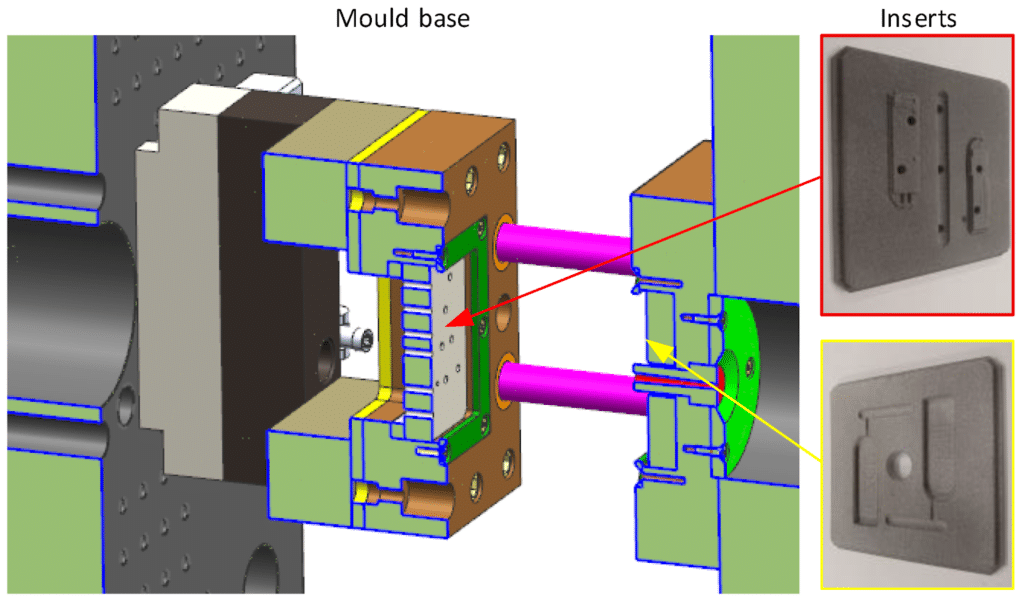
Poor design of base support or material inconsistency can cause inconsistency in the base support in places like insufficient ribbing or variations in thickness. These problems are capable of increasing thermal gradients, resulting in the warping of parts after ejection. This in the long run undermines the efficiency of production, as operators are forced to make changes in response to this, to offset it, which often fails.
The investigation mold base quality and part consistency parts demonstrate that a significant portion of the consistency issues can be traced back to structural weaknesses in the foundations instead of resin or machine settings.
Mold Base Durability and Its Impact on Tool Life
The mold base durability also forms a significant factor in determining the tool life due to the fact that it dictates the resistance of the mold to fatigue, deformation, and wear during the repeated cycling. The beds made of quality materials and that have been heat-treated can withstand millions of shots without major damages.
Identifying Wear Points in Mold Bases
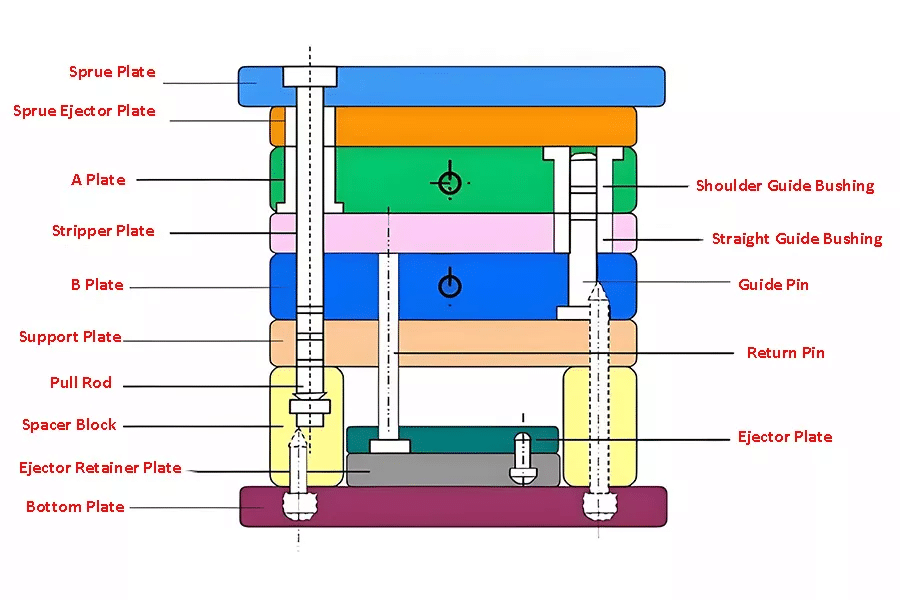
The friction and impact are concentrated in common wear points such as guide pillar interfaces, ejector plate guides and clamping surfaces. This is alleviated by a robust base with vulcanized inserts and close fits and minimizes the risk of galling or cracking. The fatigue failure, which is usually triggered by micro-cracks of poor quality steel, might spread rapidly under high speed operations.
Long-Term Effects of Deformation and Fatigue
Repeated thermal cycling may cause deformation of the geometry of the base causing misalignment and shortened tool life. This in extreme cases requires full re-building of the mould, which inflates lifecycle costs. The emphasis on the mold base durability has a direct effect on ROI through tooling investments spending by increasing the time intervals between overhauls.
To gain an understanding mold base durability and tool life, and the life of the tools, think about how the choice of the material affects these results.
| Base Quality Level | Tool Life Risk |
| Production-grade | Low – Extended cycles with minimal wear |
| Mixed-grade | Medium – Increased maintenance needs |
| Low-grade | High – Premature failure and downtime |
This table highlights the dangers of different levels of quality of the base, the significance of high-quality materials.
Why Mold Base Issues Are Often Misdiagnosed
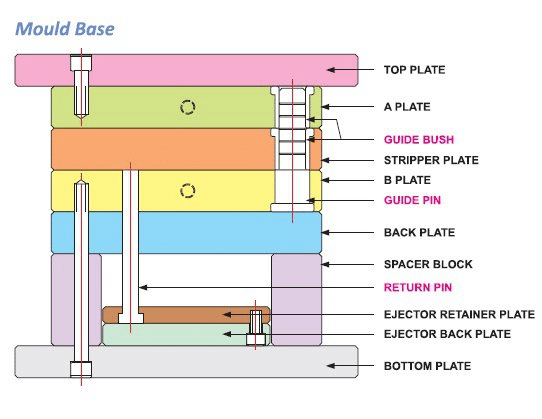
Issues of the mold base are often diagnosed incorrectly as they present with the symptoms of seemingly apparent cavity or process related issues without revealing the underlying structural deficiencies. As an example, the cause of flash along parting lines could be considered as over-packing, whereas in fact, a lack of base deflection is the underlying cause.
Symptom Misattribution in Practice
During troubleshooting sessions, I have witnessed teams running around after phantom problems such as inconsistent resin only to find that base warping had occurred by the time the team dismantled. The cause of this misdiagnosis is the hidden nature of the base- which is not as obvious as the core erosion or the increase in wear of the gates.
Challenges in Post-Build Corrections
When the bases are assembled, the correction of base issues is painful and expensive and in most cases entails complete disassembly and reworking. This highlights the importance of quality checks along the way of fabrication that ought to be proactive to avoid headaches down the stream.
How to Evaluate Mold Base Quality During Supplier Selection
A good analysis of the quality of the mold base when a supplier is being chosen depends on digging deeper and deeper in examination of manufacture processes and certifications of materials that can be verified. To get an idea of actual capacity, buyers would like to see specific details of heat treatment records and measurements of flatness.
Key Questions for Suppliers
Check on stress relieving measures, the source of materials (e.g., good quality mills such as the ASSAB or the Bohler) and internal testing of the homogeneity of hardness. Inspections by eye cannot be accepted, insist on CMM reports of parallelism and perpendicularity.
Indicators of Superior Manufacturing
Find suppliers with CNC machining facilities that are able to hold tolerances of 0.005 mm and those that use vacuum heat treatment to reduce distortion. The practices are indicators of dedication to shaping the stability of performance by the construction of strong bases.
Common Misunderstandings About Mold Base Quality
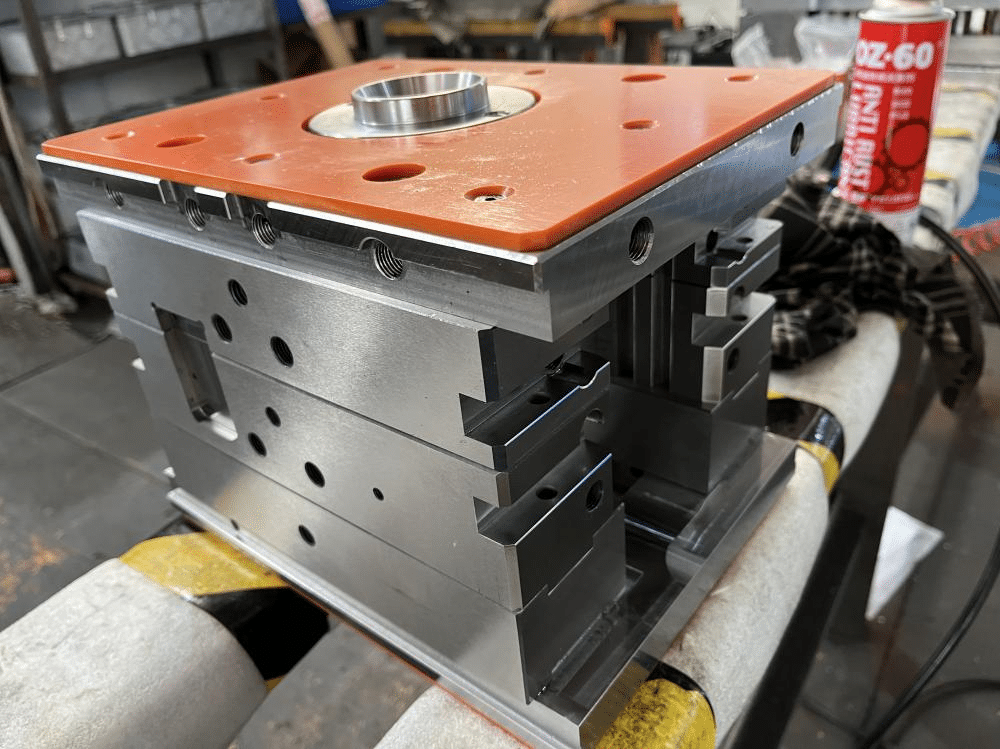
One of the most common misconceptions is that all bases of mould are alike, cross commodities and the difference in the material and machining has no significant influence in performance. This myth causes buyers to focus on the price at the expense of the product quality, which welcomes the problem of reliability.
Debunking “Base Quality Doesn’t Affect Part Quality”
This assumption is incorrect because base quality has a direct effect on the quality of parts through stability and alignment since any variation at the bottom tiers is reflected in final products.
The Fallacy of Post-Assembly Fixes
A false belief that base problems can be addressed later does not acknowledge the fact that the assembly of the mould is an integrated process- corrections frequently require a lot of rework, which affects schedules and costs.
Conclusion — Mold Performance Starts With the Base
To conclude, the stability of the mold foundation would determine the performance of the mold and quality of the Mold base would determine ability to maintain long-term stable production. Through the structural mindset, engineering and buyers can put the focus on the base integrity at the very first stages and reduce risks, improve the reliability of tooling. This will not only extend service life, but also provide predictable results in the challenging manufacturing conditions.