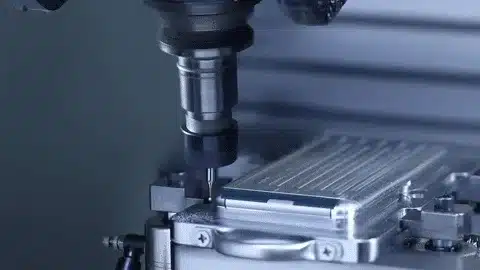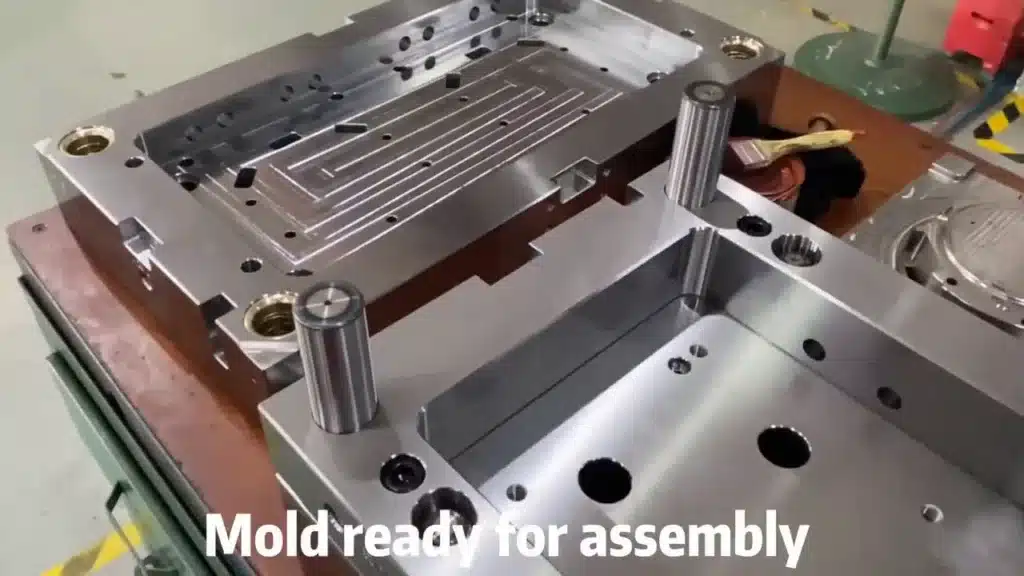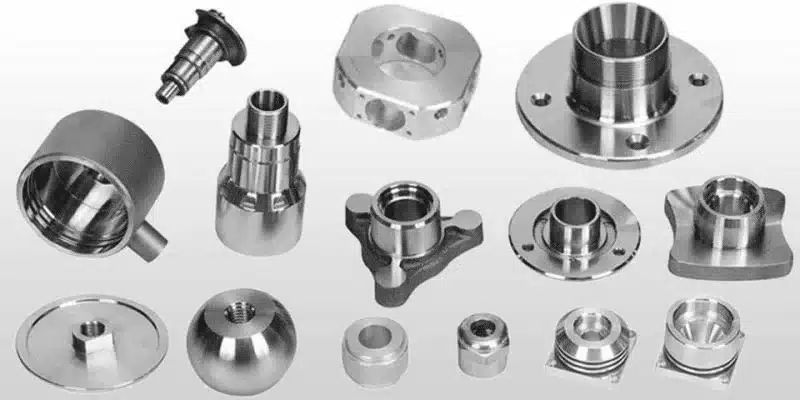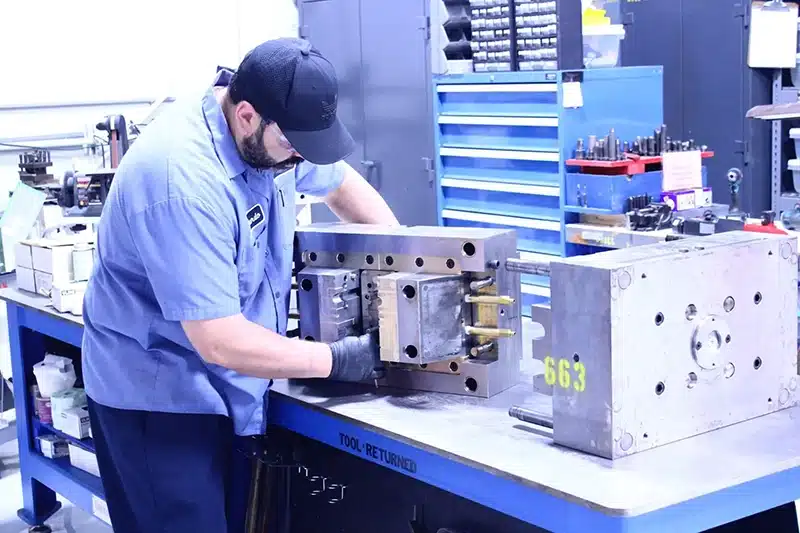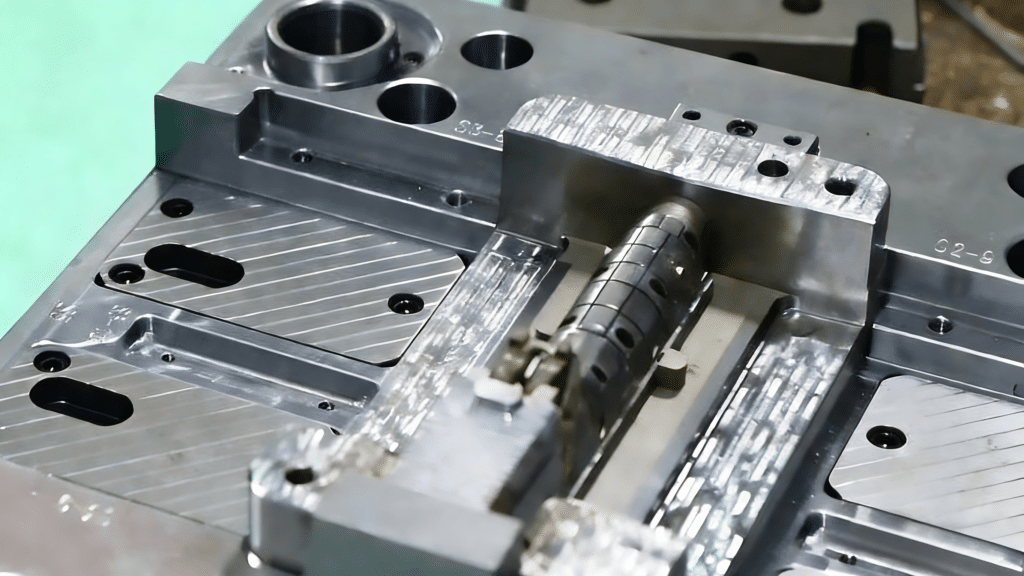
Rapid tooling and production molds have entirely different purposes and cannot be used interchangeably in projects requiring injection molding since they are engineered to meet the particular requirements in speed, volume, and durability. The choice must be based on timing and goals of the project instead of the first quote, a wrong fit here may lead to unforeseen costs or delays during operational processes. Most buyers might think that rapid tooling is merely a cheaper production mold, whereas in fact it is intended to perform a completely different purpose.
Rapid tooling is speedy and flexible whereas production molds are durable, consistent and capable of long term cost control. Quick molding and production molds are used at various phases of injection molding projects and the correct decision should be made based on the intent of the lifecycle not necessarily the initial cost or the speed.
Why Tooling Choice Depends on Project Stage
The choice of tools should be in line with the stage of the project because by the wrong kind of tools, inefficiencies that compound with time may arise. This is one of the pitfalls that, in my experience of prototype-to-full-scale succession, may transform validation success into production grief.
Typical Stages of an Injection Molding Project
Typical steps of injection molding projects include design validation, where ideas are put to the test; pilot production, where small-quantity refinement can be achieved and mass production, where high-volume efficiency is sought. The priorities of each stage differ, and they may be rapid feedback or steady production.
How Tooling Intent Evolves From Validation to Mass Production
During the early validation, the emphasis is put on the iterative modifications to verify the feasibility and the tools which enable quick modifications are preferred. Once the project has matured to mass production, reliability and scalability become the focus to reduce the cost per part. This development is paramount in the case of injection mold tooling strategy; suppliers that have a strategy of providing extensive services in mold making services can support seamless progression across these stages.
What Rapid Tooling Is Designed to Achieve
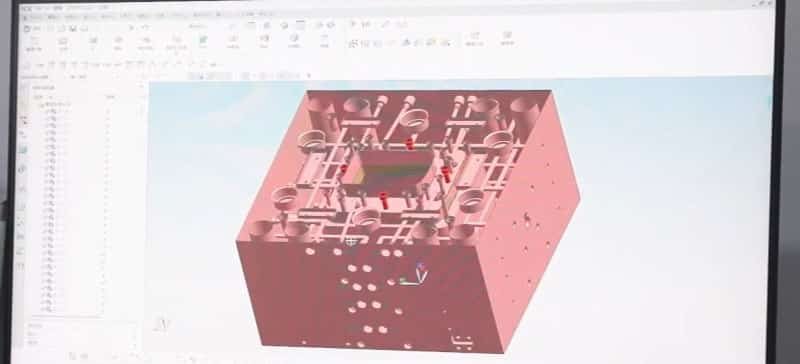
Rapid tooling is designed with agility during the early stages, and does not require the commitment of heavy-duty tool construction to achieve a fast turnaround. It makes trade-offs on the long-run in favor of flexibility.
Speed, Flexibility, and Design Validation
A rapid tooling can be made of softer material such as aluminum or mild steel and in a few weeks, rapid tooling can be made and then used in quick design checks by simulation and trial shots. This enables the engineers to test the resin flow, part ejection as well as dimensional accuracy early in time before full commitment.
Typical Use Cases: Prototypes, Pilot Runs, Early Market Testing
It is most appropriate to prototypes that require less than 1,000 cycles, pilot operations to finalize tolerances or early market experiments where a response may lead to rework. Nevertheless, its poor longevity is a distinguishing factor compared to the production tooling in injection mold manufacturing, which is engineered for sustained, high-volume demands.
Why Rapid Tooling Accepts Shorter Tool Life by Design
It has been designed to sacrifice endurance to cost and speed, with simpler machining and fewer hardening. This is logical with short-term requirements but would fail in attempts to make more of them, which is a trap in the lifecycle planning of mold tooling.
What Production Molds Are Designed to Deliver
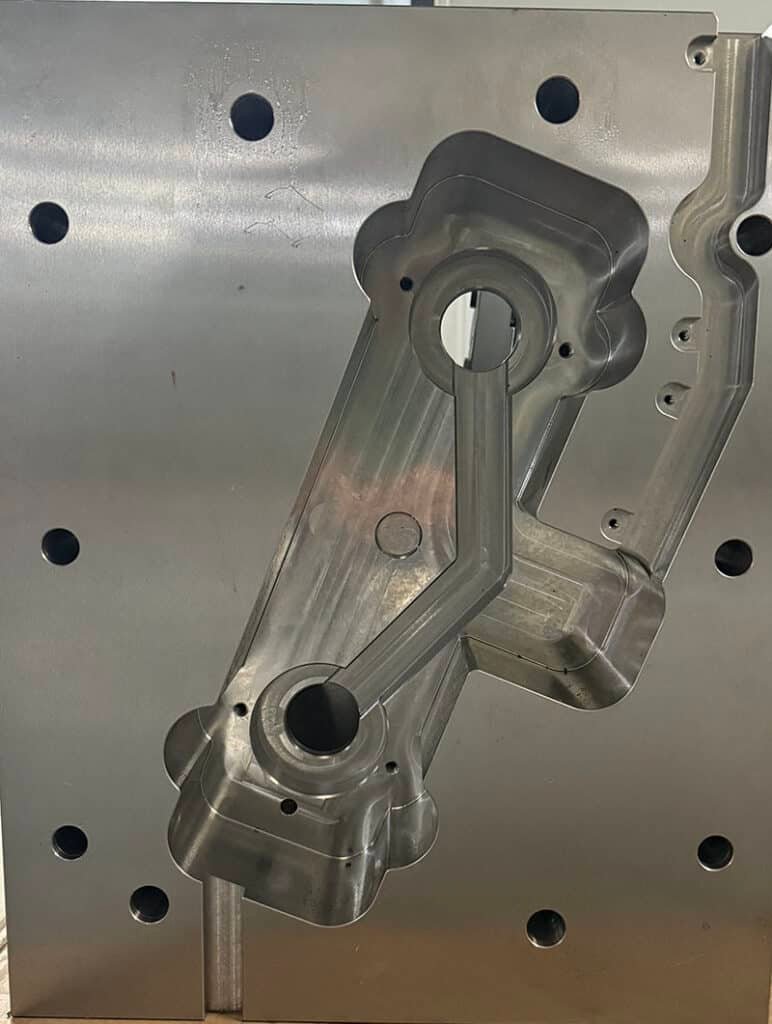
Molds used in production are designed to endure the harsh conditions of longer demand and are designed with emphasis on uniformity and low variation to aid in scaling.
Long-Term Production Stability
These molds are manufactured using hardened steels like H13 or S7, and retain a tight tolerance in successive operation, which allows a consistent part quality in the high-demand product (such as an automotive assembly line).
Higher Cycle Counts and Planned Maintenance
They generally deal with 100,000 to more than a million shots, and they have specialized facilities to maintain them, such as fineables or cooling clover. Such strength must be well planned but rewards with stability.
Why Production Molds Require Higher Upfront Investment
The investment includes advanced materials, machining, and testing to ensure long-term usage, which will decrease the risk of downtime. Knowledge on these factors is important in comparing injection mold tooling vs production mold comparisons, where the lifecycle performance is concerned and not the initial outlay.
Rapid Tooling vs Production Mold — Direct Comparison
This chart shows why rapid tooling vs production choices of molds has to take into account more than the superficial features and focus on fitting the manufacturing purpose.
| Dimension | Rapid Tooling | Production Mold |
| Primary purpose | Speed & validation | Long-term production |
| Expected tool life | Low to medium | High-cycle |
| Upfront cost | Lower | Higher |
| Design flexibility | High | Limited |
| Cost per part | Higher | Lower (over time) |
This comparison table explains why the rapid tooling vs production mold decisions should take into consideration not only superficial characteristics but also focus on manufacturing intent.
Cost, Tool Life, and Long-Term Trade-Offs
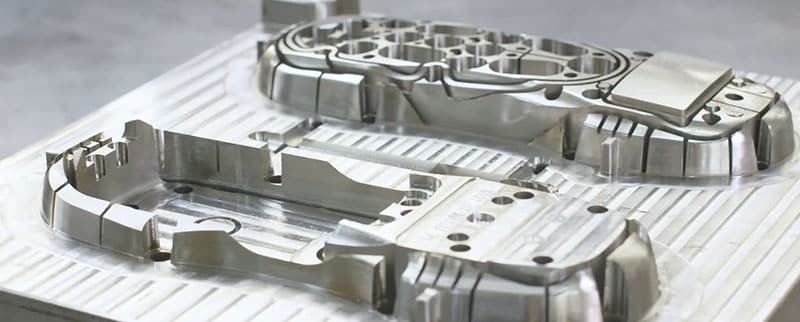
The aspect of cost is not only limited to the first quote; in this case tool life is the key factor in the overall efficiency. I have reviewed budgets in which this was overlooked resulting in excessive spending.
Why Lower Upfront Tooling Cost Can Increase Lifecycle Cost
The cost efficiency of rapid tooling is achieved through simpler constructions, however, regular replacement or repair may nullify the margins, particularly when volumes are bigger than anticipated.
Relationship Between Tool Life and Cost Per Part
Extended life in production molds increases the cost per part, which is regarded as optimal when there is a stable production run. The dynamic is essential when shaping tooling lifecycle analysis; mold cost vs tool life trade-offs provides quantitative insights for balanced decisions.
Common Buyer Mistakes When Choosing Between the Two
The error made by buyers is the improper application of the types of tooling which results in unnecessary complications. These errors are common in the evaluations that are short-sighted in my advisory work.
Using Rapid Tooling for Production Volumes
But when high-volume applications are expanded, rapid tools quickly become worn out such as cavity erosion that necessitates unwarranted breaks and reworking, perturbing supply chains.
Choosing Based on Price Instead of Lifecycle Intent
Using quotes alone disregards the durability requirements leading to increased aggregate ownership costs in instances of poor performance of tools.
Delaying Production Mold Decisions Too Long
Delays till designs are ideal may squeeze schedules, resulting in fabrication and quality compromises. These issues are reduced in the injection mold tooling strategy through proactive planning.
How OEMs Should Decide Rationally
By analyzing several important factors, OEMs will be able to make the right decisions, as tooling will be able to support not only the current but also the future demands. This is a fact-based approach that has been working in projects that I have managed.
Volume Forecasting
Determine projected shot quantities required: at low quantities (less than 5,000) quick tooling is cost-effective, and production molds are efficient with high volumes.
Design Maturity
In case of designs with possible revisions, the rapid tooling provides some room, in case of final designs, production molds are more precise.
Market Uncertainty vs Stability
When uncertainty is high, there is the need to test waters quickly hence the tooling is necessary; when it is stable, there is a need to have production molds to ensure scaling is done regularly.
| Project Condition | Recommended Option | Reason |
| Unstable design | Rapid tooling | Flexibility |
| Short-term demand | Rapid tooling | Lower commitment |
| Stable high volume | Production mold | Cost & consistency |
This decision chart assists in matching the options with the actual world constraints when selecting the tooling to use in the injection molding.
Conclusion — The Right Tooling Choice Is a Timing Decision
Overall, both rapid tooling and manufacturing molds prove successful in their respective tasks; however, these two items have to be timely in the project life cycle to be successful. Quick tooling is used to support agile exploration at the early phases, and production molds provide consistent performance to support long-term output. Rapid tooling and production molds are the same tool, and their usefulness depends on the time and reason of their application. With a focus on lifecycle intent instead of short-term savings, the OEMs have the chance to maximize the cost, minimize risks, and attain stability in manufacturing.