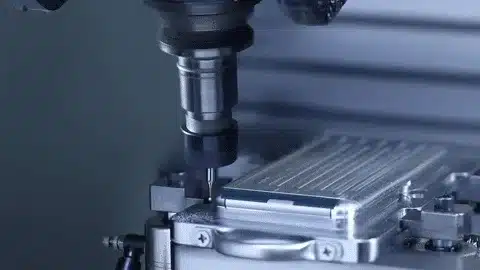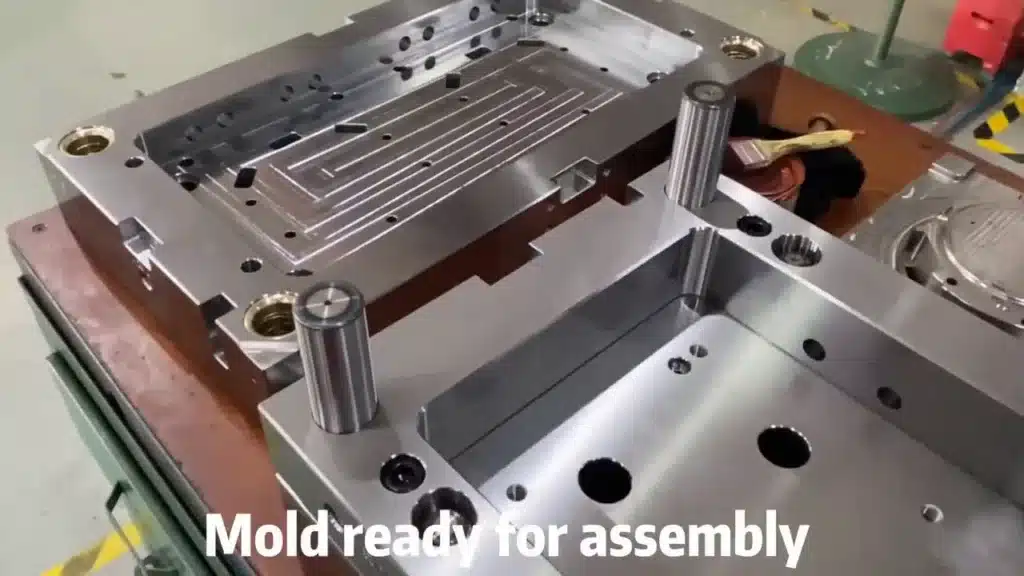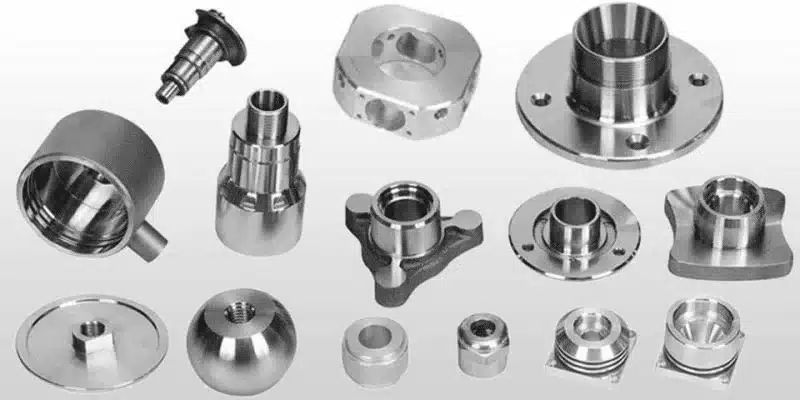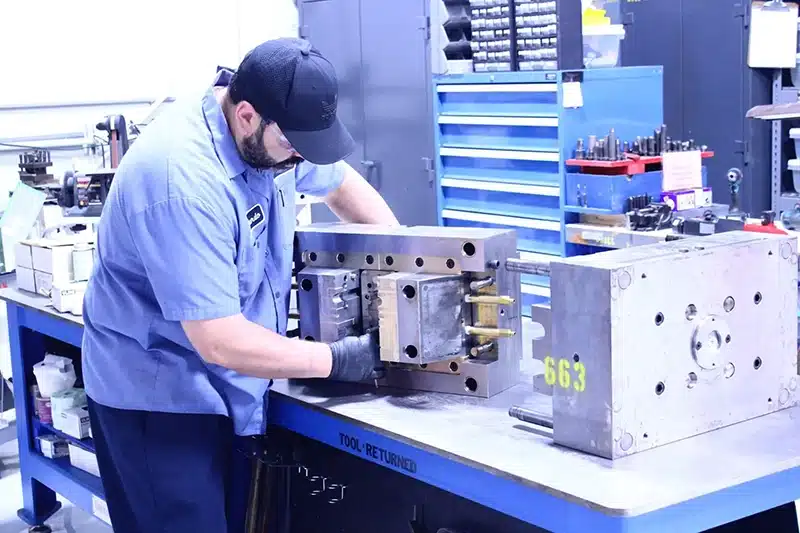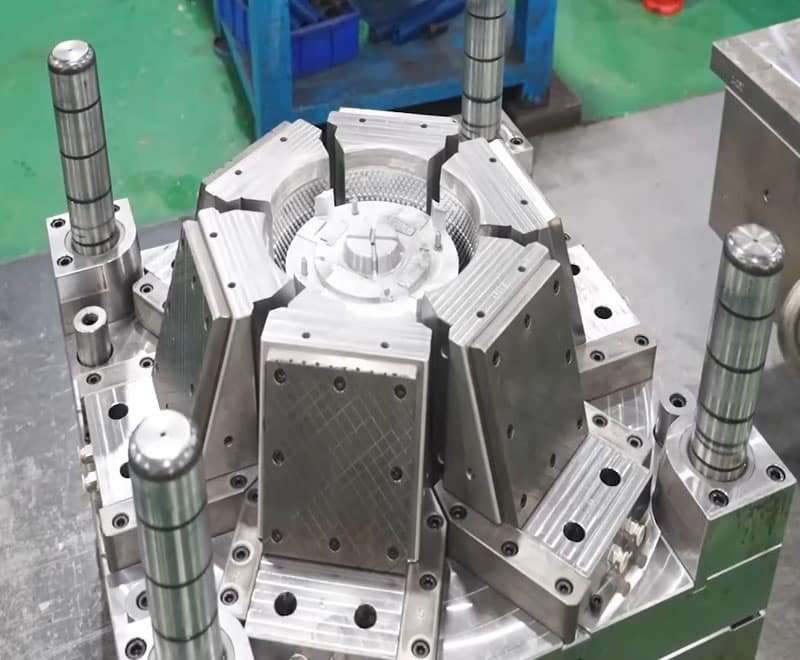
Injection mold manufacturing Production tooling can be defined as tooling created and constructed to provide stable, long term and repeatable production output and not merely a costly alternative of a mold. A practical implementation of it within the manufacturing world is tooling that is designed to achieve a high number of cycles, have a high degree of dimensional control, and be able to enable cost predictability over a long period.
Production tooling is to be distinguished as prototype tooling or rapid tooling. Although there may be similarity in the structure of mold found in all three such as cores, cavities, runners and ejector systems, the engineering purpose, durability and the lifecycle assumptions of all three differ radically. Most purchasers imagine that production tooling equates itself to a more expensive mold, yet it is in truth an alternative commitment of stability, wear-resistance and long-term control of the process.
The tooling of production is employed where long term consistency, reproducibility and controlled cost per part is the main factor. At this point, the tooling choices have a direct impact on the manufacturing risk, manufacturing efficiency, and lifecycle cost.
Why Production Tooling Exists in Injection Mold Manufacturing
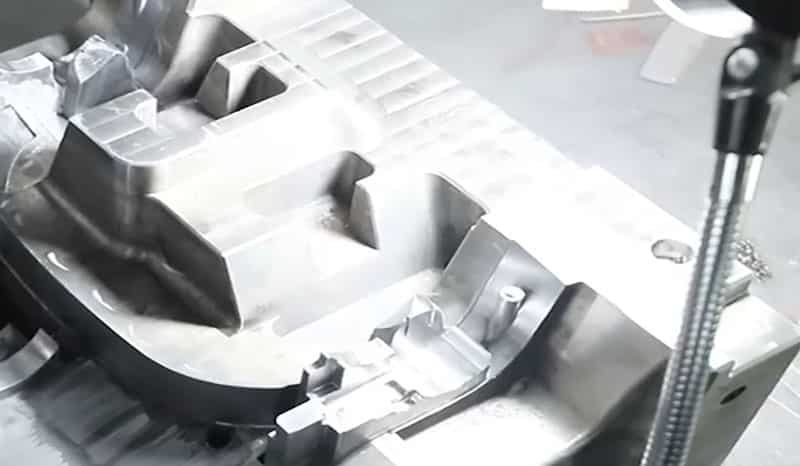
The reason behind production tooling is the advancements present in the injection molding projects, where the various phases of the project require varying degrees of durability and control. The initial development is based on learning and validation, whereas production stages need a stable output, which can stand the test of time and volume as well as variation.
Injection molding is very delicate when it comes to slight variations in temperature, pressure, material behavior and tooling condition. A small change in tooling alignment, cooling efficiency or wear faces can be converted to quantifiable scrap rates, downtime and dimensional drift as the volume of production rises. This is addressed by Production tooling which places stability and repeatability more than speed and flexibility.
Tooling at this point is no longer an instrument to create parts its now a manufacturing asset that has to blend with the production setting appropriately. This will encompass scheduled maintenance, foreseeable performance between shifts and compatibility with quality targets that are long-term.. These are the specifications that are at the core of professional mold making services, whereby tooling is designed as a component of a larger system of manufacturing and not as a single deliverable.
Production Tooling vs Other Tooling Types — Conceptual Differences
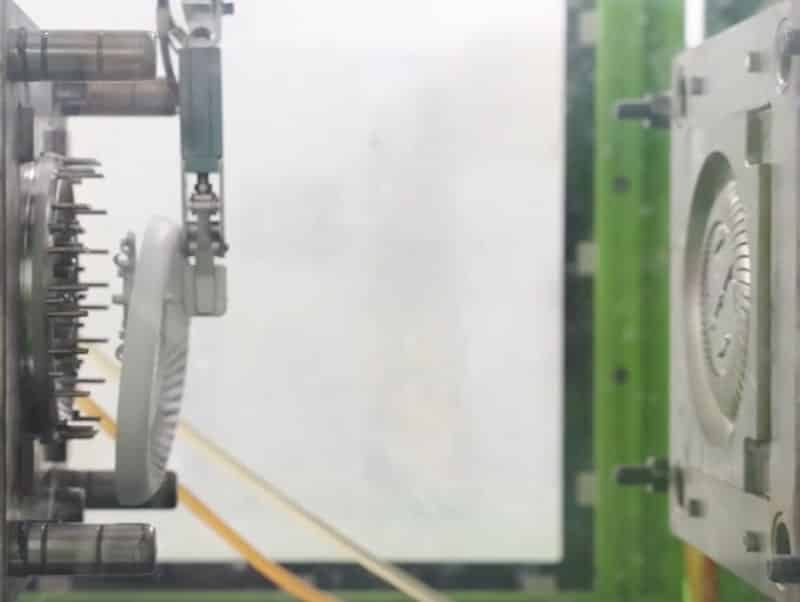
The dissimilarity in the tooling types is not based on their appearance, but that which they are meant to withstand. Production tooling, prototype tooling and rapid tooling can all give acceptable parts initially, but their expectations as far as lifecycle is concerned are far apart.
Prototyping tooling is created to test the ideas of the design in the shortest possible time, and wear resistance or long-term stability may not be of high priority. Rapid tooling is an intermediate, which favors short-term or pilot production and accepts limited lifecycle considerations. On the other hand, production tooling is initially designed to maintain output in actual manufacturing environments.
The difference is frequently misinterpreted due to the fact that the buyers are concerned with the shape of the mould rather than its purpose. Nevertheless, purpose controls the material choice, cooling design, bearing lengths and maintenance plan. An effective comparison of these terms is given in injection mold tooling vs production mold, that identifies the reason why the categories of tools are characterized by lifecycle goals instead of the appearance.
Tooling Type Comparison
| Tooling Type | Primary Purpose | Expected Tool Life | Typical Use Stage |
| Prototype tooling | Design validation | Very low | Early development |
| Rapid tooling | Short-term production | Medium | Pilot runs |
| Production tooling | Long-term output | High | Mass production |
When Production Tooling Is the Right Choice
Production tooling is the correct choice when volume, design stability and cost per part requirements come together. This choice is not about getting a precise figure of volume per year but about the realization of whether the project has gone past the constant change and turmoil.
Signs that project is ready processing tools are:
- Locked geometry and critical dimension part design.
- Verified material choice, even incorporating fillers or compounds that have an impact on wear.
- Predicted quantities that will warrant the investment in long-term tooling.
- Price sensitivity: cycle time, scrap and downtime have a significant influence on profitability.
At this stage, trying to expand a rapid or prototype tooling is likely to create a risk that is unjustified. explores the trade-offs between short-term flexibility and long-term stability that rapid tooling vs production mold, OEMs can use to determine when the transitional solutions cease to be economically viable.
Cost Structure and Tool Life Expectations
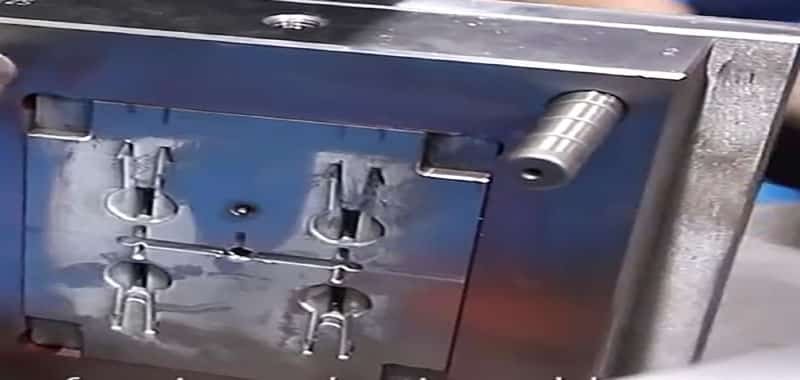
The tooling of the production changes the cost of the short term savings to the long term control. Although initial investment in the tooling is more, the aim is to save on the total cost of the lifecycle through stabilized production and a small amount of unplanned intervention.
The actual cost drivers, in the production setting, are not restricted to the actual mold. They all get out of control due to time; down time, the rate of maintenance, scrap rate and variation of processes. The factors are mitigated by production tooling, i.e. increasing tool life and increasing the stable processing window.
This is the relationship between the cost and lifecycle performance of the tooling that are commonly misinterpreted. Buyers that consider the decision to be taken on tooling by considering the trade-offs between the cost and the tool life are better placed to know why higher initial investment mold cost vs tool life trade-offs often lead to reduced cost per part over the life of the program.
Mold Steel Selection in Production Tooling
The quality of production tooling is characterized by mold steel choice. In the long-term manufacturing process, wear resistance, dimensional stability and maintenance intervals depend on the choice of steel.
Tooling Production tooling is more concerned with steels and heat treatments capable of surviving:
- High cycle counts
- Hardened or inorganic materials.
- Sorbitol injection pressures were high.
- Long-term thermal cycling
Cost is not often the sole factor considered when selecting production tooling steel unlike in the case of early-stage tooling. Rather, it is an engineering analysis of resin behavior, part geometry and predicted lifecycle requirements. The further explanation of impacts of mold steel selection on the performance of tooling supports the reason why steel selection is a mold steel selection affects tooling performance reinforces why steel choice is a foundational decision in production tooling design.
Mold Base Quality and Structural Stability
The mold base serves to give the structural support that maintains the production tooling steady throughout its life. With high cycle counts any slight deflection or misalignment can result in uneven wear, flash, and dimensions.
The tooling of production is dependent on the construction of the mold base to sustain:
- Correlations between core and cavity.
- Stable parting-line contact
- Regular ejection and maneuvering.
Poor quality of the base might not be visible at an initial stage of running, still, its effect is cumulative. This is the reason why the quality of mold base quality has a significantly bigger role in production tooling as opposed to short-term use.
How Production Tooling Impacts Part Consistency
Direct by-product of tooling stability is part consistency. In manufacturing processes, uniformity in parts is based on controlled thermal conduction, effective positioning, and predictable wear patterns.
As the tooling is overstretched in the lifecycle it is supposed to have, there is more variation. Symptoms often include:
- Gradual dimensional drift
- Defects in cosmetic i.e. flash or sink.
- Greater scrap and sorting requirements.
Production tooling reduces these risks through structural integrity and control of the processes over long run. The connection between tooling strength and output consistency is discussed in more depth regarding the topic of mold quality and part consistency.
Lead Time Expectations for Production Tooling Projects
Tooling used in production carries a longer lead time since it is more engineered and tested and control quality. Further time is taken on maximizing the cooling, steel treatment validation, and structural stability.
The reason why experienced manufacturers do this is because they combine tooling design and realistic production schedules, instead of thinking of lead time as an independent measure. Knowledge of normal production tooling lead time assists OEMs in scheduling the production tooling lead time helps OEMs plan project timelines without sacrificing long-term performance.
Common Misunderstandings About Production Tooling
All the illusions surrounding production tooling have to be realized through the misconception of considering it a form of over-engineering instead of lifecycle planning. Misconceptions that can arise are:
- Unnecessary complexity Production tooling is useless: It does not matter which production tooling is created, downstream robustness is reduced.
- It is always cheaper to tool up later: Structural constraints may make retrofits very expensive, although some upgrades may be made.
- Any mold could be made into production tooling: Not every tooling design can be cost-effectively revised into production purpose.
Those assumptions tend to make long-term decisions that make the cost and stability more expensive and unstable.
Conclusion—Production Tooling Is a Strategic Commitment
Injection mold manufacturing production tooling is not a short-cut buying decision, but a lifecycle decision. It is indicative of stability, durability and consistency of part cost when a project is fully matured.
Production tooling is needed when scale use requires structural and process control when long-term manufacturing performance is more important than short-term flexibility. Its choice at the appropriate stage enables OEMs to control risk, defend quality, and maintain production volume as volumes increase- without necessarily resorting to reactive fixes and expensive workarounds.