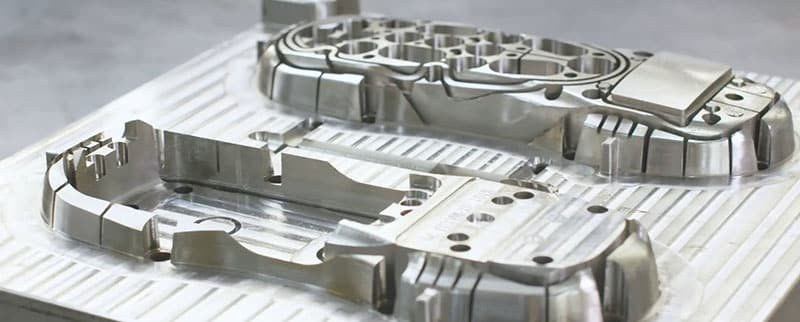
The art of precision mold making requires not only sophisticated machinery or drawings, but a lot of delicacy of judgment which is available only through years of practical experience. Novice teams who have the best machines usually face unknown problems such as tolerance variation or material behaviors that derail production. Most purchasers spend a lot of time thinking that the quality of precision moulds is defined by machines and drawings but this is not always the case since it is a matter of judgment that can be developed as a result of a real production experience.
The practice of high accuracy in the mold manufacturing process enables the engineers to foresee the risks, manage the variation, and stop failures much earlier. Experience is also a significant effect in precision mold manufacturing since most of the critical decisions are not stipulated by drawings or machines, but rather through judgment developed through repeated production hurdles. As a senior engineer in the field of mould engineering with more than 20 years of experience in the OEMs tooling programs in the automotive and electronics industry, I have noticed the way this acquired experience works to transform the possible failures into the successful results. We shall see the reason why experience is essential in this department.
Why Precision Mold Manufacturing Is Experience-Dependent
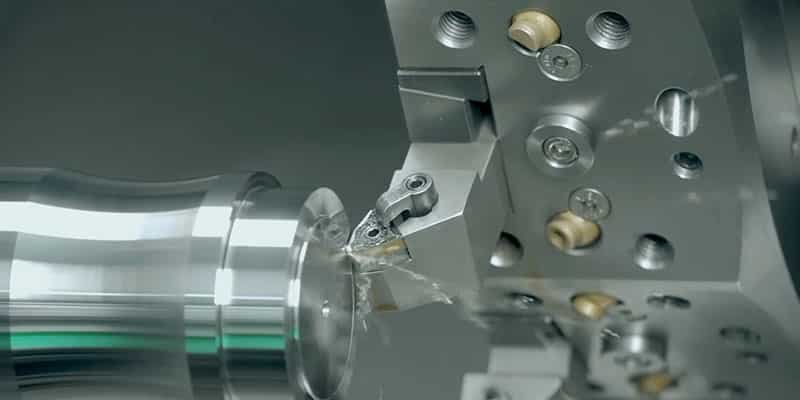
The element of precision mold manufacturing is by its very nature an experience-related concept since a small lapse of deviation on its part can be translated into significant problems in the production process and even that cannot be foretold without a practical understanding of things. Based on my experience of troubleshooting molds, I have come to know that theory cannot work in high-stakes environments.
Why Precision Molds Are Sensitive to Small Deviations
In high-precision molds, tolerances as low as 0.005mm imply that even small differences in machining or assembly will cause defects in the parts such as flash or sink marks. This is due to the fact that these sensitivities occur when resin flow, cooling rates and tool geometry are interacting-simulations cannot completely predict these sensitivities without real-world calibration.
How Cumulative Effects Amplify Minor Mistakes
Minor mistakes can cause significant changes in wear or cycle time changes, like poor gate positioning that may not appear very important early on, but increases with cycles. Skilled engineers can identify these chains at the very beginning, based on past experience to overcome them. In sourcing, seek providers who have a broad range of services in mold making that show the depth of service mold making services that demonstrate this depth, ensuring your tools withstand production demands.
Experience Shapes How Precision Mold Making Is Understood
Practice essentially transforms the functions of precision mold making as the engineers are changing the distance between the ideal conditions to the real conditions of operation. In its absence, specs interpretation may result in poorly engineered or poorly performing tools.
Difference Between Theoretical Precision and Functional Precision
Theoretical precision is that concerned with the CAD-perfect dimensions, whereas functional precision considers actual concerns such as thermal expansion or vibration during injection. Still green teams can make the paper hits but fail when it comes to the real world, where components must come ejecting onto the screen every cycle.
Why Experienced Teams Interpret Specifications Differently
Experienced engineers read between the lines to feature priorities by using end-use considerations such as using cooling in high-volume molds. This approval is developed through working with different resins and machines. To have a base perspective, revisit precision mold making fundamentals to see how experience refines these interpretations in mold manufacturing expertise.
Tolerance Control Improves With Repeated Manufacturing Exposure
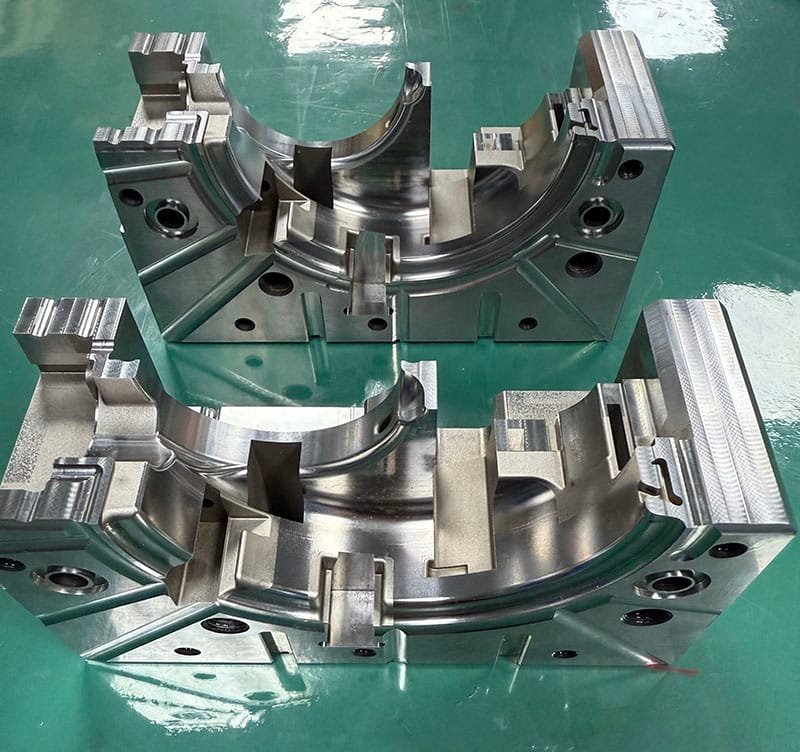
Tolerance authority in accuracy molds fortifies significantly through recurrent disclosure, since engineers become conversant with the nuances that are absent in the drawings. I have worked in projects where the tolerance assumptions made in the initial stages resulted in rework and experience transformed such preemptive strategies into active ones.
Why Tolerance Stacking Is Rarely Visible on Drawings
Tolerance stacking is a phenomenon whereby accumulation of individual part tolerances is experienced which may be beyond the assembly limits- only to be realized after physical build. These can be predicted with the help of experience based on machining sequences and material behaviours.
How Experience Refines Tolerance Prioritization
As time progresses, engineers focus on important tolerances, and they invest in high-impact areas such as high-risk alignments and relax non-essential ones. This balance does not diminish costs at the expense of quality. To explore the fundamental tolerances used key tolerances in precision mold manufacturing for specific examples of how this judgment enhances precision mold quality control.
| Aspect | Inexperienced Approach | Experience-Driven Approach |
| Tolerance interpretation | Literal | Functional |
| Risk anticipation | Reactive | Preventive |
| Cost impact | Higher rework | Controlled |
This table shows how experience transforms the toleration management into a series of strict adherence to adaptive control.
Experience Enables Early Detection of Mold Defect Risks
Experience makes engineers to identify the risk of defects during the initial design phase before problems come to halt the production. Patterns of previous failures have saved me a lot of time in my career.
Common Defect Patterns Experienced Engineers Recognize Early
Such patterns as the warpage caused by uneven cooling, or poor venting caused by short shots, become innate, and preemptive action can be taken in designing a gate or in placement of the insert.
Why Defect Prevention Is Experience-Driven
Prevention is based on the prediction of the interaction of factors under stress a thing that checklists cannot teach. Seasoned teams incorporate the experience of errors in the past, which provides strong molds. Discover typical defects of common molds to learn common mold defects to understand how mold making experience turns these risks into managed elements.
Process Selection Depends on Practical Machining Experience
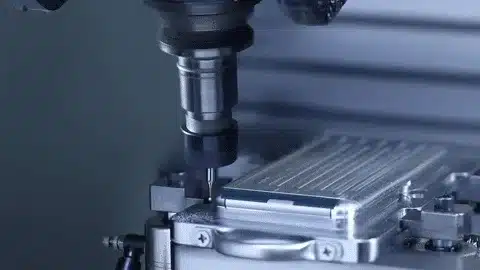
The decision process of precision mold manufacturing is highly based on experience since decisions such as CNC or EDM depend on a perception that requires fine distinction. The processes I have picked up appeared to be counterintuitive on paper but was delivered as per actual results.
Why Choosing Between CNC Machining and EDM Is Judgment-Based
CNC is better at roughing and complicated geometries, whereas EDM is more accurate on the delicate in hardened steels- but the optimum combination is acquired through experiment.
How Experience Affects Process Sequencing
Sequencing, as with EDM following heat treatment, does not involve distortions; experience can reduce this to cause minimal warpage. Such competence guarantees the effectiveness of work processes. See Applications, applications To achieve the highest success, experience shapes CNC machining and EDM in precision mold making, where experience refines these decisions for better results.
Mold Quality Consistency Is Built Through Experience
The stability of the quality of the mould comes about due to the experience gained and perfecting each process resulting in constant production after some time. In its absence variability infiltrates, part output being influenced.
Relationship Between Experience and Long-Term Mold Stability
The advanced teams create molds that will continue performing through millions of cycles by choosing strong steels and scheduling maintenance cycles depending on the wear patterns that are observed with other similar tools.
How Experienced Teams Reduce Variation Over Time
They reduce the differences in batches by standardizing on the proven methods, which guarantee repeatable quality. This consistency is critical to OEMs. A combination of mold quality and part consistency are intertwined, emphasizing the role of an experienced mold manufacturer.
Experience Influences Lead Time Predictability
In precision mold projects, experience is of great importance in predicting lead times and enables it to make more accurate estimates regardless of uncertainties. I have also worked within strict timeframes by anticipating possible delays.
Why Experienced Manufacturers Estimate Lead Times More Accurately
They consider the unobservable variables such as delays of the suppliers or trial runs based on previous data to buffer in a realistic manner without being overly generous.
How Unforeseen Issues Affect Schedules
Problems such as flaws in materials may stall schedules, and experience allows contingent scheduling. This predictability facilitates in planning. Review mold making lead time expectations to align your project timelines with seasoned insights.
Why Experience Cannot Be Replaced by Documentation Alone
Documentation offers a guideline, but it is unable to duplicate the adjustive view that experience brings to precision shaping production. SOPs are fixed; reality problems are moving.
Limits of SOPs and Checklists
SOPs provide instructions in simple cases, but break down in edge cases, such as resin peculiarities, where intuition is used to fill in the missing information.
Why Judgment Cannot Be Standardized
Judgment is sensitive to special project variables and changes with every challenge, something that cannot be replaced by rules. It is due to this that precision mold manufacturing experience is still up and above all.
| Factor | Documentation | Experience |
| Problem anticipation | Limited | Strong |
| Adaptability | Low | High |
| Outcome stability | Variable | Consistent |
This comparison indicates that experience supplements documentation to get better outcomes.
Conclusion — Precision Comes From Judgment, Not Just Machines
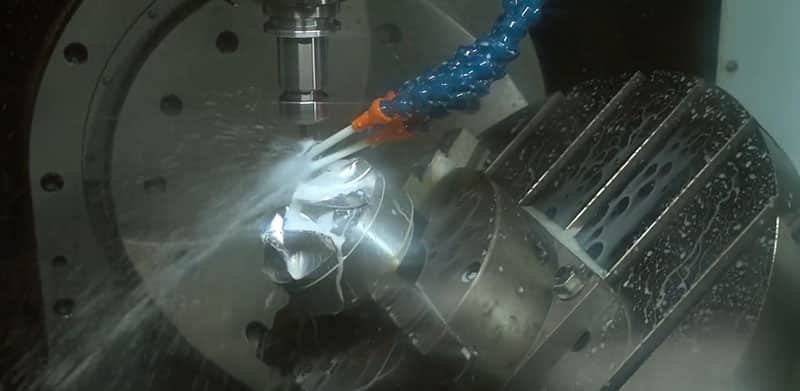
Finally, the experience in the accuracy of the mold manufacturing allows making the preventive decision-making which is impossible with the help of machines and drawings only. It helps engineers to envision latent dangers, optimize procedures and provide stable tooling to assist the manufacturing process. In the process of precision mold manufacturing, technical capability converts into a reliable result through experience to guide judgment, risk anticipation and stabilizing the performance of production. This emphasis on practical wisdom will guarantee the success of any OEM projects in the long term.