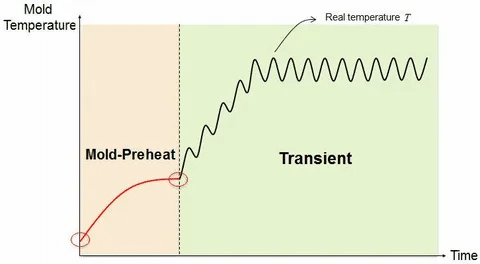
Part consistency in injection molding does not just refer to an accurate dimension but also to a consistent cosmetic appearance and functioning performance and a small amount of change between batches. Even when the molding parameters remain constant, inconsistencies can be typical due to nature of the inherent constraints of the mold, like wear imbalance or misfit. One of the myths in respect to teams is that part inconsistency can be solved by machine tuning, however, in practice, it is often inherent in the nature of the mold, so no amount of process change can completely eliminate it.
The quality of the mold is what defines part consistency in injection molding and not process tuning or machine capability. The highest level of consistency of the parts that can be obtained through the process of molding is determined by the quality of molds. Based on a broad experience in quality engineering of large scale production, it is obvious that upstream investment in better properties of molds will provide much more certain deliverables than downstream fixes.
What Part Consistency Really Means in Injection Molding
Part consistency In injection molding, part consistency is the capability to manufacture parts that are consistent to specification and have no unacceptable variations in critical characteristics. This can be dimensional consistency (such as lengths and diameters change by a little) and cosmetic consistency (uniformity in surface texture and colour), and functional consistency (making sure that parts operate as desired in assembly or service).
Dimensional, Cosmetic, and Functional Aspects
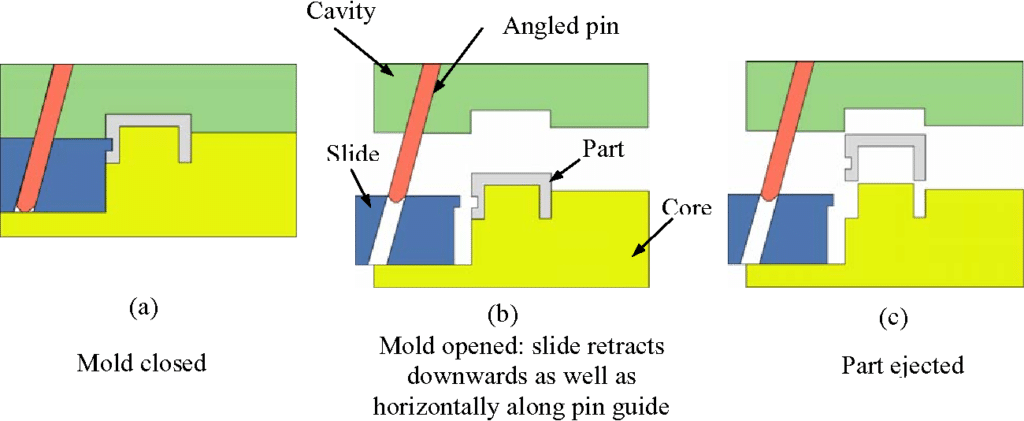
Consistency may be short term in early runs only, but as the number of cycles reached in the thousands, it becomes necessary to have long-term consistency against various influences such as thermal cycling and material abrasion. Practically, I have seen that an insignificant difference might lead to rejection when not managed at the stage of the mold.
Short-Term vs. Long-Term Consistency
To achieve this, relying on high-quality mold making services high quality will create a platform where the consistency is instilled and that there is no need to monitor continuously the injection mold consistency efforts.
Why Mold Quality Is the Foundation of Repeatability
Mold quality is the foundation of repeatability since it provides the mechanical stability that is required due to the repeated molding cycles. They cannot be provided even by sophisticated machines which do not provide uniform parts, since the tool is not uniform.
Mechanical Stability and Repeatability
Mold wear is a cause of dimensional drift, as the surface of a cavity is worn away over time; deformation due to heat or pressure causes misalignment and inadequate alignment causes mismatch of parting lines. These are compounding factors and convert a possible high-yield run into a variable run.
Wear, Deformation, and Alignment Effects
Adhering to precision mold making standards such risks are minimized, which results in the possibility of repetition of the molds, which are then used to create consistent molded items during the production life cycle.
Tolerance Control and Its Effect on Part-to-Part Variation
Tolerance control of molds has a direct impact on part-to-part variation, establishing limits to acceptable variation, whose nominal tolerances are ideal specs, but the actual variation in practice is due to functional variation. The effect of loose controls is to increase variability, since errors in core-cavity fits accumulate, causing inconsistencies in fills or ejections.
Nominal vs. Functional Tolerance Differences
Why does this matter? Poor tolerances will be encouraging process noise, which will raise the scrap rate and inspection requirements in mold quality control cases.
Loose Control and Variation Increase
Effective mold tolerance control effective mold tolerance control is required to ensure the quality impact of tooling has a positive effect.
| Mold Condition | Part-to-Part Variation | Production Impact |
| Stable tolerances | Low | Predictable yield |
| Marginal tolerances | Medium | Increased inspection |
| Uncontrolled tolerances | High | Scrap and complaints |
This table shows the correlation between the conditions of mould and the results, which underlines the importance of accuracy in ensuring the low variation.
Surface Finish Quality and Consistent Part Appearance
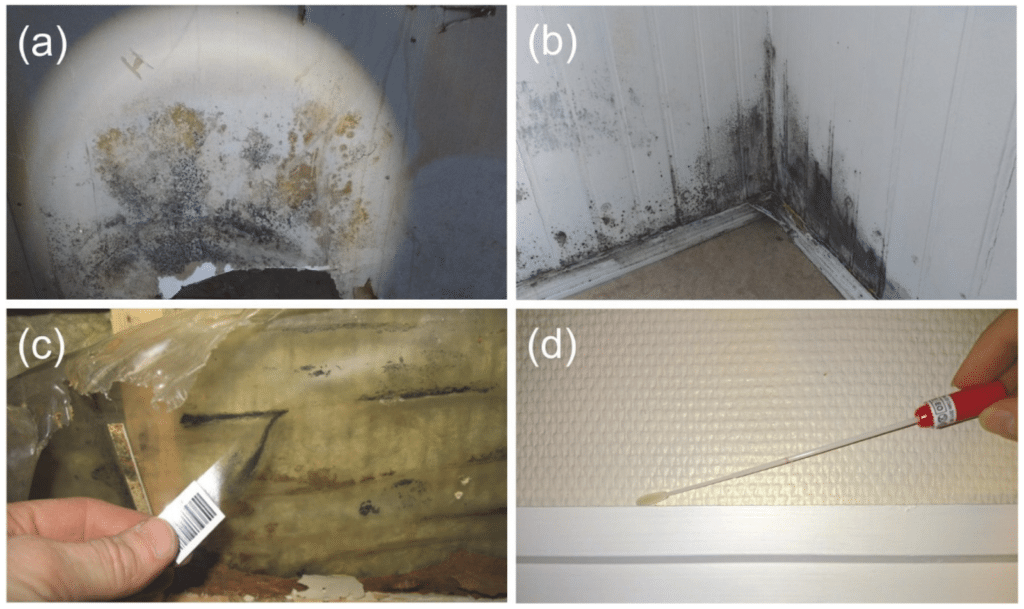
The quality of surface finish on molds determines the appearance of parts by determining the ability of resin to reproduce textures and releases out of cavities, and discrepancies in surface finish cause imperfections like gloss difference or sticking. The poor or uneven finishes result in aesthetics differences in different parts undermining cosmetic reliability.
Mold Surface Effects on Aesthetics and Release
This is made worse in the long runs with degrading finishes where what were minor problems become large scale inconsistencies that lead to the customer acceptance.
Inconsistent Finish and Visual Variation
Prioritizing mold surface finish quality guarantees constant replication, which results in the enhancement of the overall quality of molds and part consistency.
Mold Steel Selection and Long-Term Consistency
The choice of mold steel has a far-reaching influence on long-term consistency as it determines the wear resistance, otherwise, providing slow loss of part dimensions and quality. The temptation to save money by using poorer steels usually comes back to haunt them since corrosion or fatigue occurs at an accelerated rate and requires regular intervention.
Steel Wear and Consistency Drift
Quality choice Material choice is a quality choice since it forms the base of durability as with high-chrome steels, such as endures longer in presence of abrasive resins.
Material Choice as Quality Decision
Evaluating mold steel selection and stability pre-evaluation of mold steel selection and stability, which aids in maintaining consistent injection mold.
The Role of Mold Design in Maintaining Part Consistency
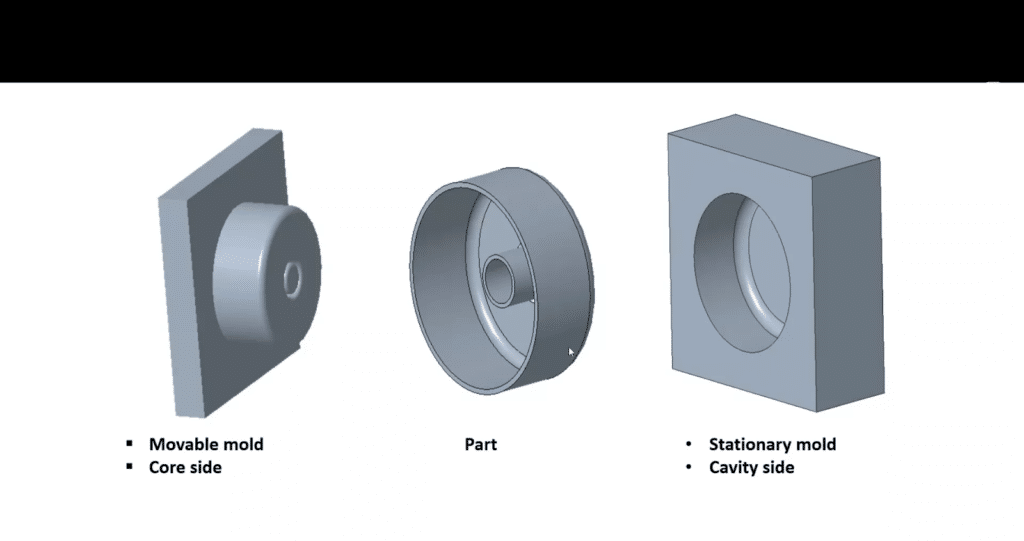
Mold design helps to achieve the ultimate consistency through the enhancement of load balancing, cooling consistency, along with ejection consistency, which eliminates the occurrence of hotspots, or disproportionate pressure which leads to variation. Properly designed molds enhance stable operation minimizing cycle-to-cycle variation.
Design Effects on Load, Cooling, and Ejection
Good design predicts production needs so that they are distributed evenly to ensure that there is functional repeatability.
Supporting Consistent Mold Behavior
Understanding the injection mold design impact on part consistency on the consistency of the parts makes the decisions more effective in long-term stability.
Why Process Optimization Cannot Fix Poor Mold Quality
Optimization of processes contains its own constraints in the event of low quality of the molds since manipulation of such parameters as the temperature or the pressure would not be able to handle the mechanical defects such as the distorted hollows or disorienting parts. The working of machines, however advanced, is within the limitations of the physical integrity of the mold.
Limits of Parameter Tuning
In a bid to correct instability, over-correction will be created, which will provide additional variables, which will not correct the inconsistency but will worsen the situation.
Machines and Mechanical Instability
In reliability advice, I have always thought that process fixes are a band aids – real solutions are in ensuring that the tooling quality impact is dealt with at the root.
How OEMs Should Evaluate Mold Quality for Consistency
Areas that OEMs must consider in order to assess the quality of their molds are the certification of materials, tolerance tests, and wear tests which are indicative of the performance in the long term. Consistency risk assessment would be done through examining the track records of suppliers and also by pre-production stress tests.
Indicators Reflecting Mold Quality
This is a proactive analysis of vulnerabilities that may be lurking in the shadow without impacting on yields.
Assessing Consistency Risk
| Evaluation Area | Key Question |
| Precision | Are tolerances repeatable? |
| Materials | Will wear affect consistency? |
| Finish | Is surface stable over time? |
The checklist is useful in the systematic assessments whereby the repeatability of the mold is in line with the production objectives.
Common Misunderstandings About Mold Quality and Consistency
The common misconception is that the constant components are due to the good machines, without taking into consideration the role of the molds in determining the minimum level that can be produced by the machines. The first samples are usually regarded as a promise of the consistency over time but hardly represent weariness during long runs.
Consistent Parts from Machines Myth
Process control has been erroneously classified as an alternative to mold quality, which is really only able to streamline within the confines of the mold.
Initial Samples Guarantee Fallacy
Process Control Replacement Myth
Explaining the above focuses on the holistic control of mold quality to achieve improved results.
Conclusion — Consistency Is Built Into the Mold
To conclude, consistent molded parts do not occur as a result of ad-hoc modifications but are produced using molds that are designed to be both precise and durable with an intelligent design that places an emphasis on repeatability. This type of mold-first technology secures reliability in the long-term; the variation that haunts manufacturing is reduced. At the tooling phase, manufacturers achieve constant operation that proves to be stable enough to endure the pressure of high-volume operations, a process that creates efficiency and confidence in the operations.