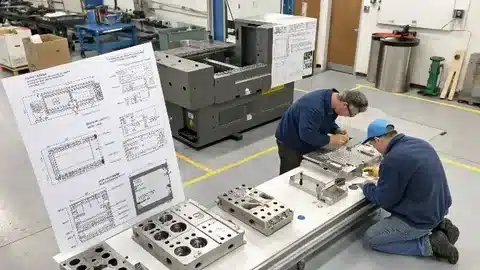
In injection molding, instabilities in production can frequently only be manifested during scale-up since constant production reveals cumulative stress such as thermal, material, and parameter drift that are not entirely reproduced in a trial. A successful trial could show that it is just a basic functionality, but not a guarantee of stable mass production, since defects only come out in short runs, and are not apparent in thousands of cycles. Various groups of people think that when a mold passes tests, it will be stable under production, whereas instability can actually manifest itself only when the test is under persistent pressure.
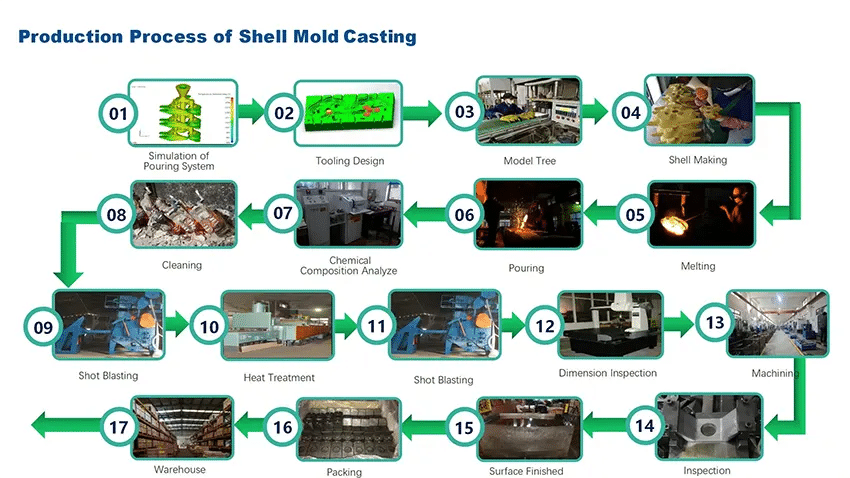
Stability in mass production does not occur as a singular result of process tuning but is instead an essential ability that is made possible by the precision mold design. The mold design accuracy defines stability of a mold in case of increase in production volume. Based on years of practice in recommending scales-ups of OEM, I have observed what can be done to scale-up results by first focusing on precision at the outset, so that high-volume runs do not give rise to unexpected things occurring in mass production stability in injection molding.
What Mass Production Stability Really Means in Injection Molding
Stability in mass production injection molding This implies that one can produce consistent quality parts with minimal downtime and predictable cycle time on long runs, rather than only surviving multiple hundred shots. Trial success is often aimed at validation in the short run, such as fill and ejection, but in the long-run the resilience is needed against wear, environmental change and operator change.
Short-Term Trial vs. Long-Term Stability
Stability should be stable between cycles (part-to-part), shifts (day-to-day) and wear progression (over months) where the variation of even-resin batches or machine calibration can increase the weaknesses.
Cycles, Shifts, and Wear Progression
A viable solution to this gap is through the inclusion of sound precision mold design and manufacturing behaviors that ensure stable injection molding production at the very beginning.
Why Precision Mold Design Is the Foundation of Stable Production
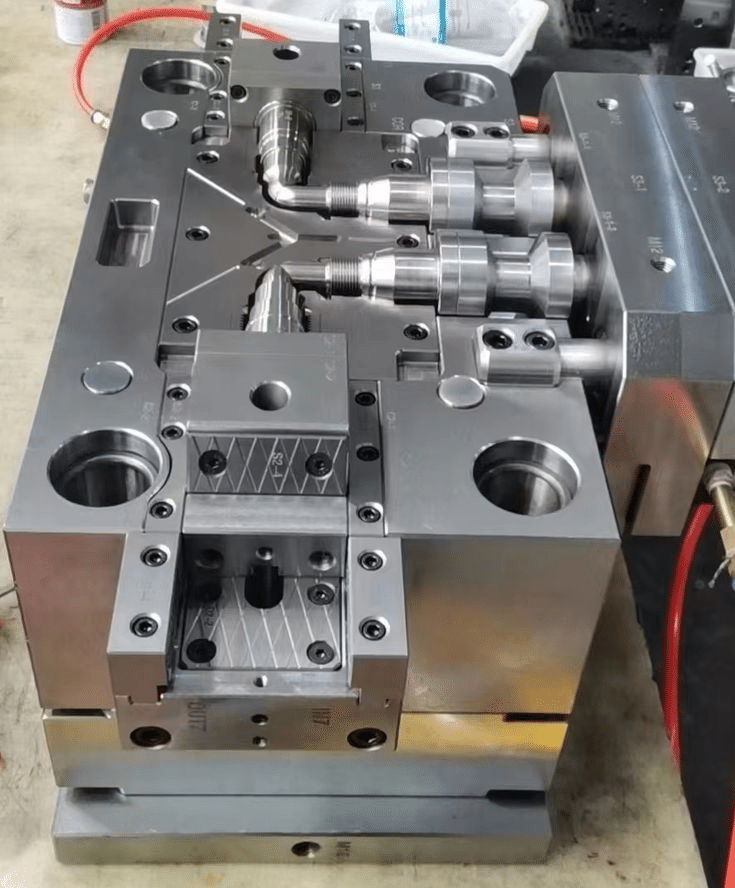
Precision of the design of the mold determines mechanical stability which cannot be achieved solely by the use of process compensation because it reduces inherent variables such as misalignment or non-uniform cooling that necessitate continuous adjustment. In the absence of this, molds are highly sensitive to parameter drifts and the resulting inconsistent outputs despite a limited control of processes.
Mechanical Stability vs. Process Compensation
Precision also saves sensitivity by having balanced loads and equal behaviors enabling production to scale without increasing risks.
Reducing Sensitivity to Parameter Drift
The implementation of the principles of precision mold making making leads to the production of tools that in turn facilitate the design of precision molds to be used in high volume production.
Tolerance Control and Variation Reduction at Scale
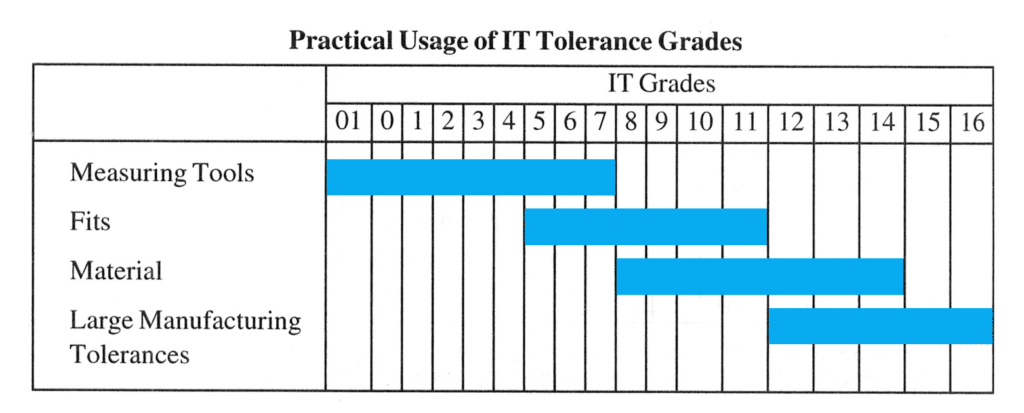
Tolerance control is a direct counter to variation at scale, and affects the effects of stacking-up in components such as cores and cavities, whereby cumulative variation in components such as cores and cavities causes dimensional variation across large batches. Stable tolerances that are tight are an important consideration than extreme precision, since excessive tightness of the specifications may add Brittleness instead of benefit.
Tolerance Stack-Up and Mass Production Variation
When used in high-volume situations, the tolerances are unstable and have scrap rates and need to be recalibrated frequently.
Tight but Stable Tolerances Importance
tolerance control in precision molds maintains variation at low levels supporting design of mold to produce consistent output.
| Tolerance Condition | Production Behavior | Stability Risk |
| Stable & functional | Predictable output | Low |
| Marginal | Frequent adjustments | Medium |
| Uncontrolled | Scrap & downtime | High |
This table demonstrates the correlation of tolerance conditions with risk, which explains why precision in the design of the mold is an important factor in enhancing stability in mass production.
Mold Quality and Its Impact on Long-Run Consistency
The quality of the mold has a significant impact on long-run consistency because it defines the ability of the tool to retain part-to-part consistency during continued wear and thermal loading. Scars on the surfaces or even alignment will disrupt production over time developing drifts in dimensions or cosmetics that had not been noticed during trials.
Mold Quality and Part-to-Part Consistency
Breakages e.g. could begin quietly but result in flash or short shots as cycles accumulate.
Wear and Alignment Destabilization
Prioritizing mold quality and production consistency through design prevents these escalations in production scale-up stability. These scale-up stability production scale-ups are prevented by designing high quality molds and consistency in production.
How Precision Mold Design Reduces Corrective Actions During Production
Accurate design of molds reduces remedial measures through upstream solutions to problems such as poor venting or gating compelling rework, modulation or line shutdown. Strong designs include buffers of real-world variables, which can be used to execute continuous runs and to minimize on-the-fly fixes.
Precise Design Reducing Rework and Stoppages
Such strength allows continuous manufacturing, where the molds accommodate the changes without stopping the operations.
Design Robustness for Continuous Production
The knowledge of the precision mold design impact on production stability of production leads to greater upfront decisions.
Common Causes of Instability in Non-Precision Mold Designs
Non-precision designs tend to contain shortcuts such as simplified cooling or loose fits which are tolerable in the test but which fail under volume, where accumulation of heat or repeated stresses reveal failures. The instability gets harder and harder since accumulated tiny variances cause already solvable problems into chronic downtime.
Design Shortcuts in Trials
As an example, marginal ejection may be able to pass low-volume tests but become stuck during long runs.
Instability Compounding Under Volume
| Design Weakness | Trial Outcome | Mass Production Impact |
| Marginal cooling | Acceptable | Cycle drift |
| Loose fit | Functional | Wear-induced variation |
| Weak ejection | Passes trial | Downtime |
This table establishes weaknesses that are common which explains why precision is used to avoid these in mass production stability in injection molding.
How OEMs Should Evaluate Mold Design for Production Readiness
OEMs are advised to assess the mold designs to be used in production readiness by incorporating the stability-oriented principles, including wear simulations, tolerance stack analysis and thermal modeling, to forecast scaling behavior. Search scale-up risk indicators, such as hot spots left unaddressed or mismatched materials, which might cause drifts.
Stability-Focused Evaluation Criteria
Some of the most important questions are: Does the design take into consideration changes in resin? Does the cooling vary between cavities? What will be the value of alignment after 100,000 cycles?
Indicators of Scale-Up Risk
Questions Before Volume Release
This critical review makes the designs ready to be precise in the design of high volume production of the moulds.
Common Misunderstandings About Production Stability
Another common misconception is that process control will guarantee stability without considering the fact that the design of the molds will establish the baseline of what can be done by the processes. A single test is usually confused with evidence of preparedness without considering the extent of to which volume will demonstrate concealed strains.
Process Control Ensures Stability Myth
Stability is not always something that can be fixed afterwards, retrofits are expensive and disruptive to design as opposed to designing them.
One Good Trial Proves Readiness Fallacy
Stability Fixed Later Misconception
Filling these oscillations concentrate to shape design towards a reliable manufacturing.
Conclusion — Stability Is Designed Before Production Begins
Finally, precision mold design preconditions the stability of mass production through the introduction of the variation, wear, and stressors of operations control at the engineering stage. This proactive discipline is far much better than process tweaks which are reactive and as a result, scale-ups are easy and performance is dependable. With design rigor, manufacturers can eliminate the usual pitfalls that translate a potential success into a nightmare in production, eventually producing efficiency and quality as high-volume needs.