Blog

Your blog category

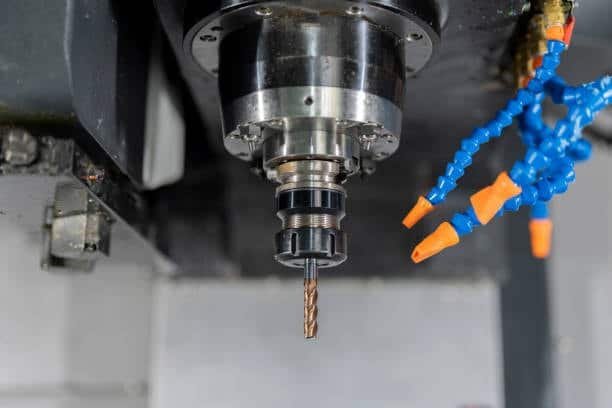
Spindle of a CNC machining center equipped with a high-precision drill bit
Blog

CNC Definition and Machining: A Deep Dive into Precision Manufacturing

As such CNC machining is a sophisticated form of manufacturing process that utilizes computers to control machines that cut and shape materials to exceptional standards of precision. CNC machines come in many forms ranging from milling machines, to lathes, routers, EDM machines, and grinding machines with specific applications among industries, tailored for various cnc machining materials . CNC machining has a lot of advantages including, high precision, automation, and variety, and thus an important tool in manufacturing complex and high- grade parts. Although difficult, CNC machining is still one of the most effective and dependable forms of contemporary manufacture.

Besides, with the development of technology, CNC machining keeps developing with such improvements as multi-axis, real-time monitoring, and adaptive control systems that make it even more efficient and effective. Despite the level of initial investment and complexity of setup, the long-term benefits, such as reduced waste and reduced labor costs in various machining operations , as well as scalable production, make CNC machining a preferred way for small-scale custom work, as well as industrial construction. Its uniqueness of precision, repeatability and adaptability of cnc systems makes CNC machining an unvanquished power in the tomorrow of world production.
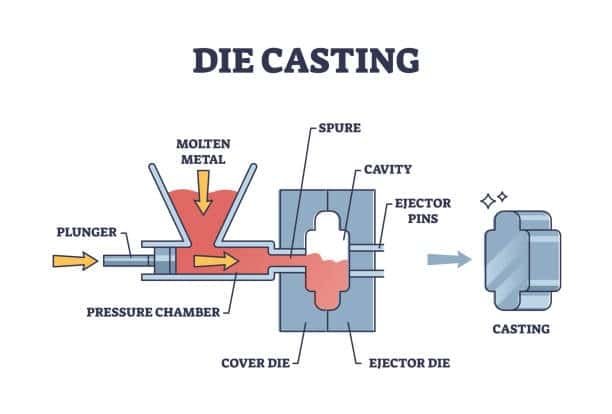

Visual diagram showing molten metal injection in the die casting process with labeled components
Blog

Die Casting Dies: The Essential Tool for Precision Metal Casting

Overall die casting dies are important tools for this process, which is used to ensure a good quality of molten metal formed to the exact shape of needed parts. Depending on the choice of dies such as hot chamber, cold chamber, and semi-solid dies, manufacturers can choose the most suitable one for the type of matter and the kind of application. The material used, tool steel, high-speed steel, or stainless steel, makes all the difference for the die’s quality and durability. With an understanding of the design considerations as well as good maintenance, manufacturers can engineer an efficient die casting process and obtain consistent good quality results.

In addition, the advancements made on die casting die technology also keep on enhancing the efficiency and capability of the process so that a very complicated and precise die casting part can be achieved. Computer-aided design (CAD) and simulation tools let an engineer optimize the geometry of die, cooling and material flow before manufacturing to eliminate error and time in development. By combining these modern techniques with proper selection of materials and maintenance practices, manufacturers can be more productive with lower costs and excellent part performance, to flexibly address the changing needs of industries such as automotive to aerospace and electronics.

Color-modified HDPE granules tested for temperature behavior in lab conditions
Blog

High-Density Polyethylene (HDPE) Melting Temperature: Understanding the Key Thermal Property

In recap, High-Density Polyethylene (HDPE) has a melting temperature lying in between 130°C and 137°C, creating the conditions for a number of heat resistant uses. The melting temperature dictates processing means, such as injection molding and extrusion, as well as performance of the material in fungible end use products, including food packaging . By considering such factors as molecular structure, additives and processing conditions, designers and manufacturers are able to implement a cost-effective and practical method of production for HDPE that also will provide satisfactory product performance at the anticipated temperatures.

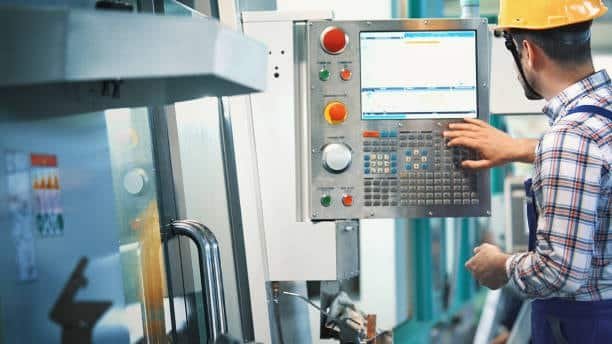
CNC operator interacting with control panel to input commands and monitor machine operations in a manufacturing facility
Blog

Types of Computer Numerical Control (CNC): A Comprehensive Overview

In other words, various kinds of Computer Numerical Control (CNC) machines play various roles in modern production. There are various types of cnc machine type, these include: CNC milling machines and lathes, routers, plasma cutters, EDM machines and laser cutters among many others all with different benefits to use for particular materials and tasks. The evolution of CNC technology, including cnc waterjet, has put industries in a position to produce components with high levels of precision and efficiency, including the use of waterjet cnc machine technologies. to the point that it has become an indispensible machine for manufacturing complex and intricate parts within a wide range of industries.

Every CNC machine type is designed for particular manufacturing purposes- CNC milling machines and lathes are among the most popular cnc machines for shaping metal and plastic parts, whereas routers are best in cutting softer materials, such as wood and composites. Light-weight plasma cutters and laser cutters are the best where accuracy is needed to cut large pieces of metal with minor heating distortion, and the Electrical Discharge Machines (EDM) are indispensable in the creation of detailed shapes out of hard materials that are difficult to machine using traditional set ups. This variety, as well as the constant improvements in CNC software and hardware, has revolutionized production by providing faster production cycles, reducing the human error, and helping to design highly complex multi axis machines including the continuous path cnc system, which could only have been dreamt of before due to the huge costs of developing them.

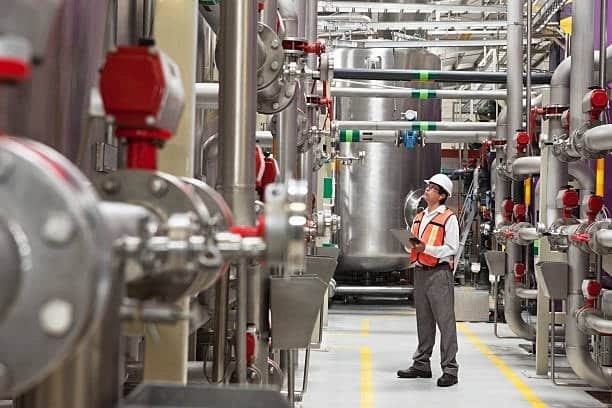
Industrial quality control engineer conducting inspection rounds among automated process equipment and tanks
Blog

Quality Control Machinery: Ensuring Precision and Consistency in Manufacturing

To draw a conclusion, the employ of quality control machinery in manufacture is absolutely necessary for creating and keeping standards of precision, efficiency and safety high. Such technologies as CMM machines, laser measuring systems, vision systems and ultrasonic testing are allowing manufacturers to obtain the tools for carrying out precise inspections, often requiring knowledge and training for employees with at least a high school diploma for proper maintenance and to maintain high standards. . and paving a career path in quality control management . and check for defects in real time. With the introduction of such advanced machines into production lines manufacturers are able to manufacture quality and reliable products that will meet customer expectations and industry standards in medical device manufacturing.

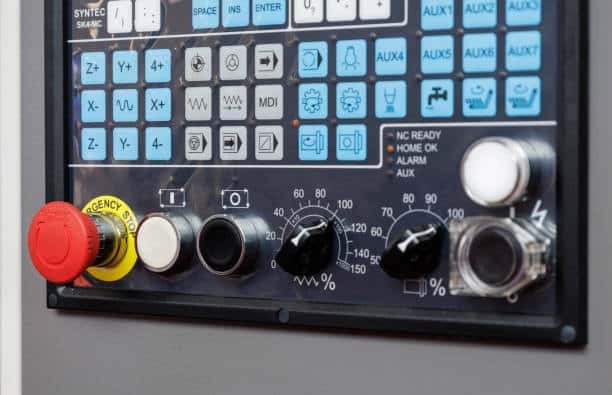
Image of a CNC control panel with a digital display, various buttons labeled Z, Y, X, and auxiliary functions, plus an emergency stop button, speed adjustment dials, and status indicators.
Blog

Turning On CNC: A Comprehensive Guide to Setting Up and Operating CNC Turning Machines

In short, switching on a CNC turning machine is a series of well-executed stages which include machines preparation, tooling inspection, powering the system, homing the machine and setting the offsets. By taking these steps, manufacturers can give themselves a good chance of making parts accurately with very little chance of making some mistakes or damaging either the machine or the work piece. CNC turning is still one of the most versatile and precise processes of machining with ample potential for the modern manufacturing processes.

In other words, when it comes to turning on a CNC turning machine, a set of well-performed stages follows, namely the preparation step, tooling inspection, power up of the system, homing the machine, and setting offsets necessary. By adhering to these crucial steps, manufacturers drastically enhance the possibility of making accurate, high –quality parts and also vastly reducing the potential for errors and accidental damage to both the machine and the workpiece. The constancy in terms of setup and operation guarantees not only safer workflows, but also superior outcomes in terms of repeatability in production. CNC turning remains to be among the most diverse and accurate machining processes providing great value and prospects for the modern manufacturing settings that expect speed, accuracy, and dependability.

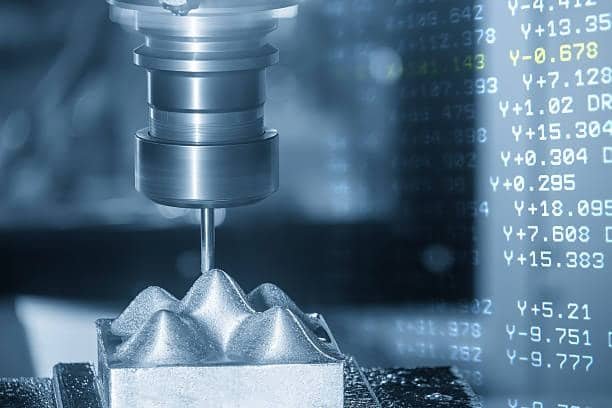
CNC milling machine cutting a patterned metal surface with G-Code coordinate commands overlaid digitally
Blog

G-Code Programming: The Language of CNC Machines

In a nutshell, G-code programming is an important language with regard to programming CNC machines. It enables manufacturers to automate the machining processes including g code file m05 spindle control and line number gain precision in production process, while being consistent in the production process. While a strong understanding of machine operations and programming is needed, by providing much needed control to manufacture parts, G-code is indispensable in industries like automotive, aerospace and medical device manufacturing in creating high-quality parts.

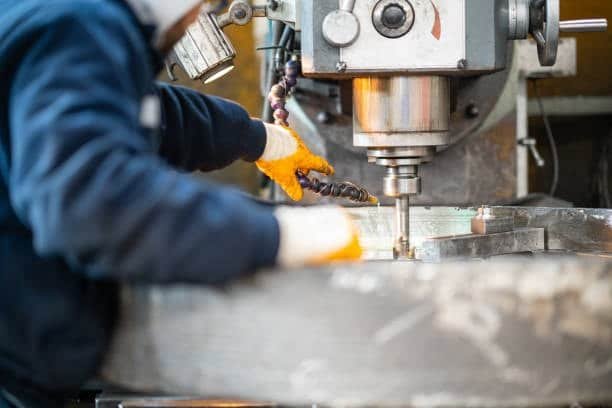
Operator working with a vertical milling machine in a workshop
Blog

Milling Machine: A Crucial Tool in Modern Manufacturing

Basically, a milling machine is useful for precise production of different parts with detailed designs. Instead of vertical methods, using horizontal mills and CNC machines has flipped the way parts are made in different areas of industry. Mill machines, including fixed bed milling machines, are valued for their precise results, variety in what they produce and the quality of the top layer of products. Because of the consistent changes in technology, milling machines are the key to good and efficient production.

Milling machines will evolve in diagnostics, routine maintenance and development thanks to AI, IoT and automation. With production now requiring quick results and complicated shapes in many fields, milling machines are upgraded to address these needs. Continuing to move forward keeps advanced milling machines efficient and allows them to develop greener and improved product production.

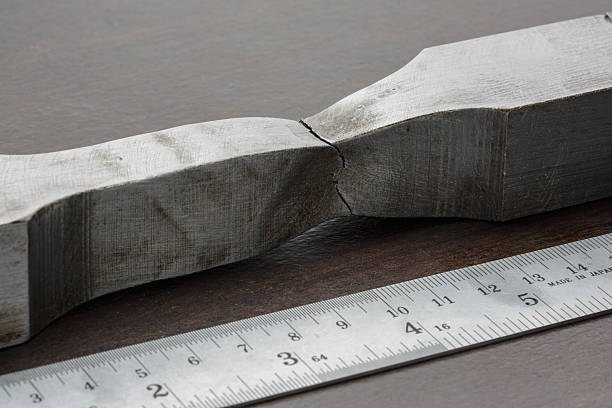
Broken metal specimen with visible fracture for measurement
Blog

Tool Radius Compensation: Enhancing Precision in CNC Machining

To sum up , tool radius compensation is an essential feature of CNC It increases precision, compensates for tool attrition, and provides flexibility of tool selection. While for example, it does bring some additional complexities to programming, the tools of the radius compensation and tool compensation provide better part accuracy, reduced programming errors, and thus they become an indispensible part of the modern manufacturing business. Through understanding and proper implementation of tool radius compensation manufacturers can produce superior, more consistent things at their machining processes.

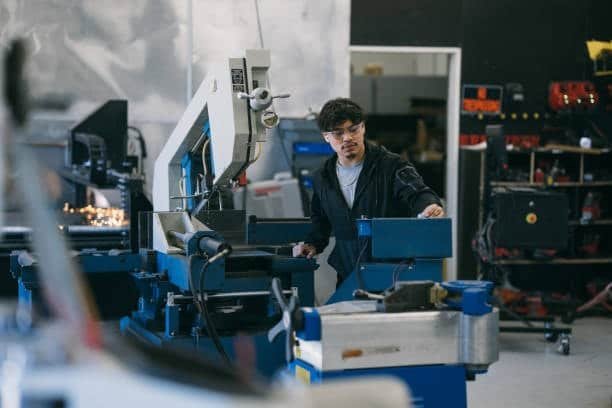
Swiss screw machine technician operating industrial equipment
Blog

Automotive CNC Machining: Precision and Innovation in Vehicle Manufacturing

Its advantages, precision, material flexibility and process efficiency, make it the choice method for creating engine pieces, custom parts and ad hoc parts. Despite high installation expenses and wear and tear of devices, particularly with steel alloys, CNC machining has not lost its edge and remains a powerful and essential technology to further the business of automotive manufacturers’ automobile manufacturing. Its capacity to hold tight tolerances, as well as complex geometries, continues to fuel new improvements for vehicle performance, safety, and design. Electric and hybrid cars present new engineering problems to be solved; CNC machining is indispensable for such components as battery housings, lightweight frames, and accurate drivetrain elements. With the steady evolution of tooling, software integration, and automation, CNC technology stands to serve as a staple of the contemporary automotive manufacturing for years to come.

滚动至顶部