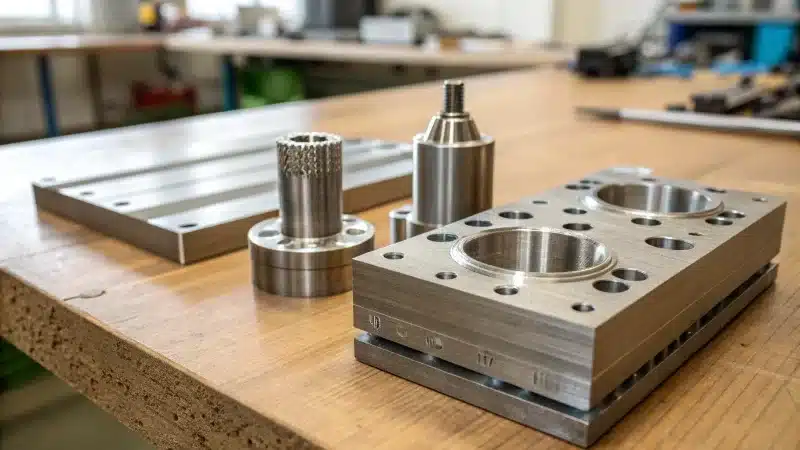
Tolerances play a key role in precision mold manufacturing as they determine how precise and reliable a given mold will be in creating components as well as determining how parts (both initial fit and wear resistance) would be. Excessive tolerance specification on the other hand, tends to cause excessive complexity and cost increase at the expense of proportionate benefits such as machining errors or material stresses. Most buyers will automatically think that tight tolerances imply high quality when in reality tight tolerances that are unneeded add to cost and risk with no benefit to performance.
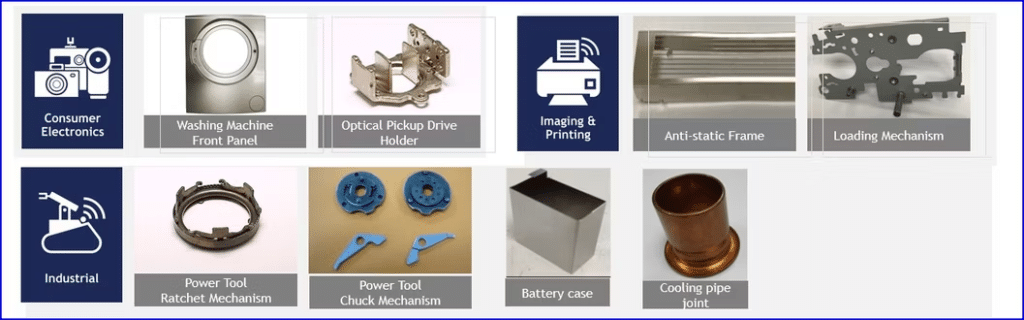
Precision mold manufacturing He must specify tolerances in relation to functions and stability needs – not to arbitrary strictness. There is a balance between functional requirement, machining ability, and durability in effective toleration of mold manufacturing. Tommy, you can find out yourself that, due to decades of tooling advisory, I have observed the rational tolerance choices to avoid all these pitfalls, so that the molds produce uniform output without overworking the process.
Why Tolerances Are the Foundation of Precision Mold Manufacturing
Tolerances are the fundamentals of precision mold manufacture since they directly regulate the manner in which the mold responds to the stresses of operation, which can be thermal or pressure changes. Even high-end materials cannot be accurate across cycles even without proper control.
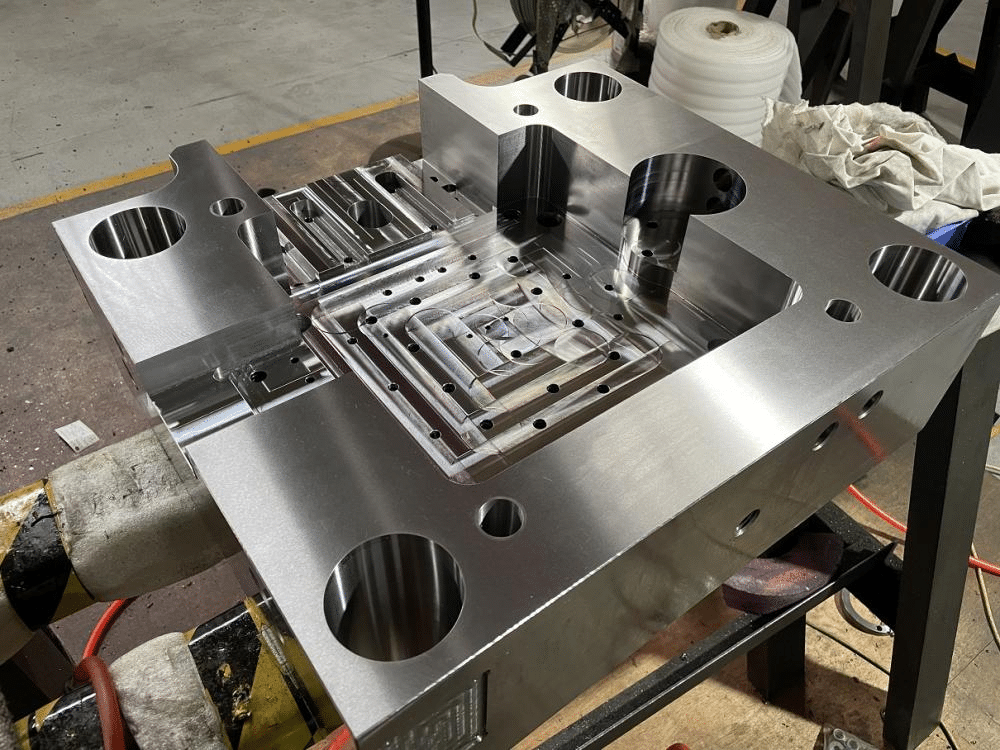
Relationship Between Tolerance Control and Mold Behavior
This is important because nominal accuracy (measuring drawings at rest) and repeatable accuracy (measuring performance in production) are not the same: what appears impressively high on nominal specifications may fail to be repeatable in the actual work environment because of such factors as vibration or heat.
Nominal vs. Repeatable Accuracy
To achieve strong results in the field of precision mold manufacturing services, attention should be paid to this balance, and tolerances that promote the manufacturing of molds maintenance in the course of the lifecycle should also be considered.
Functional Tolerances vs Nominal Tolerances
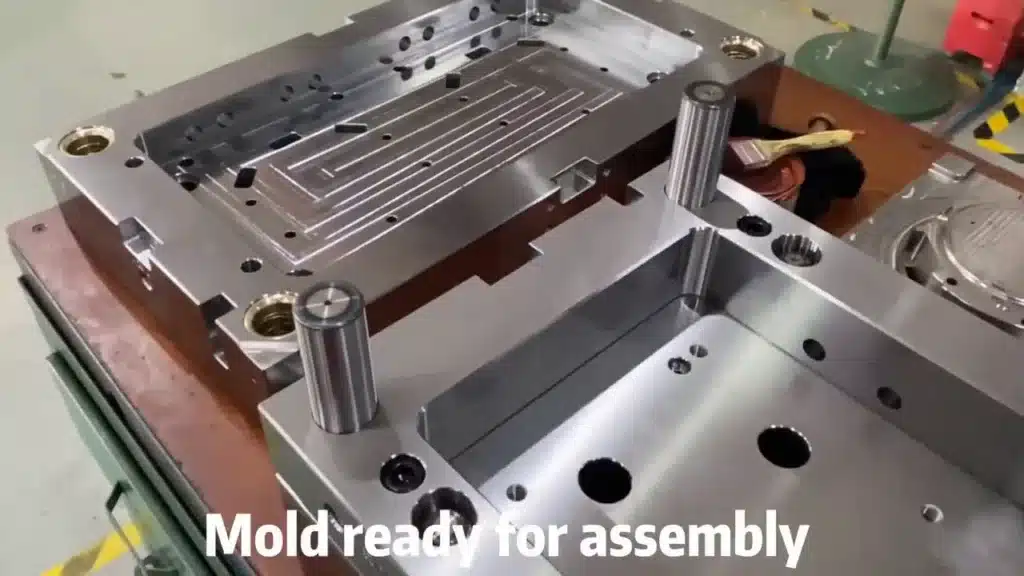
Functional tolerances are those dimensional limits that have a direct effect on the performance of the mold, e.g., proper ejection, proper flow, etc., must not be defect-free, and not blanket specs. All characteristics of molds are not equally important to the performance of the part, some of the most critical are cavity walls, where a tighter specification is necessary, whereas non-contact surfaces can tolerate looser specification to maximize efficiency.
What Functional Tolerances Mean
Such a selective strategy avoids over-engineering, in which unneeded accuracy on secondary aspects adds costs but no value.
Unequal Impact of Mold Features
Precision mold making fundamentals help in making a distinction between them precision mold making fundamentals and improved precision mold tolerances in design.
Where Achievable Tolerances Come From in Practice
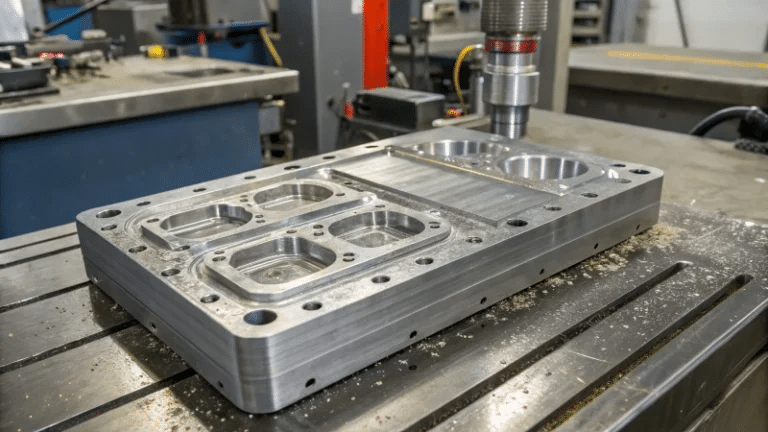
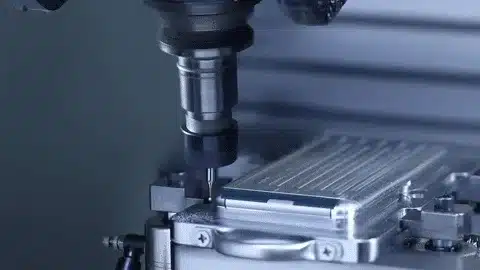
Adequately low tolerances in the production of molds are the result of the natural strengths of machining operations, material peculiarities, and environmental measures, and not of a supposed ideal. Process capability of machining raises realistic limits – high speed CNC may reach the mark of ±0.005 mm consistently, but influences such as tool deflection diminish this in complicated shape.
Role of Machining Process Capability
The difference between the theoretical tolerances (those that the software forecasts) and practical ones (those that are made in the shop floor) is due to real variables such as machine calibration or skill of the operator.
Theoretical vs. Achievable Tolerances
Depending on the CNC machining tolerance capability, specs are made within reasonable achievable limits and it does not require reworking on specs that can be made achievable.
| Process | Typical Achievable Tolerance | Stability Consideration |
| CNC milling | ±0.01–0.02 mm | Tool wear |
| EDM | ±0.005–0.01 mm | Electrode condition |
| Grinding | ±0.002–0.005 mm | Thermal control |
The following table indicates process specific ranges with the major focus on factors of stability in the key tolerances in the production of precision molds.
Common Tolerance Problems in Mold Components
Stack-up effects usually cause common tolerance problems with each variance adding up, making parts of the components such as cores and cavities not fit correctly or at all during assembly. This is worsened by premature wear which causes degradation to rise rapidly under cyclic loading due to loose tolerances.
Tolerance Stack-Up Issues
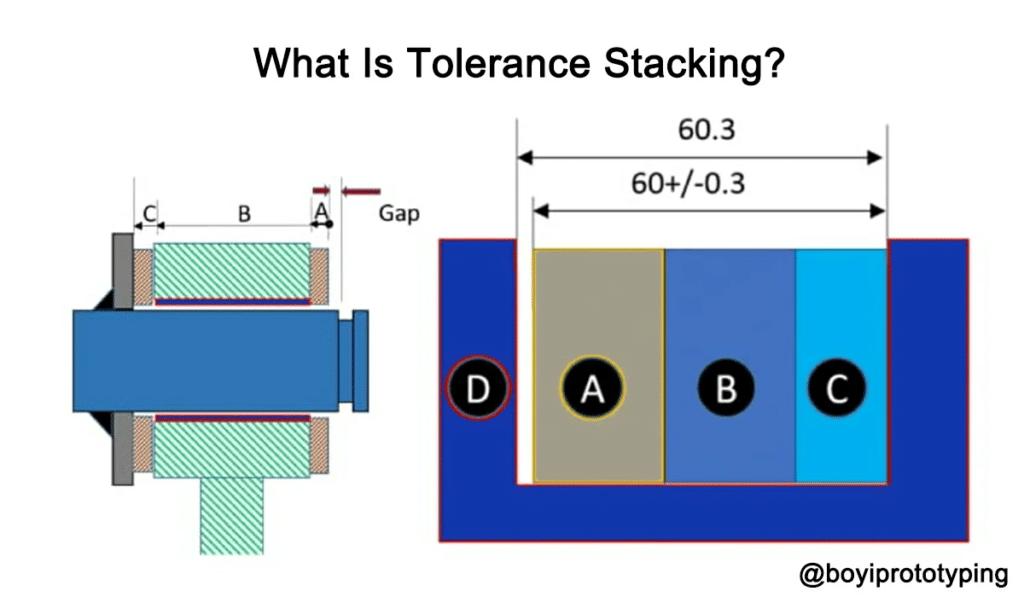
The causes of fit failures or premature wear include the neglected interactions, like thermal mismatch of the materials.
Components Failing to Fit or Wear Prematurely
These tolerance stack-ups in molds common tolerance problems in mold components are prevented by analysis of common tolerance problems in mold components.
How Tolerance Decisions Affect Part Quality and Manufacturing Cost
Tolerance decisions also have a major impact on the costs of manufacturing, since a more rigorous specification translates to slower machining feeds and Machining passes, as well as inspection, such as verification by CMM. These burdens are minimised with the quality being attained with the help of looser and rational tolerances.
Tolerance Choices Driving Machining and Inspection
Redunduces tolerances increase the risk of defects since the more machines are pushed to the edge, the more errors can occur due to vibration or heat.
Tolerance and Defect Risk Relationship
These trade-offs in mold tolerance control tolerance impact on part quality and cost can be seen in evaluating the effect of tolerance on part quality and cost.
| Tolerance Level | Manufacturing Cost | Risk Level |
| Function-driven | Controlled | Low |
| Over-specified | High | Medium |
| Uncontrolled | Unpredictable | High |
This is a table that reveals the relationship between levels and impacts and makes cost-effective decisions.
Tolerance Control and Long-Term Part Consistency
The long-term consistency is compromised by toleration drift which permits gradual shifts of dimensions with wear resulting in a variable part output between runs of production. The direct relationship between the dimensional variation and the wear of moulds is that, with the eroded surfaces, the fill patterns or ejection forces are changed.
Tolerance Drift Affecting Consistency
To cope with this, it is necessary to use materials and designs that are not easily degraded to assure a stable performance.
Mold Wear and Dimensional Variation
Adopting effective tolerance control and part consistency traditions tolerance control and part consistency will maintain the efficiency of accuracy mold tolerances.
How OEMs Should Specify Mold Tolerances Rationally
OEMs are recommended to define tolerances, by distinguishing between critical and non-critical features (critical features such as gating, non-critical features such as cosmetic edges) and value-adding precision. Coherence in communication of functional intent Unambiguous expression of functional purpose, by commenting on drawings, aids the alignment of toolmakers.
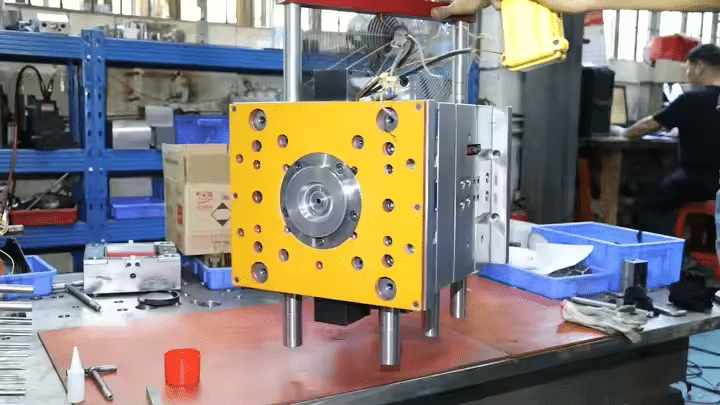
Differentiating Critical vs. Non-Critical Features
Defensive stacking should be avoided, in which tolerances are overrestricted in order to work on the safe side because it adds unnecessary cost to the process.
Communicating Functional Intent
Avoiding Defensive Tolerance Stacking
| Question | Purpose |
| Does this feature affect function? | Define criticality |
| Is the tolerance achievable? | Avoid rework |
| Is long-term stability required? | Prevent drift |
This checklist assists rational specification, which helps to increase the level of mold tolerance.
Common Misunderstandings About Tolerances in Mold Manufacturing
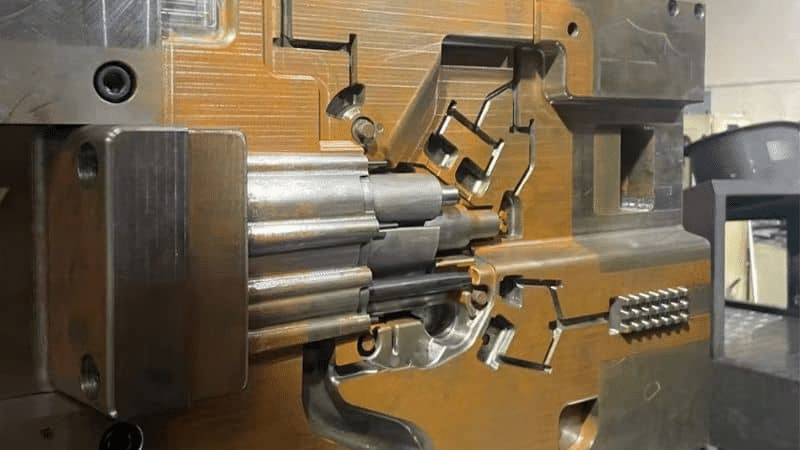
A common misconception is that the narrower the tolerances, and the lesser the introduction of brittleness or increased failure without benefit of gain, the better. Machining is not unlimited – a process has practical limits beyond which it becomes of poor quality.
Tighter Is Always Better Myth
Preliminary verifications are not a stable guarantee after a long period of time, since wear and environmental conditions change after validation.
Machining Hitting Any Tolerance Fallacy
Initial Inspection Guarantees Long-Term Myth
Such misconceptions are cause of poor decisions with major tolerances in precision mold making.
Conclusion — Precision Comes From Controlled Tolerances
Finally, precision in the manufacture of molds depends on the perception of tolerances as part of a controlled system, in which specifications are intentional, practical, and in the long term. This practical thinking prevents the traps of extremes and is aimed at the balance of needs and opportunities to provide regular cost-effective outcomes. Engaging more in functional-based decision-making, engineers have the ability to create molds that are functional and reliable to reduce risks and create the most value in the long term.